
Overview
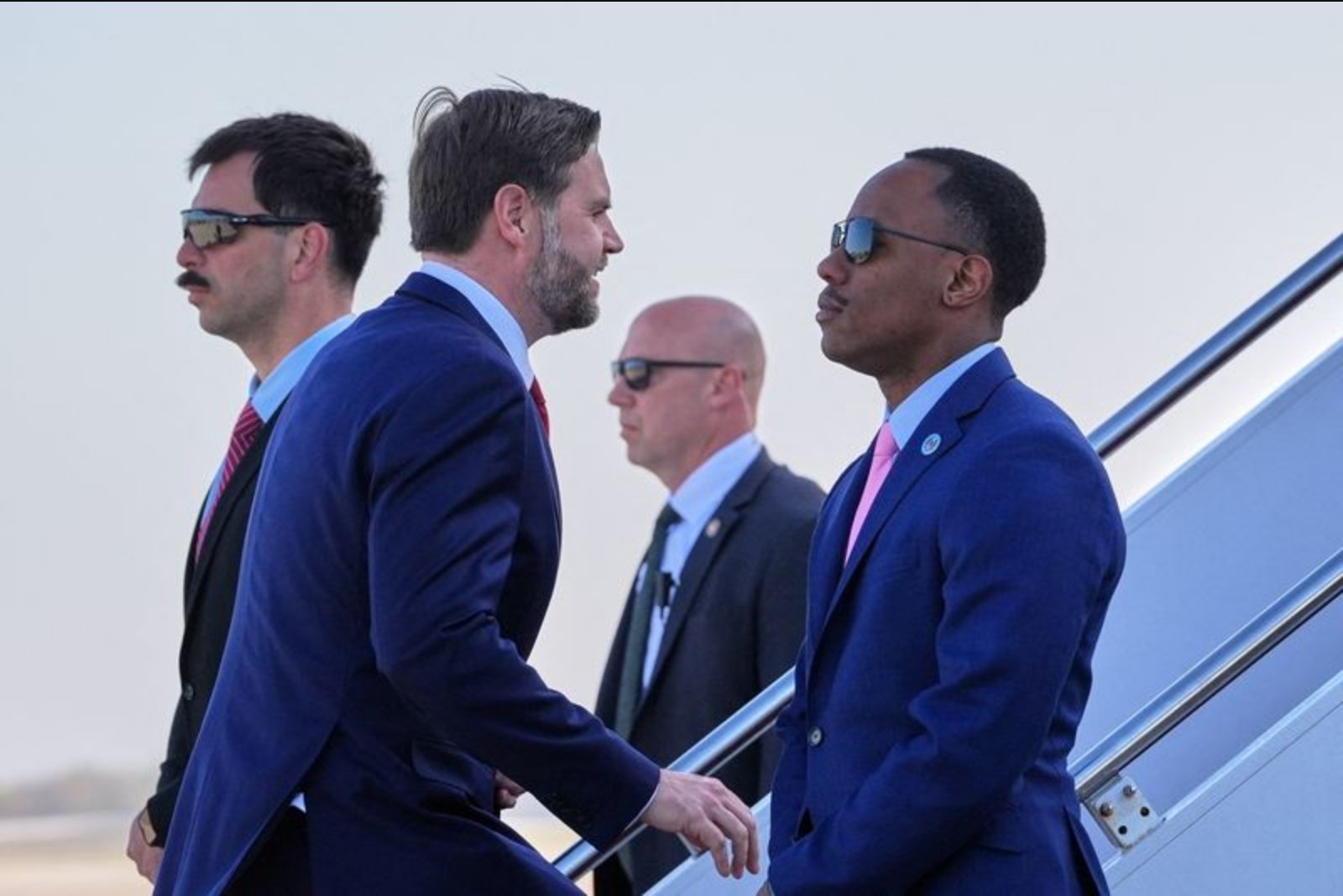
On April 10 a U.S. delegation led by Vice President JD Vance flew to Islamabad for weekend talks with Iran, despite sharp mutual accusations that each side has failed to uphold commitments tied to a temporary ceasefire. The trip, which includes President Donald Trump’s special envoy Steve Witkoff and Jared Kushner, represents a high-level engagement in an effort to stabilize a tense regional situation. However, White House officials said they were doubtful the talks could immediately reopen the Strait of Hormuz, a critical maritime chokepoint for global energy flows.
Iran’s conditions and claims
Iran’s lead negotiators have cast doubt on whether the discussions could begin at all unless the United States and other parties make firm commitments on two central issues: the campaign in Lebanon and sanctions relief. Iranian parliament speaker Mohammad Baqer Qalibaf and Foreign Minister Abbas Araqchi insisted the ceasefire must explicitly include Israel’s assault on Hezbollah in Lebanon and require the release of Iranian assets currently constrained by sanctions. How Islamabad and Washington will respond to those demands was not clear, leaving the status of the Saturday talks in question.
Significance of the meeting
If the meetings proceed, they would mark the highest-level contact between the United States and Iran since the 1979 Islamic Revolution, which ushered in decades of adversarial relations. The delegation’s arrival in Pakistan comes as the country’s capital was placed under an unprecedented security lockdown, with thousands of paramilitary and army personnel deployed on the streets. Pakistani officials have signaled a desire to enhance their role as a mediator while projecting internal stability.
Conflict context and consequences
The conflict that began in late February has left Iran materially weakened but still able to strike neighboring countries and disrupt maritime traffic through the Strait of Hormuz. The fighting has produced the largest oil supply shock on record, according to the assessments described by officials cited in the talks, harming Gulf energy production and prompting concerns about inflation, food insecurity, and the possibility of a global recession. The temporary pause in hostilities was announced by President Trump on Tuesday, hours ahead of a deadline after which he had warned of far more severe consequences for Iran.
White House stance and internal mood
Administration officials described a skeptical atmosphere inside the White House ahead of the Islamabad meetings. Two senior U.S. officials, speaking on condition of anonymity, said the president has come to accept that reopening the Strait of Hormuz may not be straightforward even if the talks yield some progress. They also expressed uncertainty about whether Iran’s negotiating team possessed the authority to reach binding commitments, noting that some in the administration view Abbas Araqchi as a weak interlocutor for those reasons.
Vance, who has relatively limited foreign policy experience and has been critical of U.S. interventions overseas, said before departing Washington that the U.S. intended to "extend the open hand" but would need to determine whether Iran would negotiate in good faith.
Lebanon, Hezbollah and ongoing violence
Iran has made clear that it sees any ceasefire as necessarily linked to events in Lebanon, where Israel has been conducting operations against Hezbollah, an ally of Tehran. Both Tehran and mediator Pakistan have said they interpreted the temporary pause to include the conflict in Lebanon. Israel initially resisted pausing its assault and on Wednesday launched a wave of strikes that authorities said killed more than 250 people. President Trump urged Israeli Prime Minister Benjamin Netanyahu in a phone call to reduce the intensity of attacks on Hezbollah, according to a source familiar with the call. Netanyahu later agreed to hold talks scheduled in Washington next week.
Proposals show wide gaps
Both Washington and Tehran have circulated multi-point plans to serve as the basis for negotiations, but officials noted little overlap between the two. President Trump indicated that an Iranian proposal would be the foundation for the Islamabad discussions, even as observers pointed out that Tehran’s 10-point plan and the administration’s 15-point framework diverge on key demands. Iran’s document calls for major concessions, including the lifting of sanctions that have long constrained its economy and recognition of Tehran’s authority over the Strait of Hormuz - including the right to collect transit fees and to control access, an arrangement that would represent a significant shift in regional power.
By contrast, Washington’s agenda seeks far-reaching Iranian concessions: the relinquishment of enriched uranium stockpiles, a halt to further enrichment, the abandonment of certain missile capabilities, and an end to support for regional allies. The U.S. team is also expected to press for the release of Americans detained in Iran. At least six U.S. citizens are held there, including jeweler Kamran Hekmati and journalist Reza Valizadeh.
Warnings of renewed escalation
Barbara Leaf, a former assistant secretary of state overseeing the Middle East, warned of a "very high risk of return to escalation" between Washington and Tehran. She noted that the Trump administration is acutely aware of domestic economic pressures stemming from disruptions to energy supplies and rising U.S. gasoline prices. "Time is not on the administration’s side," she said, and suggested that the Iranian government’s apparent confidence is partly rooted in those timing dynamics. Leaf added that Tehran’s posture carries a measure of swagger that is not entirely unfounded.
The outcome of the Islamabad discussions remains uncertain. Iranian preconditions, marked differences between the two sides' proposals, questions about negotiating authority, and the immediate humanitarian and economic impacts of the conflict all underscore the fragile nature of the current pause and of any diplomatic progress.