
Market reaction
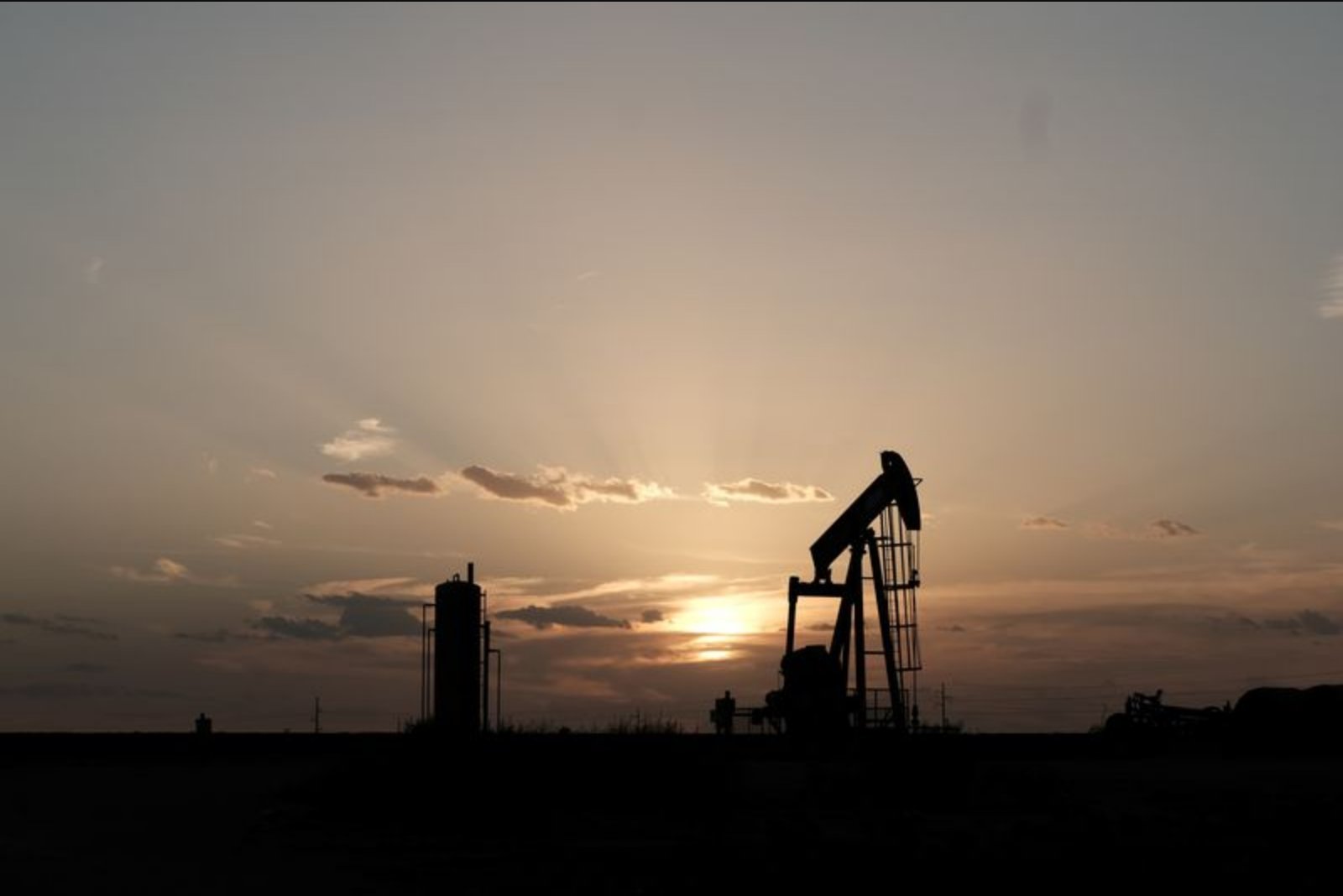
U.S. oil prices firmed in early trading on Thursday, reclaiming a portion of losses recorded the day before as investors parsed developments in the Middle East that could ease disruptions to Gulf energy flows. At the open, U.S. West Texas Intermediate crude futures rose by more than $1 to $91.42 a barrel and were trading 93 cents, or 1%, higher at $91.25 a barrel as of 2225 GMT.
That followed a 2.2% decline for WTI on Wednesday, a move traders attributed to shifting assessments of the regional security outlook.
Diplomatic signals from Tehran
An Iranian senior official said on Wednesday that Tehran is still reviewing a U.S. proposal intended to end the conflict in the Gulf despite initially responding negatively, a stance that suggests the proposal has not been rejected outright. The apparent hold on issuing a formal response after Pakistan delivered a 15-point proposal on Washington's behalf was read by some observers as an indication that at least certain figures within Iran may be giving the plan further consideration.
U.S. posture and Iranian public statements
The White House press secretary, Karoline Leavitt, stated that the U.S. President would impose stiffer measures on Iran if Tehran fails to acknowledge that it has been "defeated militarily." Public comments from Iranian officials have, meanwhile, derided the idea of negotiating with the Trump administration.
Implications for energy flows
Market participants continued to focus on the potential for a reduction in the risk premium attached to Gulf supplies if diplomatic engagement leads to de-escalation, while also factoring in the possibility of renewed tension should talks falter or rhetoric escalate.
Outlook
Prices in the near term are likely to remain sensitive to any concrete signals from Tehran about the proposal and to statements from U.S. officials. The pause in a formal Iranian response, together with public rejectionary rhetoric, leaves the path forward uncertain and keeps markets alert to both diplomatic and military developments.