
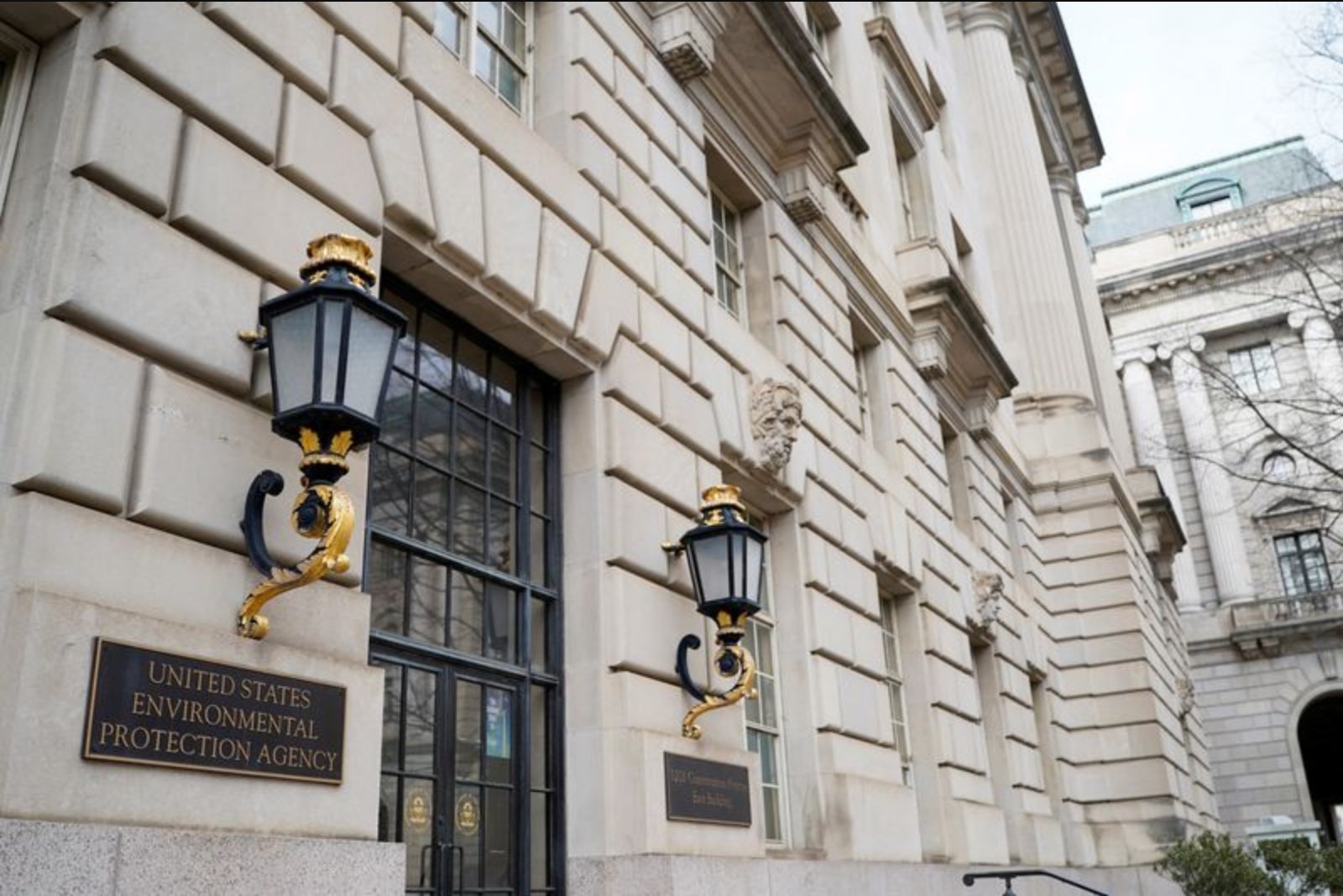
The U.S. Environmental Protection Agency and the Department of Health and Human Services said on Thursday they will begin monitoring the presence and effects of microplastics and pharmaceuticals in drinking water, stepping into what they described as an initial phase for evaluating potential health risks and informing future policy.
Under the plan, the EPA will add microplastics and pharmaceuticals to the sixth Contaminant Candidate List. Inclusion on the list means these contaminants will be subject to monitoring and testing under the Safe Drinking Water Act and will receive federal funding for related research. The agencies said such monitoring and research are precursors to any regulatory action that might follow if the substances are determined to pose a threat to public water systems.
The announcement drew public endorsement from EPA Administrator Lee Zeldin and Health Secretary Robert F. Kennedy, Jr., who framed the development as consistent with President Donald Trump’s "Make America Healthy Again" agenda. That agenda has signaled priorities which have included proposals to reduce the number of recommended childhood vaccines and to promote whole foods within future dietary guidance.
Administrator Zeldin issued a statement highlighting the significance of the move. He said that by adding microplastics and pharmaceuticals to the Contaminant Candidate List for the first time, the agency intends to follow the science, pursue answers, and uphold rigorous standards to protect the health of American families. The EPA also said it will publish human health benchmarks for 374 pharmaceuticals that will be part of the monitoring program.
The decision follows pressure from a coalition of state officials and advocacy groups. Late last year, seven U.S. governors from states that include New Jersey and Michigan, together with 175 environmental and health organizations, filed a legal petition urging the EPA to add microplastics to the list of contaminants to be monitored. The Contaminant Candidate List is updated every five years.
Microplastics are tiny fragments of plastic detected in environments ranging from drinking water systems to deep ocean and Arctic ice. The announcement noted that some scientific studies have linked microplastics to cancers and reproductive harm, although the agencies emphasized that the monitoring step is intended to better define any risks.
Pharmaceuticals reach water supplies through improper disposal and via human waste. The agencies’ planned benchmarks and monitoring are intended to clarify the presence and potential health implications of a broad set of drug compounds in drinking water.
The agencies’ actions have drawn mixed reactions. Some supporters of the policy shift portrayed it as an important move to protect public health. At the same time, EPA and Administrator Zeldin have faced criticism from activists aligned with the Make America Healthy Again platform for not doing enough on issues including microplastics and for declining to impose stricter pesticide rules.
Political context was also highlighted in the announcement. Supporters of Robert F. Kennedy, Jr. and the MAHA platform played a role in the 2024 election that brought President Trump to office. Kennedy, who ran for the 2024 Democratic presidential nomination, had made tackling plastic pollution, including plastic production, a campaign pledge before later endorsing the Republican candidate. The Trump administration last year cautioned countries against supporting efforts to cap plastic production under a prospective U.N. treaty focused on limiting plastic pollution.
Officials framed the monitoring plan as a methodical, evidence-driven first step. The agencies did not announce any immediate regulatory changes tied to this action. They said the monitoring, research funding, and new health benchmarks will inform whether subsequent regulatory measures are necessary to protect public water systems.
As the monitoring process begins, stakeholders across public health, municipal water utilities, and sectors connected to plastics and pharmaceuticals will be watching for data and guidance that could affect future compliance obligations and policy debates.