
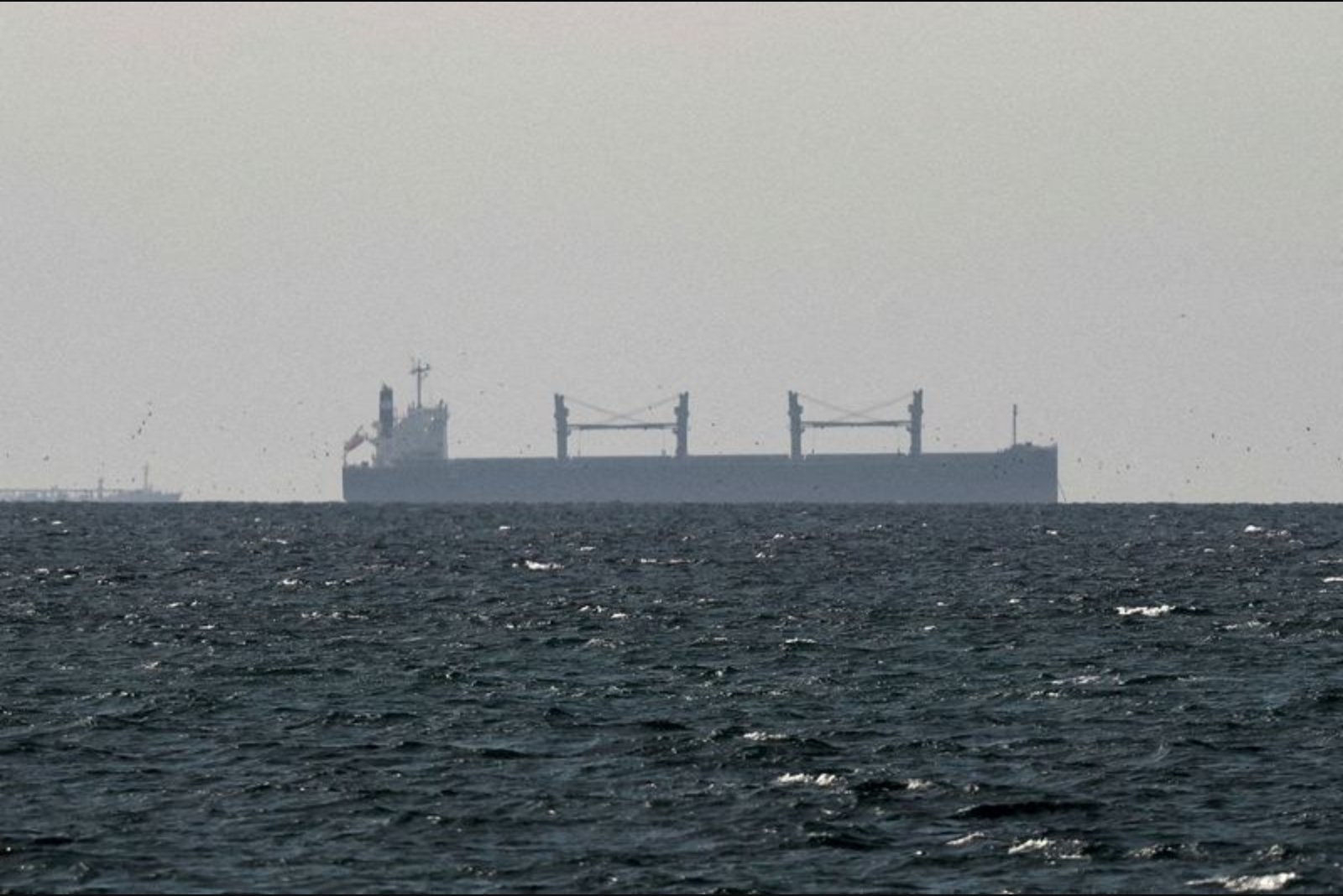
April 2 - The U.N. Security Council has scheduled a vote on a resolution put forward by Bahrain intended to protect commercial vessels operating in and near the Strait of Hormuz, diplomats said. The 15-member council will meet and vote on Saturday morning, a change from an earlier plan to meet on Friday because Friday is a U.N. holiday.
The draft resolution, finalized by Bahrain with backing from other Gulf Arab states and Washington, would authorize "all defensive means necessary" to protect commercial shipping. Diplomatic sources said the authorization would extend "for a period of at least six months ... and until such time as the council decides otherwise." The text examined by diplomats reflects an effort to create a time-limited mandate tied to Security Council oversight.
China has signalled firm opposition to any clause that would authorize the use of force. In comments to the Security Council, China’s U.N. envoy Fu Cong said authorizing force would be "legitimizing the unlawful and indiscriminate use of force, which would inevitably lead to further escalation of the situation and lead to serious consequences."
Bahrain, which currently chairs the Security Council, has argued the resolution is necessary because Iran’s actions to try to control international navigation in the Strait of Hormuz are "unlawful and unjustified" and pose a threat to global interests, according to remarks by Bahrain’s Foreign Minister Abdullatif bin Rashid Al Zayani to the council. Al Zayani told members he hoped for a "unified position from this esteemed council."
Diplomats said Bahrain had initially removed an explicit reference to binding enforcement from earlier drafts in an attempt to address objections from other council members, notably Russia and China. A fourth draft of the resolution was placed under a so-called silence procedure for approval until Thursday noon (1600 GMT), but a Western diplomatic source said the silence had been broken by China, France and Russia. After further work, diplomats said a text was finalized or "put in blue," clearing the way for a vote.
The Security Council’s voting rules require at least nine affirmative votes and no vetoes from any of the five permanent members - Britain, China, France, Russia and the United States - for a resolution to pass. Those procedural and political dynamics will determine whether the draft becomes an instrument of international backing for protective measures around the strait.
Observers in the council have noted external activity and regional reactions in recent days. The secretary-general of the League of Arab States, Ahmed Aboul Gheit, informed the Security Council that the League supports Bahrain’s effort to secure the resolution. Britain hosted a meeting attended by more than 40 countries to discuss reopening and ensuring safe passage through the Strait of Hormuz and also expressed support for Bahrain’s initiative at the Security Council.
Those diplomatic moves come after a surge in oil prices since the United States and Israel struck Iran at the end of February, an exchange that has set off a conflict lasting more than a month and that diplomats say has effectively closed the key shipping artery. Concern about commercial traffic and energy market disruption has driven countries to explore international responses.
On Wednesday, U.S. President Donald Trump pledged to continue attacks, but did not set out a plan to re-open the strait. That statement, diplomats said, contributed to further upward pressure on oil prices by raising questions about who would take a leading role in ensuring safe passage for merchant vessels through the waterway.
Summary and context within the council
The Bahrain-sponsored text seeks a temporary mandate to allow defensive measures to protect shipping. While several Gulf states and Western nations support the initiative, dissent from a permanent council member - China - and the breaking of the silence procedure by multiple members indicate the vote will be contested and that the draft may not secure the unanimity Bahrain has been seeking.
Next steps
The council will proceed with the scheduled Saturday vote. Given the presence of permanent members with veto power and the divisions signalled during the drafting and silence procedure, the outcome is uncertain and will depend on whether the required nine votes in favour can be secured without a veto.