
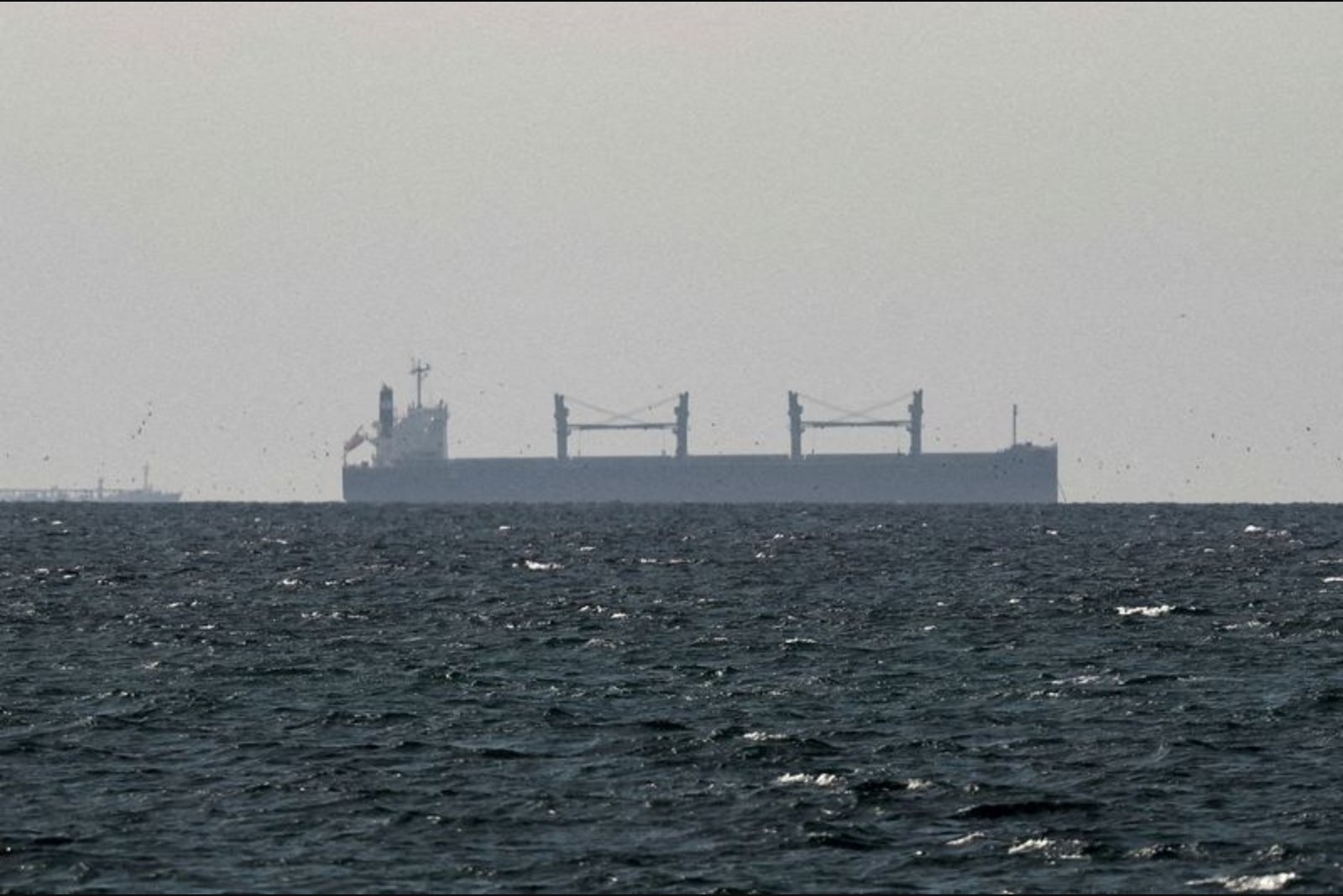
Britain will convene a virtual meeting on Thursday to probe coordinated approaches to restoring freedom of navigation in the Strait of Hormuz, a crucial shipping channel that has effectively been shut down by Iran, officials said.
British foreign minister Yvette Cooper will chair the session, expected to include about 35 countries - among them France, Germany, Italy, Canada and the United Arab Emirates - and is scheduled to begin around midday in London. The United States is not due to attend the meeting.
The talks come after U.S. President Donald Trump said during an address on Wednesday evening that the Strait could open "naturally" and argued that it was the responsibility of the nations relying on the waterway to ensure it was open. In that address, he urged other users of the Strait to "build up some delayed courage" and "just grab it", adding: "Just take it, protect it, use it for yourselves."
Officials involved in the planning say reopening the waterway has risen to the top of many governments' immediate priorities as global energy prices climb. The Strait of Hormuz carries about a fifth of the world’s total oil consumption and has been effectively closed by Iran in retaliation for U.S.-Israeli strikes which began in late February.
British Prime Minister Keir Starmer framed the meeting as an initial assessment of "all viable diplomatic and political measures" to restore freedom of navigation in the area, noting that such efforts would come after a ceasefire has been reached. Starmer cautioned that reopening the waterway would "not be easy" and would require "a united front of military strength and diplomatic activity" in parallel with engagement with the shipping industry.
European governments initially resisted President Trump's request that they dispatch their navies to the area, citing concerns about being dragged into the conflict. Still, rising energy costs and their potential effect on the global economy have pushed those governments to pursue a coalition to examine options for reopening the Strait once a ceasefire is in place, according to European officials.
Thursday's gathering will be the group's first formal meeting. European officials said it will be followed in the coming weeks by more detailed discussions involving military planners. One European official outlined what is expected to be a phased approach: an initial phase focused on clearing the waterway of mines, followed by a second phase aimed at protecting tankers transiting the area.
The priorities discussed at the meeting - diplomatic measures, mine clearance and tanker protection - directly implicate the shipping industry and the energy sector because of the Strait's role in global oil flows. Officials stressed that coordination will need to bridge political, military and commercial stakeholders if the waterway is to be made safe for transit.
At the time of the meeting announcement, the United States was not scheduled to participate, a decision that officials say will shape the nature of the coalition under discussion.
The meeting is presented by the United Kingdom as a first step toward a wider, structured effort. Further sessions with military planners are expected to follow, as participating countries seek to translate diplomatic intent into operational plans for mine clearance and tanker protection once the conditions for a reopening - including a ceasefire - are met.
"All viable diplomatic and political measures" - Keir Starmer
"Not be easy" and require "a united front of military strength and diplomatic activity" - Keir Starmer
"Build up some delayed courage" and "just grab it"; "Just take it, protect it, use it for yourselves" - Donald Trump