
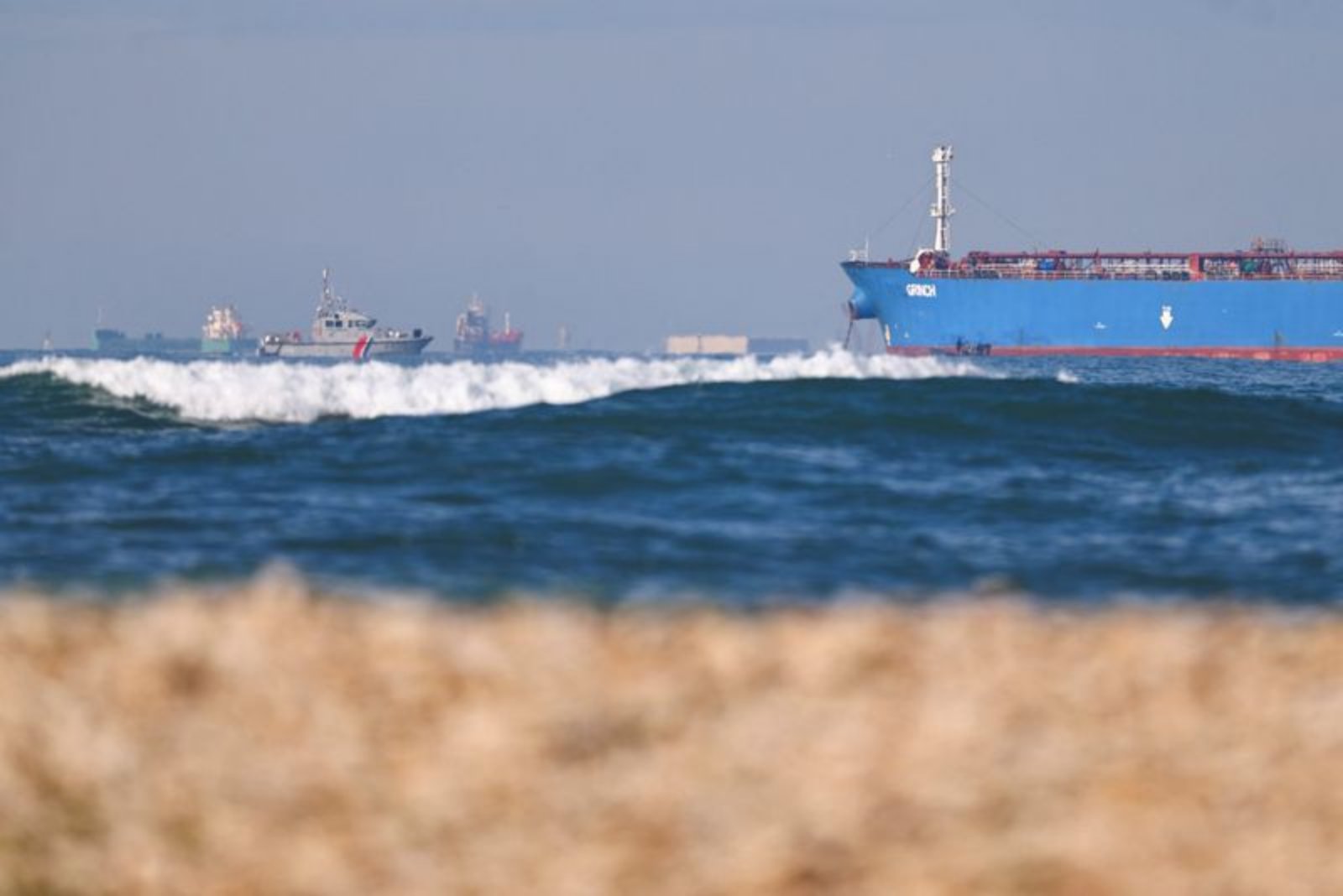
British Prime Minister Keir Starmer announced on Wednesday that he has authorised the use of military personnel to board and detain Russian-flagged ships his administration alleges are part of a network allowing Moscow to continue exporting oil despite Western sanctions. The decision arrives as other European governments intensify attempts to disrupt what officials call Russia's "shadow fleet" of tankers.
Starmer said he approved stepped-up operations against those vessels because Russian President Vladimir Putin was likely "rubbing his hands" at a sharp rise in oil prices, a rise the government attributed to the U.S.-Israel war against Iran. In a written statement, he said:
"That’s why we’re going after his shadow fleet even harder, not just keeping Britain safe but starving Putin’s war machine of the dirty profits that fund his barbaric campaign in Ukraine,"
Downing Street said British military and law enforcement agencies have been preparing to board Russian vessels that refuse to surrender, are armed, or employ sophisticated surveillance systems intended to hinder capture. Officials said that once such ships are boarded, criminal charges could be pursued against owners, operators and crew for alleged breaches of sanctions legislation.
According to the government, Russia's reliance on this shadow fleet has enabled continued oil exports without adhering to Western restrictions introduced after its full-scale invasion of Ukraine in 2022. The UK government said recent European efforts to keep pressure on Moscow were complicated this month when the administration of U.S. President Donald Trump issued a 30-day waiver allowing countries to purchase sanctioned Russian products that were stuck at sea, a move described as aimed at stabilising global energy markets unsettled by the war in Iran.
Starmer made the announcement ahead of his departure for the Joint Expeditionary Force Summit in Helsinki, where Britain intends to press for closer coordination among participating countries on the seizure of suspected shadow fleet tankers. The government has imposed sanctions on 544 vessels it identifies as part of that fleet.
The shadow fleet sometimes transits the Channel, the waterway separating Britain and France, the government noted. Britain estimates that roughly three-quarters of Russia's crude oil is transported on these vessels. The fleet is typically characterised by opaque ownership structures, according to ministers, and many of the ships are poorly regulated and ageing.
Those characteristics have raised environmental concerns. Officials warn that ageing, insufficiently regulated tankers are more prone to spills, mechanical failures and leaks, posing risks to marine ecosystems.
Summary
Prime Minister Keir Starmer has authorised military boarding and detention of Russian tankers alleged to be part of a shadow fleet that helps Moscow export oil around sanctions. The move is intended to disrupt financing for Russia's military campaign in Ukraine and follows complications from a temporary U.S. waiver on stranded Russian products. The British government has sanctioned 544 shadow fleet vessels and plans to seek greater international coordination on seizures.
Key points
- UK authorises military boarding of Russian vessels accused of skirting sanctions - sectors affected: energy, shipping and defence.
- Britain has sanctioned 544 shadow fleet vessels and estimates these ships carry about three-quarters of Russia's crude - sectors affected: oil markets, marine transport.
- Announcement precedes calls for coordinated action at the Joint Expeditionary Force Summit in Helsinki - sector affected: international security cooperation.
Risks and uncertainties
- Market instability: a sharp rise in oil prices linked by the government to the U.S.-Israel war against Iran could complicate enforcement and global energy markets - sectors affected: energy and financial markets.
- Legal and operational challenges: vessels that are armed, refuse to surrender, or use advanced surveillance create enforcement risks and could lead to complex criminal proceedings - sectors affected: maritime enforcement and legal services.
- Environmental threats: reliance on poorly regulated, ageing tankers raises the risk of spills, mechanical failures and leaks, threatening marine ecosystems - sectors affected: shipping and environmental management.