
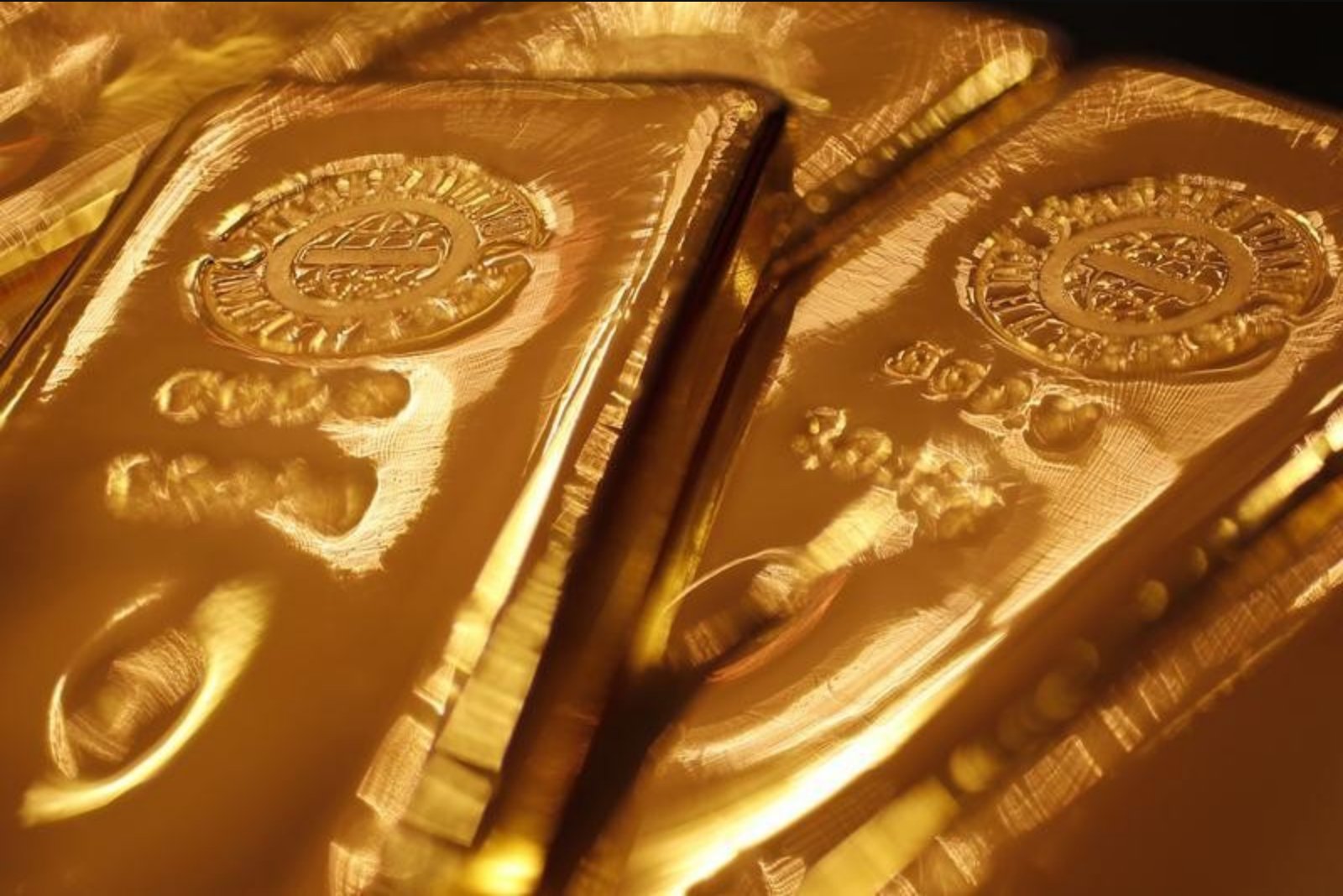
UBS has reaffirmed its positive outlook on gold, projecting new record levels for the metal this year even after recent price weakness, the bank's strategist Joni Teves said in a Thursday note.
Markets have recently focused on the inflationary implications of higher oil prices and the potential for further interest rate increases, dynamics that have pushed U.S. real yields higher and strengthened the dollar - factors that weighed on gold.
Despite those pressures, UBS views recent pullbacks as buying moments. "The risk that gold extends its bull run for a couple more years is rising. Weaker growth that triggers fiscal and/or monetary stimulus presents upside risks for gold," Teves wrote, framing the prospect of slower growth followed by policy easing as a key source of upside for the metal.
Teves kept UBS's core gold outlook intact. "Our gold outlook is unchanged and we maintain our view that gold should see new highs this year. We think any pullbacks present opportunities for investors to build positions," he added, emphasizing the bank's conviction even after the market retreat from the late-January peak.
UBS adjusted its 2026 gold forecast down to an average of $5,000 per ounce, a 4% reduction from a prior $5,200 estimate. The bank left its 2027 and 2028 projections unchanged at $4,800 and $4,250 per ounce, respectively. UBS said the 2026 revision reflects mark-to-market adjustments following the recent drop from the all-time high recorded in late January.
On positioning and flows, Teves noted that speculative longs have been pared back and that outflows from gold exchange-traded funds (ETFs) have been limited, creating room for rebuilds. In particular, gold ETFs in China have continued to register net inflows, and onshore physical demand has remained healthy. UBS said those dynamics could sustain strong import demand into the second quarter.
The bank described the market as underinvested and said it would treat any correction toward the $4,000 level as an opportunity to increase exposures. "There has been a structural shift in the gold market, wherein a widening base of private and public sector investors are viewing it as a long-term strategic asset that helps diversify and protect portfolios," the note said, framing gold's role as a strategic reserve and portfolio diversifier.
UBS also provided views on other precious metals. The bank trimmed its 2026 silver forecast to $91.9 per ounce from a prior $105, though it still expects silver to outperform gold during rallies. Teves cautioned that silver's industrial usage makes it vulnerable to any slowdown in global growth, which could weaken demand and weigh on sentiment.
Reflecting that sensitivity, UBS said the gold-to-silver ratio "is likely to struggle to retest the lows earlier this year," and suggested the ratio may only find a bottom in the 50-60 range rather than revisiting the roughly 40 level seen earlier in the year.
Platinum and palladium are facing comparable challenges from softer industrial demand, UBS added, though both could receive support from supply-side concerns. Teves noted supply risks could be exacerbated "particularly if Middle East tensions disrupt South African mining operations," a scenario that could underpin prices despite demand headwinds.
Overall, UBS's note portrays a market where near-term macro forces - including higher real yields and a stronger dollar - have pressured precious metals, but where structural demand, ETF flows in China, and the potential for policy stimulus in a slowing growth environment keep upside risks intact. The bank's stance is to view dips as buying windows while acknowledging sensitivities across industrial-linked metals.