
Overview
U.S. President Donald Trump escalated rhetoric against Iran late on Thursday, warning that American forces would move to destroy bridges and electric power plants in the country. Posting on social media, he wrote that the U.S. military "hasn't even started destroying what's left in Iran. Bridges next, then Electric Power Plants," adding that Iran's leadership "knows what has to be done, and has to be done, FAST!"
Public statements and potential targets
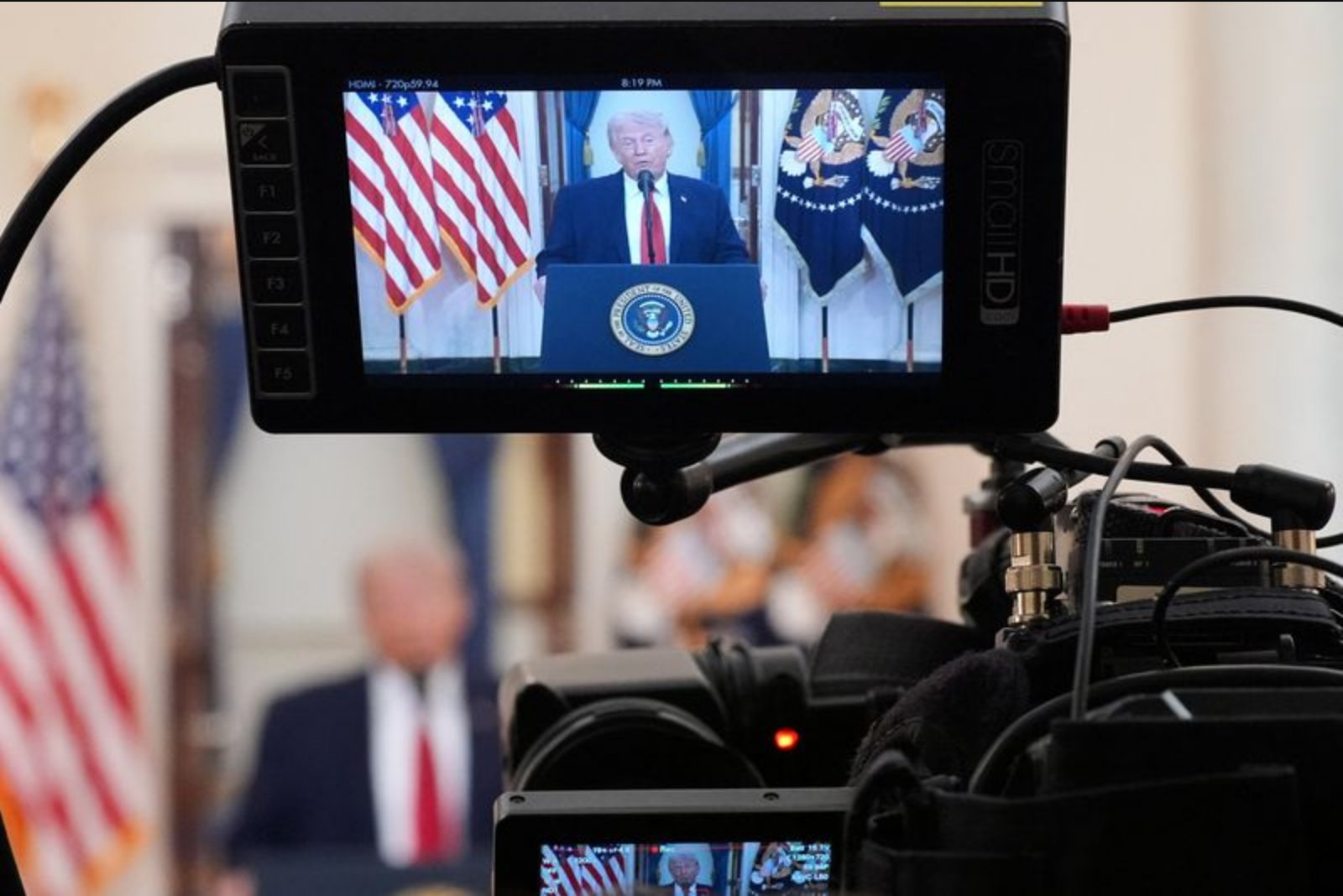
The president's remarks build on a televised speech given on Wednesday in which he said the war could intensify if Iran did not accede to Washington's demands. In that address he signalled that strikes on Iran's energy and oil infrastructure were possible. In the same speech he declared:
"We are going to hit them extremely hard over the next two to three weeks. We are going to bring them back to the Stone Ages, where they belong,"and said Washington was approaching the completion of its stated goals in Iran, while not offering a timeline for ending the war.
Legal concerns
Earlier on Thursday, an open letter signed by dozens of international law experts in the United States warned that U.S. strikes on Iran could amount to war crimes. The signatories pointed to the 1949 Geneva Conventions, which set rules for humanitarian conduct in armed conflict and prohibit attacks on sites considered essential for civilian survival. The conventions and additional protocols require parties to a conflict to distinguish between "civilian objects and military objectives," and forbid attacks on civilian objects.
Human and market impact of the conflict
The war began on February 28 when the U.S. and Israel attacked Iran. Tehran subsequently launched attacks on Israel and Gulf states that host U.S. bases. The fighting, which includes joint U.S.-Israeli strikes in Iran and Israeli attacks in Lebanon, has resulted in thousands of deaths and the displacement of millions of people.
Beyond the human toll, the conflict has pushed up oil prices and unsettled global markets. Observers and participants have noted that the unfolding events represent some of the largest U.S. military actions since the 2003 invasion of Iraq. Analysts and market participants have expressed concern that mixed and shifting messages from Washington have so far done little to reduce uncertainty around the course and scale of the campaign.
Outlook and uncertainties
The president's latest public comments underscore several open questions that remain central to both policy and market responses: how soon the proposed strikes on infrastructure would be carried out, how Iran will respond to any further escalation, and the timeline for concluding military objectives. The statements on targeting bridges and electric power plants also raise immediate legal and humanitarian questions, reflected in the concerns of international law experts.
Note: Where the available information is limited, this report reflects only the statements and facts presented publicly and does not speculate beyond those record items.