
President Donald Trump said the United States and Iran have been communicating "directly and indirectly" and characterized Iran’s new leaders as "very reasonable," comments that came as Pakistan said it was preparing to convene "meaningful talks" intended to halt a month-long war. Trump made his remarks on Sunday evening while returning to Washington aboard Air Force One.
"I think we’ll make a deal with them, I’m pretty sure, but it’s possible we won’t," Trump told reporters. He also said the U.S. had effectively achieved regime change in Tehran after an initial Israeli strike on February 28 killed Iran’s Supreme Leader Ayatollah Ali Khamenei and other senior officials. The supreme leader was replaced by his son, Mojtaba, and Trump repeated twice that the replacements appeared "reasonable."
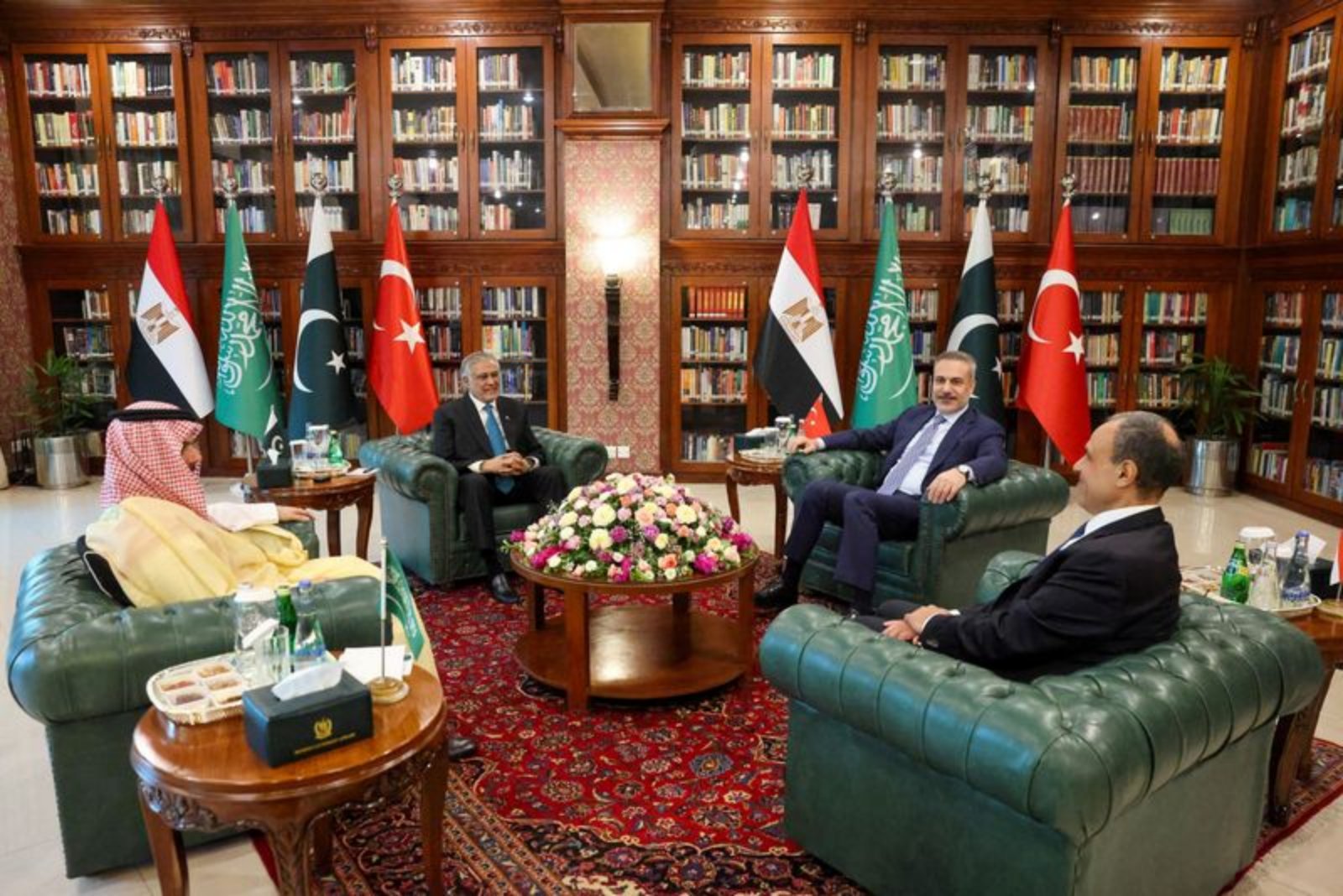
Pakistan, acting as an intermediary between Washington and Tehran, said its foreign ministers discussed ways to secure an early end to the conflict during regional talks on Sunday. Pakistani Foreign Minister Ishaq Dar said Islamabad would be "honoured to host and facilitate meaningful talks between the two sides in coming days, for a comprehensive and lasting settlement of the ongoing conflict." It was not clear whether both the U.S. and Iran had agreed to attend such meetings.
Iranian officials voiced skepticism about U.S. intentions. Mohammad Baqer Qalibaf, speaker of Iran’s parliament, accused the U.S. of sending negotiation signals while simultaneously preparing for a ground invasion, and warned Tehran was prepared to respond if U.S. forces were deployed. "As long as the Americans seek Iran’s surrender, our response is that we will never accept humiliation," he said in a message to the nation.
Military activity in the region has continued to escalate. The U.S. Department of Defense has sent thousands of troops to the Middle East, providing Washington with the option of a ground offensive. Several hundred special operations personnel also arrived recently, according to reports citing U.S. military officials, joining thousands of U.S. Marines that arrived on an amphibious assault ship on Friday as the first of two contingents.
U.S. media reporting has said the Pentagon is weighing military options that could include ground forces, though Trump has not approved any such plans, according to multiple news outlets. In a published interview, Trump said he wanted to "take the oil in Iran" and suggested the United States could seize Kharg Island, the main export hub. Kharg handles 90% of Iran’s oil exports and taking it would require ground forces, a move that would give the United States the ability to disrupt Iran’s energy trade and exert heavy pressure on Tehran’s economy.
Israel has continued offensive operations against targets inside Iran. Israeli forces described no intention to reduce strikes ahead of potential U.S.-Iran talks, and said they would keep targeting what they described as military sites. Israel’s military reported launching over 140 air strikes on central and western Iran, including strikes on Tehran, during the 24 hours to Sunday evening, saying the operations hit ballistic missile launch sites, storage facilities and other targets.
Iranian state media reported strikes on Mehrabad airport and a petrochemical plant in the northern city of Tabriz. Separately, a chemical plant in southern Israel near Beersheba was struck by a missile or missile debris as Israel defended against multiple salvos from Iran; authorities issued warnings to the public to avoid the area because of potential hazardous materials.
Iran’s effective blockade of the Strait of Hormuz, which carries 20% of global oil and gas shipments, has driven oil prices higher and amplified economic pain globally. Markets reflected rising concern about a sustained Gulf conflict. Stocks in Asia fell on Monday as investors prepared for a drawn-out confrontation that has pushed oil toward a record monthly increase, heightening the risk of higher inflation and recessionary pressures worldwide. Japan’s Nikkei index was down 4.7%.
Oil benchmarks extended gains amid the disruption. Brent crude futures rose $3.09, or 2.74%, to $115.66 a barrel by 2353 GMT after settling 4.2% higher on Friday, moving toward a record monthly increase.
Other regional developments have widened the theatre of conflict. Yemen’s Iran-aligned Houthi movement launched its first attacks on Israel on Saturday, elevating the prospect that the Bab el-Mandeb Strait could be targeted and therefore threatened as a second major shipping lane. Israeli authorities said they intercepted two drones launched from Yemen.
Domestic U.S. politics also figure into the strategic calculus. Polling and public opinion indicate a majority of Americans oppose the war; a further military escalation that risks a prolonged crisis could affect President Trump’s already low approval ratings ahead of November midterm congressional elections.
In parallel with battlefield developments, diplomatic channels remain active but uncertain. Pakistan’s offer to host talks underscores a regional push toward negotiating an end to hostilities, even as Tehran insists it will not accept humiliation and as military operations by Israel and troop deployments by the United States continue to intensify.
The situation remains fluid. High levels of military activity, competing public statements about negotiations and the strategic importance of Iran’s oil exports to global markets mean both diplomatic and economic consequences could unfold rapidly depending on decisions by the parties involved.
Summary
- President Trump said the U.S. and Iran have been meeting "directly and indirectly" and described Iran’s replacement leaders as "very reasonable."
- Pakistan said it is preparing to host "meaningful talks" aimed at ending the month-long war, though attendance by both the U.S. and Iran was not confirmed.
- Significant military activity continues: U.S. troop deployments have increased, Israel has carried out more than 140 air strikes in Iran in a 24-hour period, and Iran is effectively blocking the Strait of Hormuz.
Key points
- Diplomatic opening: Pakistan has offered to host talks between Washington and Tehran to seek a comprehensive settlement - potential impact on political dynamics and defense planning.
- Military escalation: U.S. troop reinforcements and extensive Israeli strikes across Iran raise the risk of broader conflict - implications for defense and security sectors.
- Energy market pressure: Iran’s blockade of the Strait of Hormuz and attacks on infrastructure have driven Brent crude prices higher - direct impact on oil markets, inflation, and global economic growth.
Risks and uncertainties
- Potential ground invasion or expanded troop commitments - could further destabilize the region and deepen impacts on defense spending and regional security.
- Continued disruption of shipping lanes, including the Strait of Hormuz and potential threats to Bab el-Mandeb - sustained supply shocks for oil and gas markets and higher energy prices.
- Uncertain participation in proposed talks - lack of confirmation that both Washington and Tehran will attend reduces near-term prospects for a negotiated settlement.