
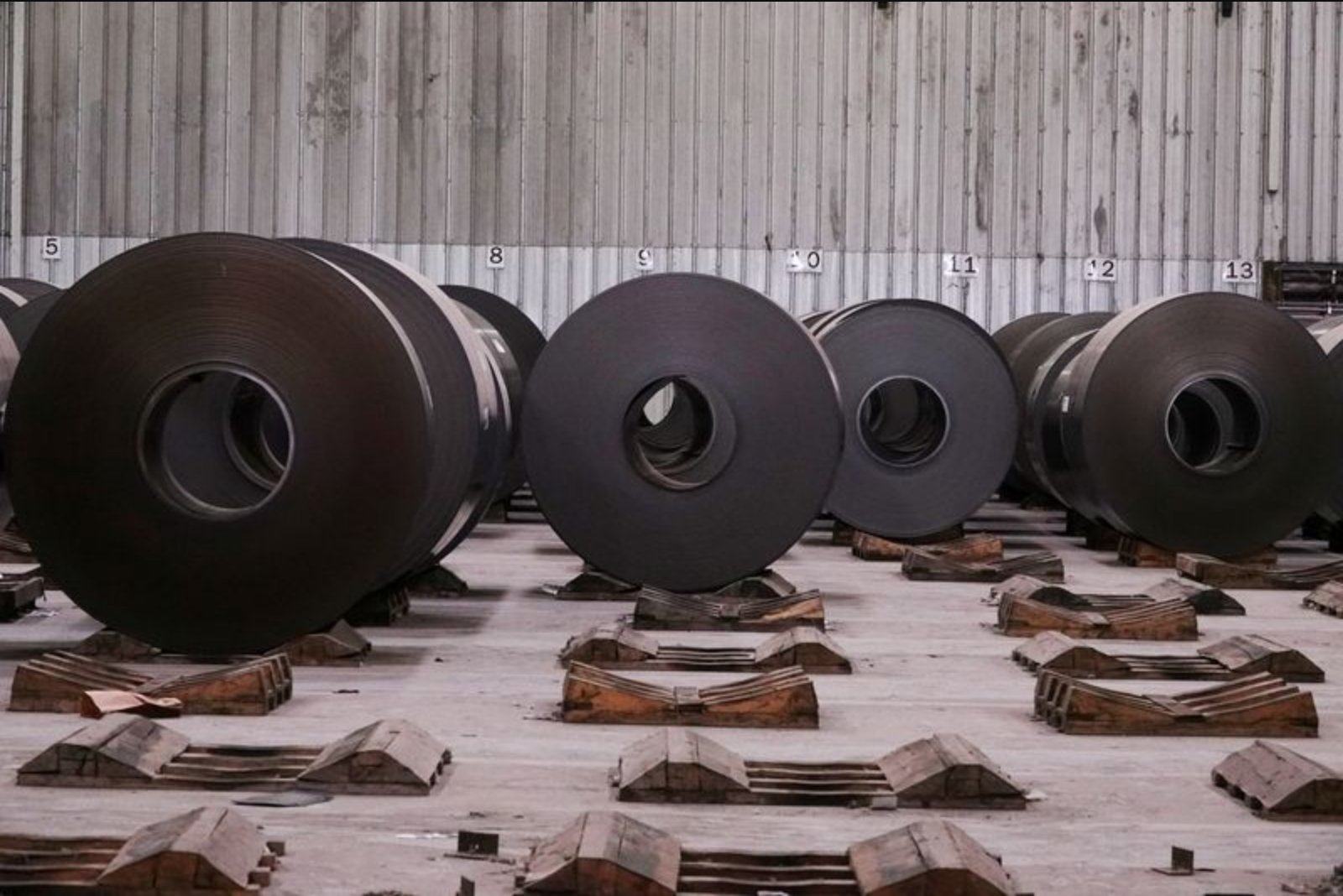
WASHINGTON, April 2 - President Donald Trump issued a proclamation on Thursday that adjusts how national security tariffs under Section 232 are applied to steel, aluminum and copper imports. The proclamation preserves a 50% tariff on commodity imports of those metals, but alters the tariff treatment of derivative products and how duties are calculated, according to a senior administration official.
Under the new guidance, the 50% tariff on commodity steel, aluminum and copper will remain in place. However, the administration said it will apply that rate to the prices actually paid by U.S. customers rather than an alternate import valuation. The official acknowledged that it was not immediately clear how the sales price - and the resulting tariff - would be determined.
The administration said some importers had been reporting artificially low import values in order to reduce their tariff burden, and the changes are designed in part to address that practice. The proclamation also introduces a simplified set of rules for derivative products made with these metals.
Key changes to the tariff regime
- The prior 50% duty on derivative products made with steel, aluminum or copper will be eliminated for products whose metal content is below 15% by weight. Examples cited by the official include items with minimal metal content such as a perfume bottle capped with aluminum or a dental floss container with a small steel cutting blade.
- Derivative products that contain more than 15% steel, aluminum or copper by weight will face a reduced flat tariff of 25%. That 25% rate will be applied to the full value of the imported product, not just the portion attributable to the metal content. The official used examples such as washing machines or gas ranges that are substantially made from steel to illustrate how the flat rate would work.
The administration characterized the package of changes as an effort to simplify what had become a complex tariff regime. Officials said importers and industry stakeholders had struggled to determine the metal component value for thousands of derivative products ranging from tractor parts to stainless steel sinks and railroad equipment.
"It is easier, it is simpler, it is more straightforward," the official said, noting that for many products the new treatment will lower tariff costs, while for some items it could raise them slightly. The administration reported that it had reviewed the revisions with industry and received positive feedback.
Economically, the official said the changes should not produce a material difference from the prior tariff regime. At the same time, by applying the 50% duty on the full sales value of commodity metal imports, the administration acknowledged there may be increased tariff revenue as a result.
The proclamation aims to reduce under-reporting of import values, simplify compliance for importers and customs authorities, and clarify the tariff obligations for products with varying metal content. How precisely the sales price basis will be calculated was left unspecified in the announcement.
Impacted sectors and market context
Manufacturing sectors that use steel, aluminum and copper in intermediate or finished products - from home appliances to machinery and rail equipment - will see clearer tariff rules. Importers that previously allocated value to non-metal components to lower duties may face changes in how tariffs are assessed. The administration indicated the adjustments were reviewed with industry participants and described initial feedback as positive.