
Overview
Western allies contemplating an operation to protect shipping through the Strait of Hormuz face a daunting precedent: a multi-national effort in the Red Sea that began earlier and ended with heavy costs, several vessels lost and a shipping industry that largely sidesteps the passage today. That experience, according to multiple maritime and security specialists, offers a cautionary tale for any similar approach in Hormuz, where threats come from Iran - a professional military force with more sophisticated capabilities than the Houthi militants that targeted vessels in the Red Sea.
Why the Red Sea experience matters
The intervening months of operations in the Red Sea resulted in significant expenditure and damage. Operators expended more than $1 billion worth of weapons while shooting down hundreds of missiles and drones. Despite those defensive efforts, Houthi forces sank four commercial ships between 2024 and 2025, and much of the shipping industry now avoids the corridor that once accounted for roughly 12% of world trade, choosing instead the long voyage around the Horn of Africa.
That outcome - heavy operational cost without reversing commercial avoidance - has become a reference point for planners and analysts assessing the feasibility and consequences of any expedition to reopen or protect the Strait of Hormuz.
The strategic stakes of Hormuz
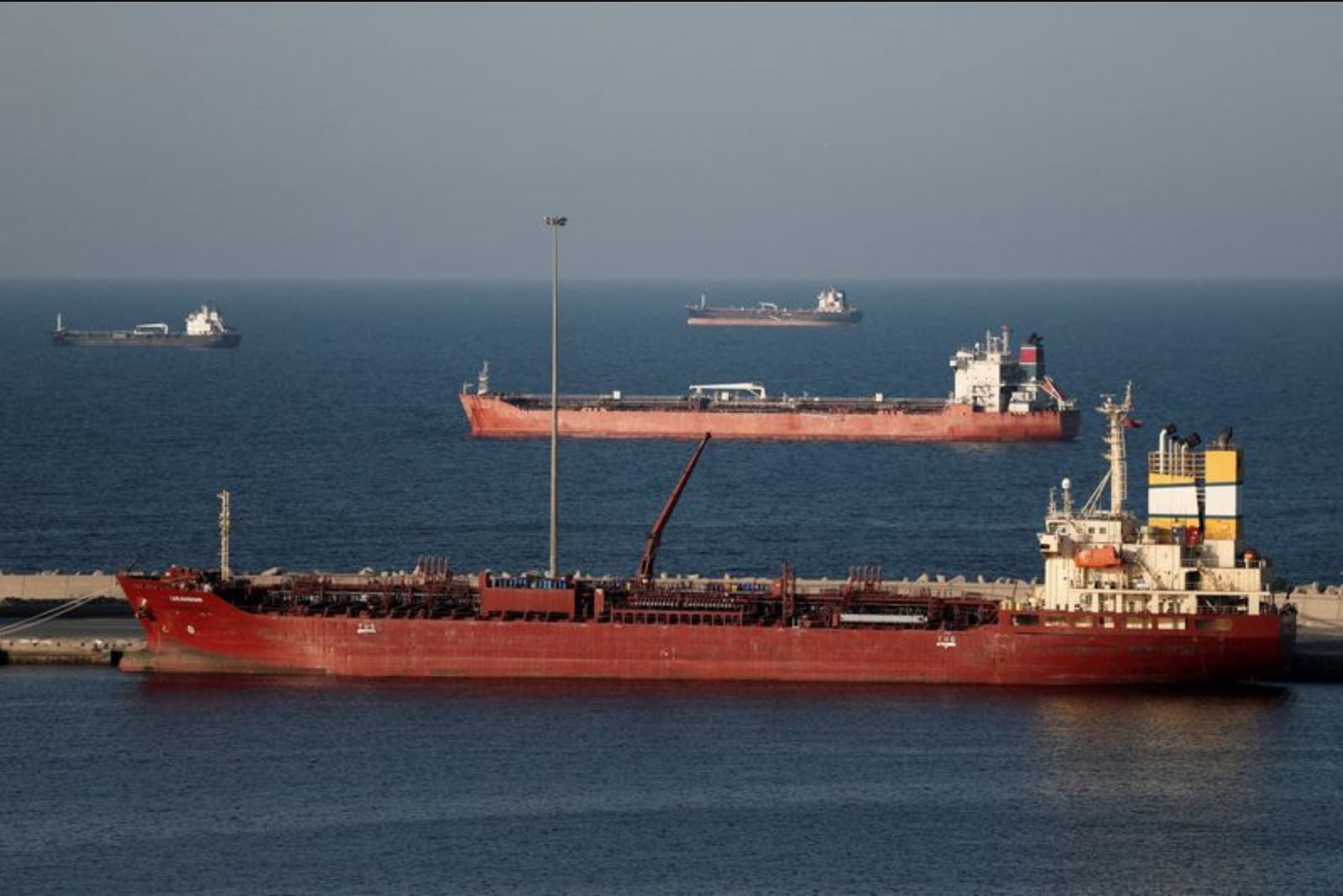
The Strait of Hormuz is materially different from the Bab el-Mandeb corridor at the entrance to the Red Sea. It channels about one fifth of global oil and liquefied natural gas shipments, making it central to global energy flows. Iranian threats to the strait and attacks on energy infrastructure in neighboring Gulf states have already driven oil prices sharply higher, creating what has been described as the most severe disruption to oil and gas supplies in history.
Commercial actors and national leaders have stressed the strait's unique importance. Kuwait Petroleum’s chief executive described the waterway as effectively a global strait under international law and practical necessity, underscoring the pressure on policymakers to find a route to reopen traffic and stabilize supplies.
Diplomatic and potential military responses
At the international level, diplomats on the U.N. Security Council have been negotiating language and options for protecting navigation. Some states, including Bahrain, have signaled support for strong language authorizing the use of "all necessary means" to secure the passage - a phrase that implies use of force if required.
Iran has restricted the movement of most ships through the chokepoint since joint U.S.-Israeli strikes on Iranian targets began on February 28. Iranian officials have also been reported to consider the idea of levying fees on vessels that seek to transit the strait, although the operational status and implications of such a measure remain in discussion.
Operational complexity compared with the Red Sea
Analysts and former military officers argue that defending convoy operations in the Strait of Hormuz would be substantially more challenging than similar work in the Red Sea. The danger area around Hormuz is estimated to be up to five times larger than the Houthi attack zone in the Bab el-Mandeb area. Iran’s Islamic Revolutionary Guard Corps (IRGC) functions as a professional military organization with dedicated weapons manufacturing, ready funding and extensive access to a rugged, steep coastline that places attackers close to shipping lanes.
Experts note several key operational challenges:
- Proximity of land-based launch sites: In many places along the Iranian coast, the shore comes close enough that drones or missile systems can reach transiting ships within five to 10 minutes, dramatically shortening response windows.
- Diverse and layered threats: Potential Iranian capabilities include low-cost drones, ballistic and cruise missiles, floating sea mines and even small crewed or uncrewed vessels carrying explosives. Analysts also note the possibility of suicide operations layered on top of missile and drone strikes.
- Mine and submerged threats: Sea mines and heavily armed mini-submarines are threats that U.S. forces did not confront in the Red Sea operation, complicating the mixture of tasks required to keep the waterway safe.
"Defending convoy operations in the Strait of Hormuz is significantly more challenging than in the Red Sea," said a retired U.S. rear admiral who participated in tanker escort operations during the 1980s. That assessment highlights the tactical difficulty of simultaneously countering missiles, drones, mines, swarming small-boat attacks and electronic disruption of navigation systems.
Force requirements and limits
Some military experts estimate that a credible escort force for the strait would require a mix of surface combatants, air assets and unmanned systems. For example, protecting the passage could demand as many as a dozen large warships such as destroyers, supplemented by air cover from jets, drones and helicopters. Those assets would be needed not only to intercept incoming missiles but also to sweep for mines, repel swarming fast-boat attacks and mitigate GPS jamming or other electronic warfare measures.
As one naval analyst group observed, "A destroyer can intercept missiles but cannot simultaneously sweep mines, counter drone-boat swarms from multiple bearings, and manage GPS disruption." This compartmentalization of capabilities means that a composite task force is necessary just to address the likely range of threats.
Hidden stockpiles and rapid attack timelines
Analysts believe IRGC fighters have missile and drone stockpiles concealed in structures and caverns along the extensive, rugged coastline. These dispersal and concealment practices make preemptive targeting and neutralization far more complicated. In some coastal sectors, a ship could be subject to an incoming swarm of drones or other weapons within minutes of an Iranian launch, compressing the window for detection, assessment and response.
"There are ballistic missiles, drones, floating mines and even if you were able to destroy those three capacities, there are suicide operations," said the director of a European institute focused on Middle Eastern studies, emphasizing the layered nature of the threat environment.
Potential human and material costs
Combat against these threats carries high stakes. A retired Royal Navy commander warned that the loss of a major warship in such an engagement would be a game-changer, noting the potential human toll of hundreds of sailors and the strategic recalibration that would follow. The scale of risk to personnel and platforms is therefore a central consideration for any country contemplating a major commitment of forces.
At the same time, U.S. defense officials have said there is no clear evidence that Iran has deployed mines in the strait at present, despite some reports alleging the presence of about a dozen mines. Statements from defense leadership reflect uncertainty around certain specific threats and the need for further verification.
Paths to reopening the waterway
Experts suggest that a combined campaign of mine clearance, persistent military escorts and extensive air patrols would eventually be needed to restore reliable commercial transit through the strait. Even then, the process could take many months to sufficiently reduce the IRGC threat such that shipowners and insurers consider the route acceptable again.
One specialist in autonomous warfare observed that sustained operations could slowly erode the IRGC’s capacity to interdict shipping, but cautioned that such work is time-consuming and resource-intensive.
Conclusion
Decision-makers weighing a multinational effort to reopen the Strait of Hormuz must balance the imperative of restoring a vital energy artery against the increased complexity and heightened risk posed by a state adversary with diverse offensive capabilities. The Red Sea operation against the Houthis demonstrated the limits of even well-resourced defensive campaigns: they can be expensive, operationally draining and still lead commercial operators to avoid affected sea lanes. In Hormuz, those challenges are magnified by the scale of commerce at stake and by an adversary with deeper military reach. Absent a durable path to reopen the strait, analysts warn that shortages in oil and gas will intensify, with reverberations for energy, food and other commodity prices worldwide.