
Commodities March 3, 2026

Tens of Thousands Seek Shelter in Lebanon as Cross-Border Fighting Intensifies

UN agencies report at least 30,000 displaced people in collective shelters, with more expected and children among the casualties

By Leila Farooq
Tens of Thousands Seek Shelter in Lebanon as Cross-Border Fighting Intensifies

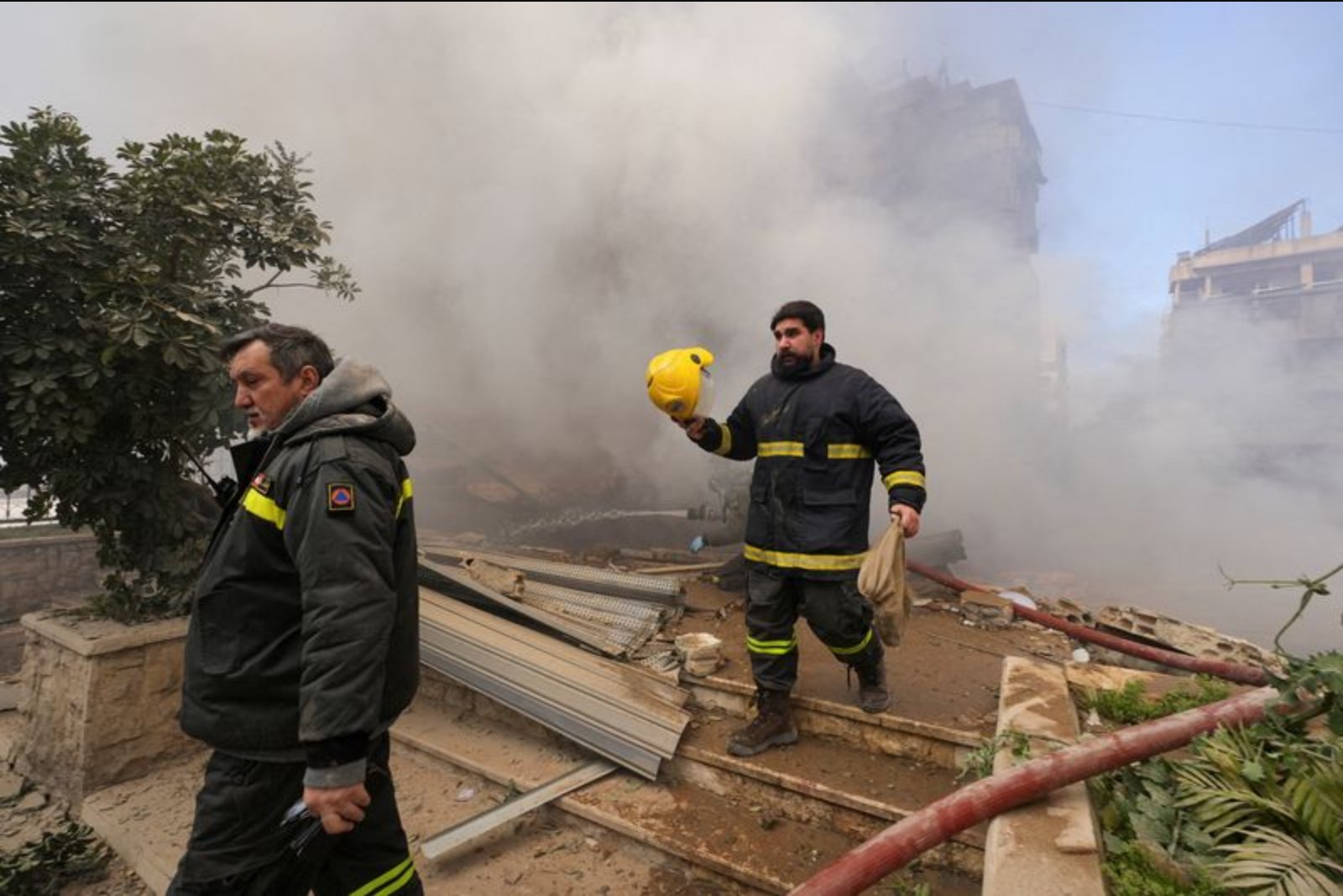
United Nations agencies report that at least 30,000 people have been registered in collective shelters across Lebanon since hostilities between Israel and Hezbollah escalated. The number of displaced is expected to grow, 21 government-run shelters are open, and aid agencies are preparing contingency plans as some Syrian refugees return to Syria. UNICEF reports children killed and injured amid strikes affecting residential areas and critical infrastructure.

Key Points

  • At least 30,000 people have been registered in collective shelters in Lebanon since the recent escalation, with many more sleeping in cars or stranded in traffic.
  • The Lebanese government has opened 21 shelters; U.N. agencies expect displacement to rise and UNHCR is preparing contingency plans for potential additional movements, including returns of Syrian refugees to Syria.
  • UNICEF reports seven children killed and 38 injured since Monday, and warns that residential areas, schools and critical infrastructure are being affected. Sectors impacted include humanitarian aid and food assistance, education, and critical infrastructure services.

At least 30,000 people have sought refuge in collective shelters in Lebanon since the recent escalation of hostilities involving Israel and Hezbollah, United Nations agencies said on Tuesday. The displacement follows a series of cross-border strikes that began after Hezbollah fired rockets at Israel late on Sunday, which came in reaction to U.S. and Israeli strikes against Iran.

UNHCR spokesperson Babar Baloch said the figure reflects a conservative count of those "hosted and registered at collective shelters." He added that "many more slept in their cars on the side of roads or were still stuck in traffic jams." The U.N. World Food Programme noted that the number of displaced people is expected to rise and confirmed that the Lebanese government has opened 21 shelters so far.

Alongside the movement to shelters, the U.N. refugee agency has recorded an increase in the number of Syrian refugees departing Lebanon and returning to Syria. UNHCR officials said they are preparing a contingency plan to respond to any further movements across the border.

Lebanon hosts a high concentration of refugees relative to its population. According to the figures cited by U.N. agencies, about 1.5 million Syrians live in Lebanon, a country with roughly 4 million Lebanese nationals. The broader Syrian refugee crisis has seen more than 6 million people flee since conflict erupted in Syria in 2011, with most going to Turkey, Lebanon and Jordan.

Humanitarian agencies have also raised alarms about civilian harm. UNICEF reported that Israeli air strikes have put children in residential areas at immediate risk. Since Monday, seven children have been killed and 38 injured, the U.N. children’s agency said.

"Each new escalation expands the circle of harm. Residential areas, schools and critical infrastructure are being affected," UNICEF spokesperson Ricardo Pires said.

U.N. agencies and humanitarian organizations are monitoring developments and scaling preparations for further displacement and protection needs. With shelters filling and some families opting to sleep in vehicles or remain in congested roadways, aid groups have highlighted the need for greater capacity and coordinated contingency measures.


Key immediate facts include the confirmed numbers in shelters, the opening of 21 government-run shelters, reported child casualties, and preparations by UNHCR for potential further refugee movements. The situation remains fluid and humanitarian agencies emphasize that the number of people seeking protection is likely to increase.

Risks

  • Further escalation could increase the number of displaced people beyond current shelter capacity, straining humanitarian and logistical resources - impacting humanitarian aid delivery and shelter operations.
  • Rising civilian casualties and damage to residential areas, schools and critical infrastructure present immediate protection and recovery challenges, affecting education services and essential utilities.
  • An uptick in Syrian refugees returning to Syria could create additional humanitarian coordination and border management pressures, affecting refugee assistance programs and regional relief operations.

More from Commodities

Analysis Indicates U.S.-Operated Patriot Likely Involved in Bahrain Residential Blast Mar 22, 2026 Bahrain Says Patriot System Intercepted Iranian Drone Over Sitra on March 9 Mar 21, 2026 Global energy systems strained as Middle East conflict forces higher prices and lower consumption Mar 21, 2026 Escalation Spreads: Israel Hits Tehran and Beirut as U.S. Sends Marines to the Region Mar 21, 2026 JPMorgan Lowers S&P 500 Year-End Target, Cites Strait of Hormuz Supply Shock Mar 20, 2026