
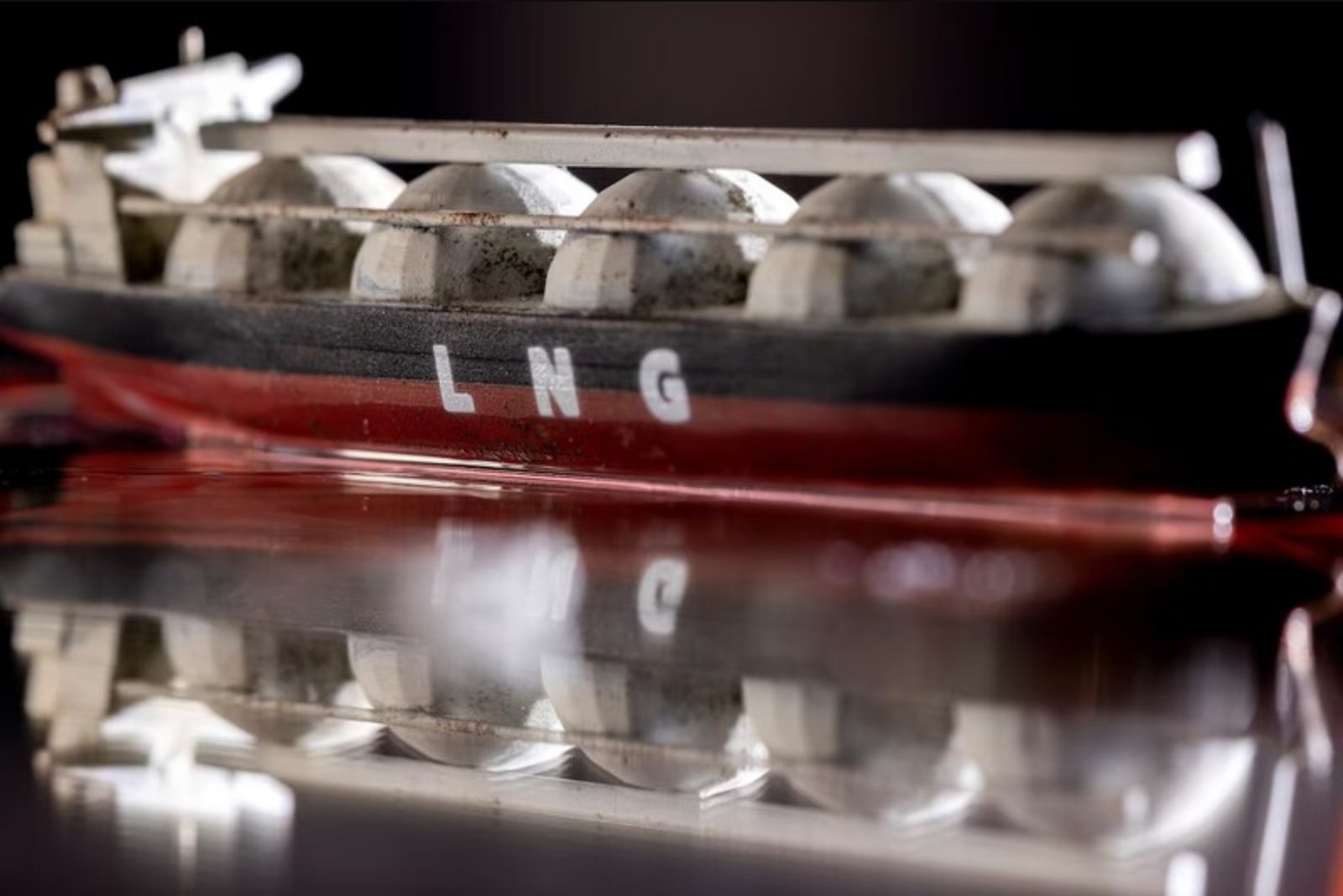
TAIPEI, April 4 - Taiwan has received direct assurances from the energy minister of a "major energy-producing country" that the country will support Taiwan's liquefied natural gas (LNG) requirements, the island's economy minister said on Saturday. The comments came as Taipei outlined steps to manage potential disruption to Middle East energy imports associated with the Iran war.
Before the conflict, Taiwan sourced roughly one third of its LNG from Qatar. Officials say the island has arranged alternate deliveries for the coming months from suppliers that include Australia and the United States.
Speaking to reporters in Taipei, Economy Minister Kung Ming-hsin emphasized that Taiwan has strong ties with its crude oil and natural gas suppliers. He said those relationships mean shifting the origin of shipments or buying additional spot cargoes would not present a problem for Taiwan's energy security.
Kung described a proactive outreach that took place about two weeks ago, when the energy minister of a "major energy-producing country" contacted him. According to Kung, that official "explained to us that they would fully support our natural gas needs. If we have any demand, we can let them know." He added that another country had indicated some nations have released strategic petroleum reserves and could help coordinate assistance for Taiwan if needed.
Kung framed these responses as evidence of the international goodwill Taiwan has cultivated through long-term trust, while declining to identify the specific countries involved.
At the same news conference, Angela Lin, a spokesperson for state-owned refiner CPC, said crude oil inventories are being maintained at pre-conflict levels and that overall petrochemical feedstock supplies have remained stable. Those comments suggest Taiwan's immediate energy and industrial feedstock needs are currently being met despite regional tensions.
CPC Chairman Fang Jeng-zen signaled concrete supply diversification moves, noting a new contract with the United States that will supply 1.2 million metric tons of LNG annually. He said further volumes are expected over time, including eventual shipments from Alaska. Fang also stated that Taiwan is not considering imports of crude oil or LNG from Russia.
The statements from government and state-owned enterprise officials sketch a strategy that combines diplomatic assurances, contractual diversification, and inventory management as Taiwan navigates potential disruptions to its energy supply chain. Details on the unnamed supporting countries were not disclosed.