
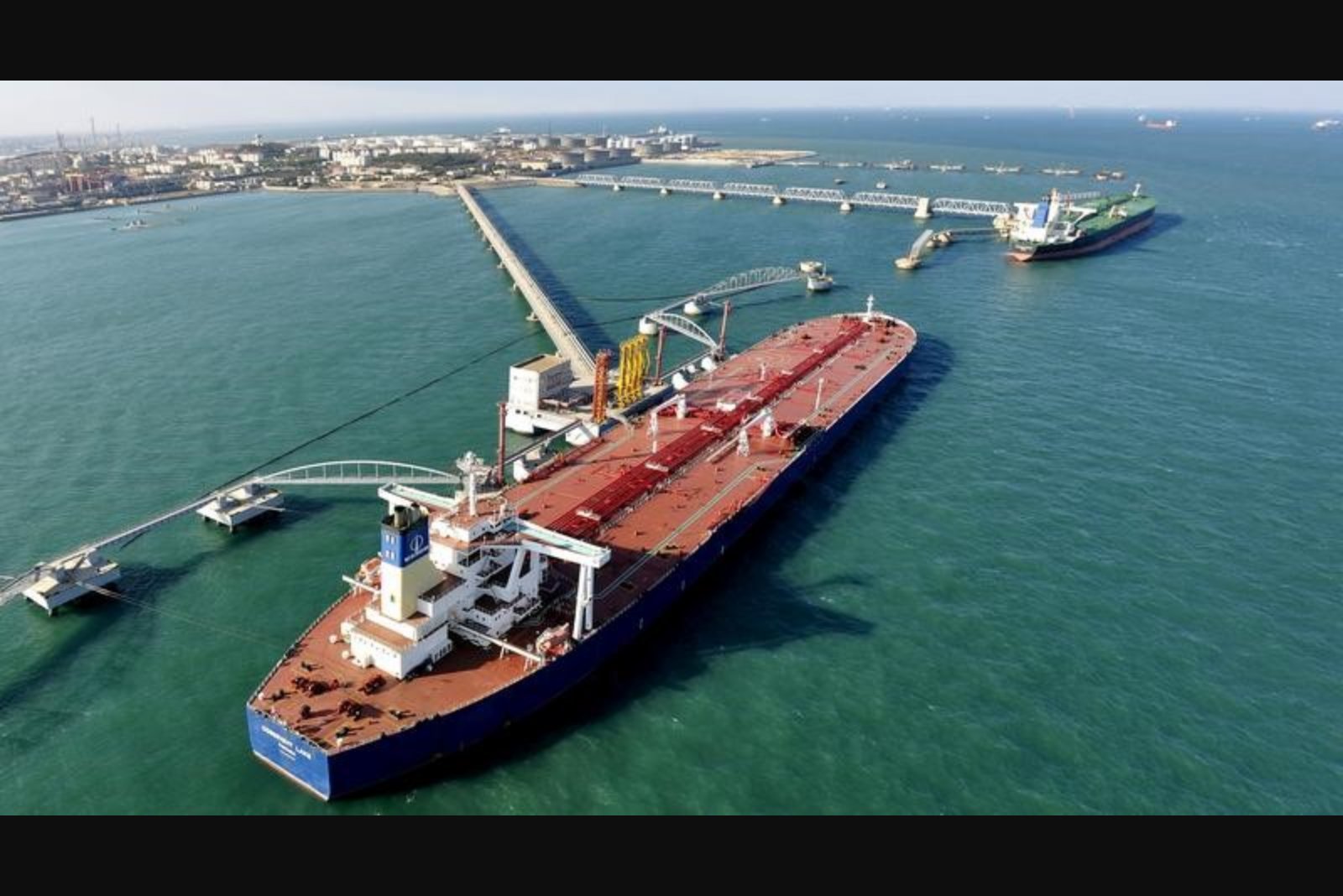
Shipping through the Strait of Hormuz has picked up in recent days, a change that lends some corroboration to U.S. President Donald Trump's declaration that Iran permitted 10 oil tankers to transit the strategic waterway during ongoing talks.
At a Cabinet meeting, the president said Tehran had acted to demonstrate good faith. "They said, to show you the fact that we're real and solid… we're going to let you have eight boats of oil… It ended up being 10 boats," he said, calling the move a "present" amid negotiations.
Independent assessments of ship movements show a pattern broadly consistent with that claim, although the timeframe differs slightly. Morgan Stanley reported it observed three tankers transiting outbound through the Strait on March 26, and it revised its estimate for March 25 up to two vessels from an earlier count of zero.
Extending the window to the last several days, Morgan Stanley's tally indicates as many as 12 vessels passed through the Strait since March 23. That represents a clear uplift from the previous four-day span between March 19 and March 22, when only three vessels were recorded.
The recent increase follows a period of sharp disruption tied to the escalating Iran conflict, which had raised concerns that flows through one of the world's key energy chokepoints could all but stop. Those fears have loomed large because the Strait of Hormuz handles a substantial share of global oil shipments; even modest variations in traffic can swing market sentiment.
Barclays commodity strategist Amarpreet Singh characterized the fallout from the Iran war as a major shock to energy markets. "The Iran war has produced the largest geopolitical shock to energy markets since the 1990 Gulf War," Singh said in a note, underlining the severity of the disturbance.
Singh also cautioned about the scale of potential disruption should it persist. "A prolonged Strait of Hormuz disruption implies a 13-14 mb/d supply loss, and global above-ground inventories entered the conflict already tighter than before Russia's 2022 invasion of Ukraine, leaving little cushion despite record SPR releases," he added.
Market watchers emphasize that while the uptick in tanker traffic is notable, it is still modest relative to normal transit levels. For traders and analysts focused on energy markets, the shift in direction is nonetheless important: it could signal tentative de-escalation, or it could prove temporary if hostilities or diplomatic dynamics change.
Context and implications
The reported movement of vessels provides a near-term data point for energy and shipping markets closely tracking the Iran conflict. Given the Strait's outsized role in global crude flows, changes in transit volumes are quickly reflected in market sentiment even when the numerical change is small.