
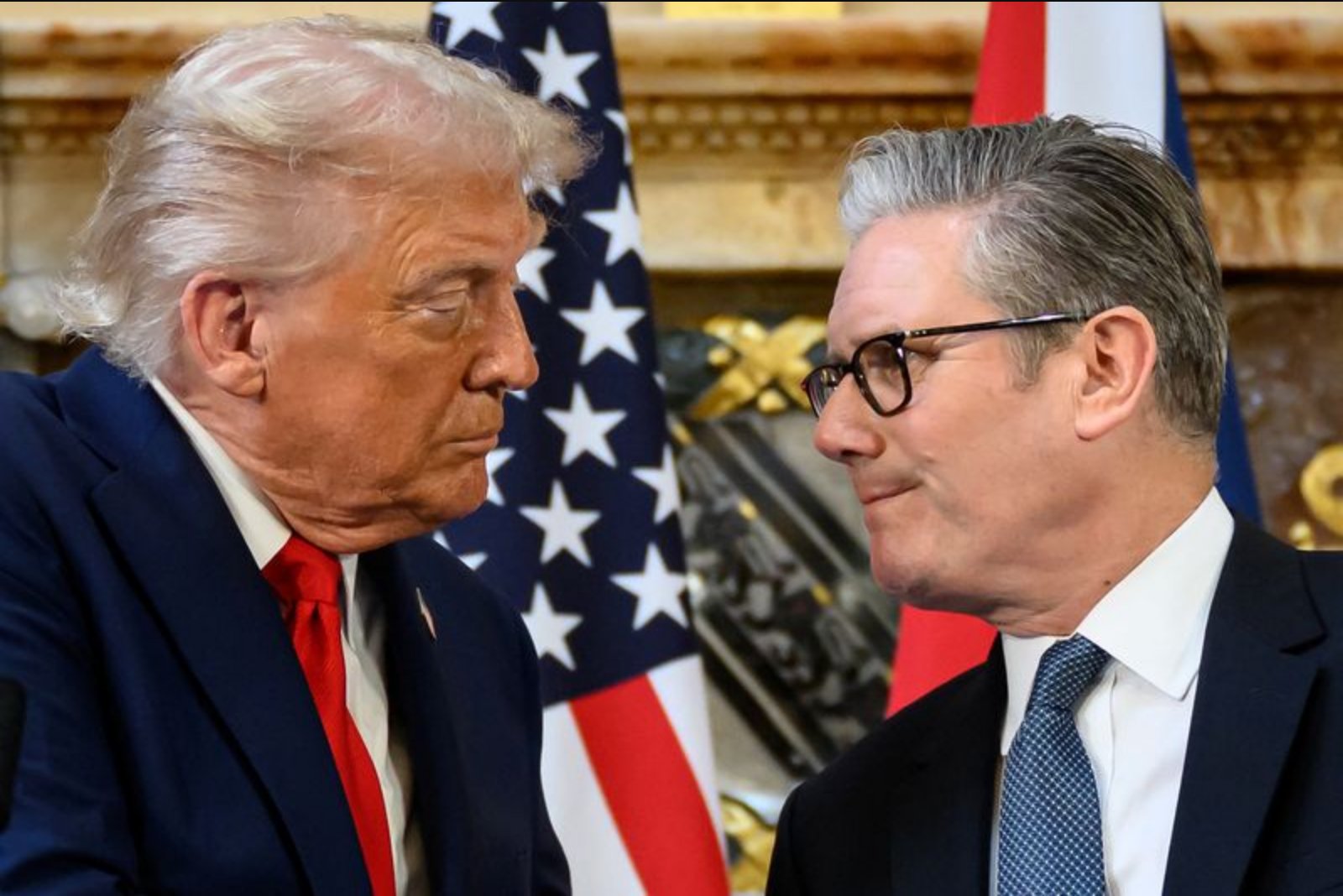
LONDON, April 10 - British Prime Minister Keir Starmer said on Friday that his conversation with U.S. President Donald Trump the previous evening addressed both military capabilities and the practicalities of moving vessels through the Strait of Hormuz.
During a visit to the Gulf, Starmer described efforts to assemble a coalition of countries and said that the work has encompassed political and diplomatic measures as well as operational considerations. "We’ve been pulling together a coalition of countries ... working on a political, diplomatic plan, but also looking at military capabilities and ... the logistics of actually moving vessels through the Strait," he said.
Starmer added that this practical, navigation-focused planning was the center of the discussion with President Trump. "That was the focus of the discussion last night - reflection on what I’ve been discussing here, but also that focus on a practical plan in relation to navigation through the Strait," he said. He did not provide further details about the content of those discussions or the specific steps under consideration.
When asked whether he had raised reported U.S. threats of withdrawing from NATO in his discussion with Mr. Trump, Starmer did not respond directly to the question. Instead, he emphasized the importance of the transatlantic alliance to both Europe and the United States, framing it in defensive terms. "NATO is a defensive alliance which, for decades, has kept us much safer than we would otherwise have been," he said.
The comments underline a dual thread in the talks Starmer described: diplomatic coalition-building alongside an examination of military and logistical arrangements for maritime navigation through a strategically sensitive waterway. Details about any operational measures, participants in the coalition, or timelines for implementation were not provided.
Context and implications
Starmer’s remarks link diplomatic, political and military dimensions to navigation through the Strait of Hormuz. The prime minister framed the talks as combining wider coalition efforts with a practical focus on enabling vessels to transit the strait, but the extent and nature of any planned measures remain unspecified.
Questions about whether NATO-related tensions were raised remain unresolved, as Starmer declined to directly answer when queried about U.S. withdrawal threats. He reiterated the alliance’s defensive purpose and its contribution to security.
This account reflects the limited level of detail released by the prime minister following the conversation with the U.S. president.