
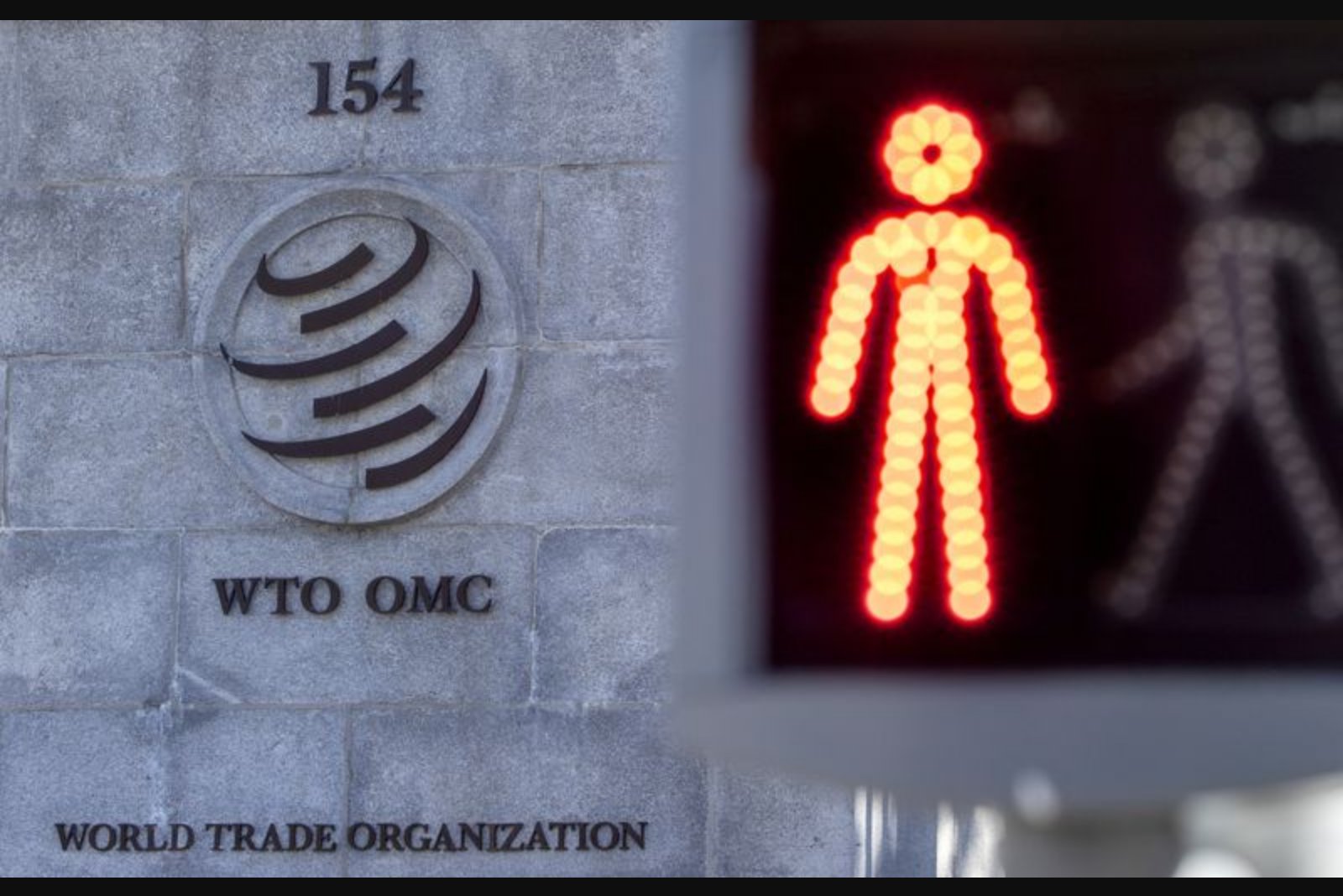
Senior diplomats attending the World Trade Organization ministerial in Yaounde, Cameroon, described a meeting marked by strong political will to achieve reforms and equally strong obstacles to doing so. While ministers have gathered for four days to discuss ways to adapt the global trading system, two diplomats told Reuters that large differences remain between most members and two influential participants - the United States and India.
"There is a real commitment among ministers to reach an agreement on reforms, but there is a big elephant in the room blocking: India and the U.S.," a senior diplomat said. That diagnosis was echoed by another African diplomat, who said India had not yet signalled a shift in position, though "In the corridors we have lots of hope." Both officials requested anonymity because of the sensitivity of ongoing negotiations.
Diplomats described three principal areas where positions diverge sharply. First, while Washington and New Delhi both accept that the multilateral trading system needs updating, they have resisted endorsing a substantive workplan on reforms, limiting the scope for a collective roadmap at this meeting. The senior diplomat said there was little room for manoeuvre between the U.S. and India's positions on reform.
Second, India is blocking moves to extend the existing moratorium on customs duties for electronic transmissions - the e-commerce ban that is due to expire this month. India’s Minister of Commerce and Industry, Piyush Goyal, has questioned U.S. efforts to prolong the moratorium, calling for a "careful reconsideration" and citing concerns over the potential loss of tariff revenue for New Delhi. USTR Jamieson Greer made Washington's stance clear, saying the U.S. was "not interested" in a temporary extension to the ban, only a permanent one.
Third, India has objected to attempts by some countries to create plurilateral pathways - subsets of members taking action among themselves - instead of pursuing outcomes by consensus. That objection has clouded prospects for incorporating an Investment Facilitation for Development Agreement into the WTO rule book at Yaounde. The proposed agreement is intended to encourage foreign direct investment into developing and least-developed countries. Turkey on Thursday lifted its opposition to that pact, but India's stance remains a barrier.
Observers at the meeting say India is seeking to preserve the WTO's consensus-driven architecture. "Together, these risk turning the WTO from a rules-based body into one driven by power and selective coalitions," Ajay Srivastava, founder of a Delhi think tank and a former Indian negotiator, told Reuters. His remarks framed India's insistence on maintaining consensus as a defence of institutional norms.
Negotiators are also at an impasse over a longstanding Indian priority - a permanent solution on public stock holding (PHS). New Delhi seeks the ability to subsidise rice and wheat farmers using price support mechanisms and to maintain public stocks to support domestic food security. Major agricultural exporters including the U.S., the EU and Australia oppose a permanent solution that they say could permit the accumulation and disposal of large food stocks in ways that might distort trade and markets.
Randa Sengupta, a senior researcher at the Third World Network, defended the PHS approach as "an important means to support farmers and enable food security for poorer communities in India." The clash over PHS underscores the intersection of trade rules with domestic policy priorities on agriculture and food security.
At the ministerial, this mix of entrenched positions has generated both diplomatic engagement and rising impatience. Chris Southworth, Secretary General of the UK International Chamber of Commerce, said the U.S., China, EU and UK positions were "reasonable," but that progress depended on compromise from India. "I think frustration among members will start to spillover here in Yaounde if we see no progress," he warned.
Beyond high-level politics, the talks are unfolding against a backdrop of practical pressures that ministers cited as reasons to pursue reform. Delegates point to a year of tariff-fuelled trade turbulence and large-scale disruption to shipping, energy prices and supply chains arising from the Middle East conflict. Those dynamics provide urgency to discussions, even if they have not yet resolved core disagreements.
Diplomats and delegates say some scope for flexibility may emerge during the meeting, as negotiators test possibilities in informal discussions. "In the corridors we have lots of hope," one delegate said, reflecting the mix of optimism and realism that characterises the negotiations. However, the same sources caution that without concessions from both Washington and New Delhi on the central items - a concrete reform workplan, the e-commerce moratorium, rules on investment facilitation and a PHS solution - the ministerial faces a difficult path to deliverable outcomes.
Key points
- Significant differences between most WTO members and the U.S. and India threaten progress on a substantive reform agenda at the Yaounde ministerial.
- Core disputes include the extension of the e-commerce moratorium, incorporation of an Investment Facilitation for Development Agreement into the WTO, and a permanent solution for public stock holding for staple crops - all of which affect trade, investment and agricultural policy.
- Disruptions in shipping, energy prices and supply chains linked to the Middle East conflict and a year of tariff-fuelled trade volatility add urgency to negotiations, but do not resolve political deadlocks.
Risks and uncertainties
- Failure to bridge differences could result in limited or no substantive reform outcomes at the ministerial, maintaining uncertainty for international trade and investment - impacting shipping, energy, and supply chain-sensitive industries.
- Disagreement over a permanent e-commerce moratorium creates fiscal and policy risk for governments concerned about tariff revenue, particularly affecting digital trade and customs-dependent revenue streams.
- Deadlock on public stock holding policies exposes agricultural markets to policy-driven volatility and could complicate support mechanisms for farmers in developing countries, influencing global grain trade.