
Market recap
Silver climbed to an unprecedented $121.6 per ounce on January 29 before collapsing more than a quarter of its value the next trading day after a wave of technical selling and stop-loss orders triggered an outsized move - the largest single-day drop recorded in LSEG data back to 1982. The decline continued into Monday when silver was last trading around $78 per ounce, down roughly 7% on the day.
Where the rally came from
Analysts describe the immediate drivers of the surge and subsequent reversal as rooted in heavy retail participation and speculative positioning. Saxo Bank’s head of commodity strategy, Ole Hansen, said: "There’s been a massive, massive retail frenzy getting into these markets." He added that the search for a price floor now depends in part on demand from China and on whether volatility calms.
The extreme advance was not viewed as fundamentally driven. Heraeus characterised January’s 71% spike prior to the drop as the most extreme move since 1980 - the year associated with the Hunt brothers' attempt to corner the market. The month followed an earlier, much larger rise in 2025 when silver rose 147% according to analysts cited by market participants.
Retail demand and dealer strain
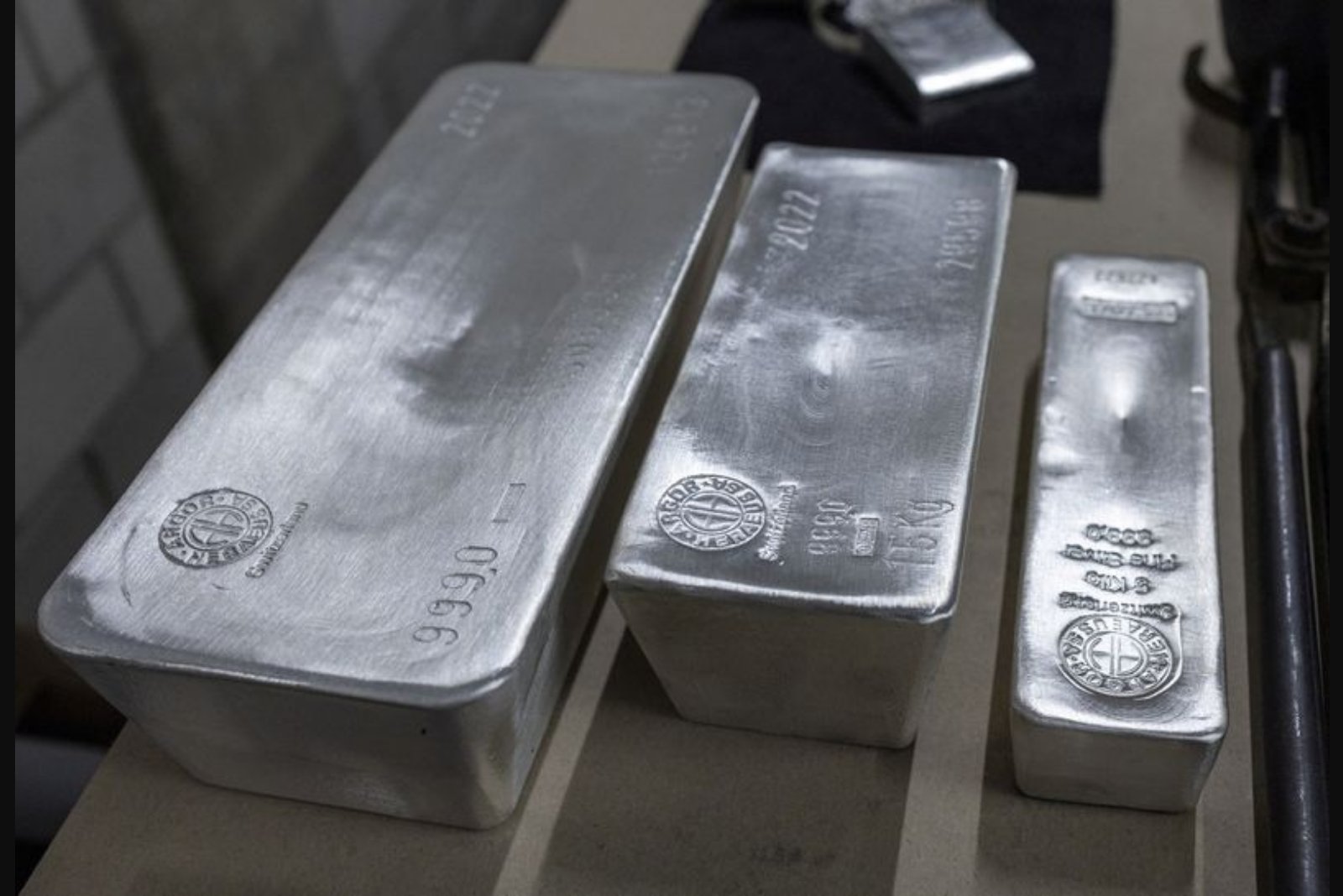
Retail appetite for physical silver - bars and coins - was a pronounced feature of the run-up. Social media posts celebrated price milestones above $100 and later $120, with many users sharing images of collected coin and bar hoards. Hansen noted the ubiquity of retail interest with a simple observation: "You know the old story - when a taxi driver starts asking how to invest, then everyone knows there’s something going on."
Dealer flows reflected that frenzy. In the United States, online dealer APMEX experienced record two-way flows in December and January and on January 26 introduced minimums for trades: $20,000 for sell-backs and $500 for purchases. In India, reported as the world’s largest silver consumer, Chirag Thakkar, CEO of importer Amrapali Group Gujarat, said people were "snapping up coins and bars of all sizes." The full scale of retail purchases in December and January by weight has yet to be compiled by analysts.
Misinformation and market narratives
Observers point to waves of conspiracy theories and misinformation that intensified the speculative phase. Some social-media narratives alleged large banks were trading paper contracts for silver they did not hold or were taking short positions to suppress prices. Adrian Ash, head of research at BullionVault, remarked on the persistence of such claims: "If I’d got a dollar every time someone told me the LBMA-Comex paper silver system was about to collapse, I’d now have more than enough money to rescue the bullion banks from their ever-impending 'silver short' bankruptcy."
A separate misinformation episode centred on an ordinary October document from China’s commerce ministry. Social accounts mischaracterised the paper as evidence of new export restrictions, although Beijing was merely processing applications for 2026-27 licences and ultimately approved 44 exporters - two more than before. The rumour spread widely enough that some AI chatbots continue to repeat it inaccurately.
Memes, valuations and analyst perspectives
Bulge-bracket and boutique strategists highlighted the role of meme-driven narratives in stoking retail demand. BofA strategist Michael Widmer described silver’s "memefication" as evolving from the 2021 Reddit-fuelled squeeze attempt into last year’s stream of memes comparing silver to bitcoin and labelling it "the original decentralised currency." He suggested that if recent retail buying had persisted, silver could theoretically have reached $170 by end-2027; he places a fair value at $60.
Other market technicians and analysts flagged lower equilibrium values. Several analysts now cite a more fundamentally supported price in the $60-70 range. StoneX analyst Rhona O’Connell - who first applied the "Cinderella" nickname to silver in the 1980s - pointed to key technical support at Fibonacci levels near $66 and reiterated long-standing caution: "There’s not much I can add to my warnings about how silver is always a death trap," she said. "It gives me no comfort, but all the signs were there."
Outlook and market implications
Market participants say a clearer path to a trading floor for silver depends on two main factors cited by analysts: the trajectory of demand from China, which has been an important source of recent buying, and a reduction in headline volatility that has driven outsized technical moves. With dealers reporting strain from elevated two-way flows and retail investors encouraged by social-media narratives, pressure on liquidity and price stability remains an identified concern.
For now, the episode underlines how a relatively small, volatile asset can experience rapid, sentiment-driven swings when retail enthusiasm, meme culture and misinformation coincide. Analysts remain divided on the short-term course for prices, but several point to a materially lower, more sustainable valuation than the recent peak.