
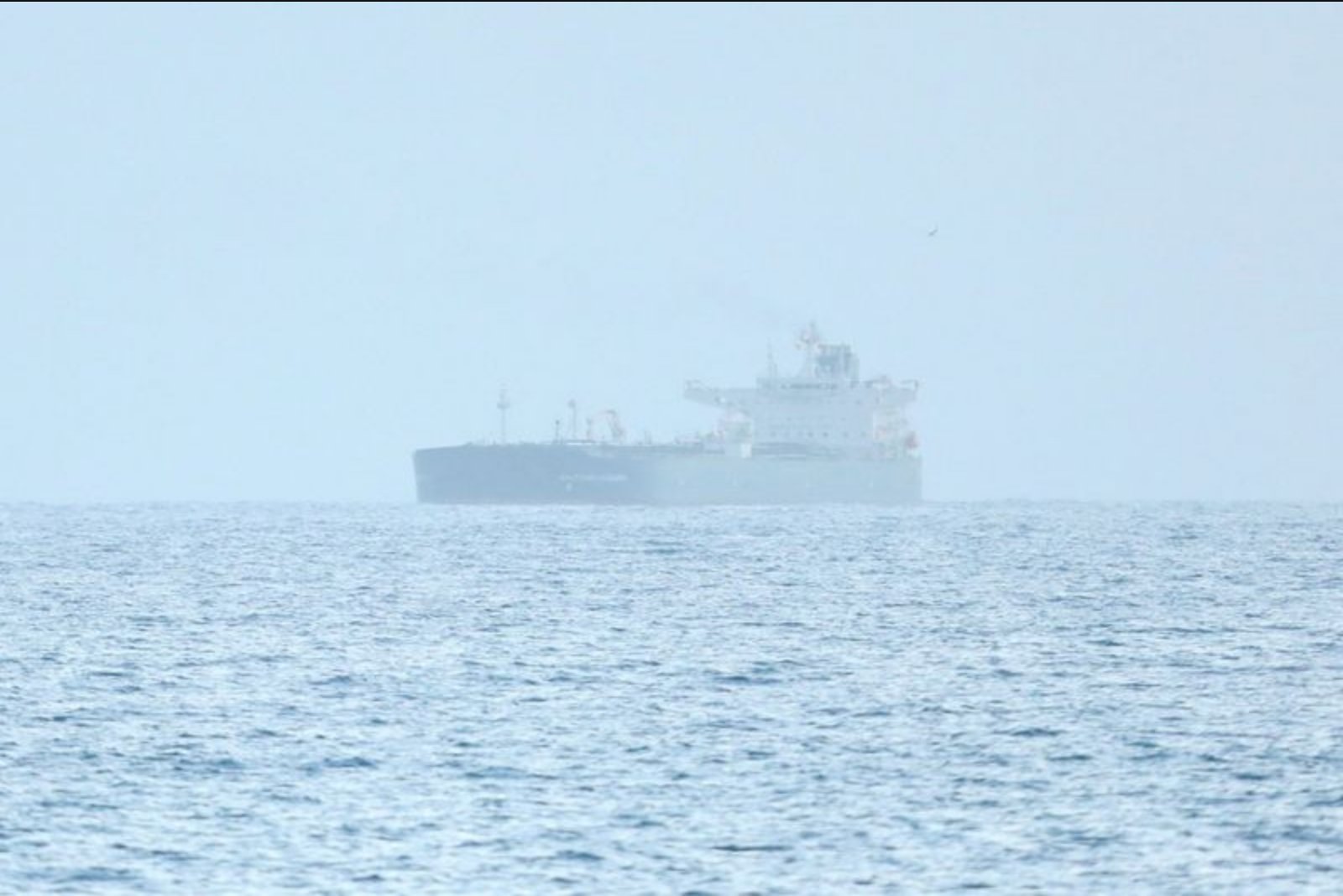
A Russia-flagged Aframax tanker, the Anatoly Kolodkin, arrived in the anchorage area of the Bay of Matanzas at daybreak on Tuesday carrying about 700,000 barrels of Russian crude, according to on-site observation and ship-tracking records. The vessel entered Cuban territorial waters late on Sunday, near the U.S. naval base at Guantanamo Bay, and reached the island's largest supertanker and fuel-storage port under clear skies and light winds at sunrise.
The tanker is under U.S. sanctions but, the United States said, it is being allowed to make the delivery on humanitarian grounds. If the cargo is unloaded and processed, officials said the crude would provide breathing room for Cuba's Communist-run government, which has faced sustained pressure from the Trump administration.
The ship is reported to be carrying Russian Urals, a medium sour crude that is stated to be well suited to Cuba's older refinery units. It will still require several days before the onboard crude can be refined domestically into motor fuels and other refined products such as diesel and fuel oil used for electricity generation.
President Miguel Diaz-Canel has said Cuba had not taken delivery of an oil tanker in three months. The absence of regular fuel shipments has worsened an energy crisis that has produced widespread and recurring blackouts across the island nation of about 10 million people. At the time the tanker arrived, much of the nearby city of Matanzas - and large portions of the country - were without power.
Those outages have put hospitals, public transportation and farm production under severe strain, reflecting the operational dependencies of core public services and supply chains on stable fuel and power supplies. The arrival of this cargo, while potentially easing immediate shortages, will not lead to instant restoration of services because of the time required to process crude into usable fuels.
Context for sectors and operations
From an industrial and supply-chain perspective, the shipment's cargo specification - Urals medium sour crude - aligns with the feedstock requirements of aging refinery infrastructure. However, refinery throughput, conversion rates and the logistics of unloading and distributing refined output mean there is an inevitable lag between tanker arrival and tangible relief at the pump or at power plants.
The broader operational picture remains constrained by the prior three-month gap in tanker arrivals, the sanctioned status of the vessel, and the need for downstream refinery work to convert crude into transport and power-generation fuels.