
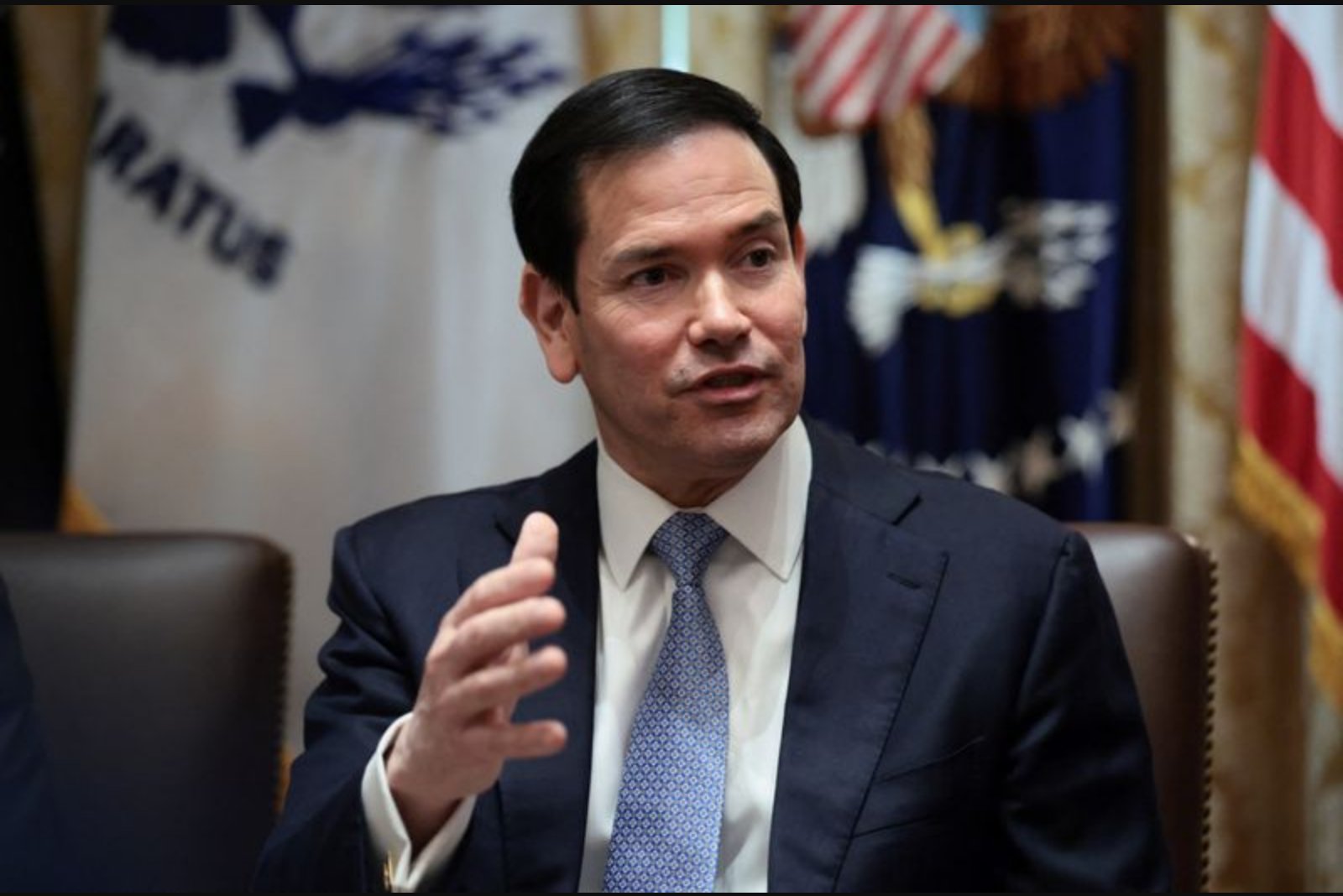
Summary: U.S. Secretary of State Marco Rubio spoke by phone with Kurdistan Regional Government Prime Minister Masrour Barzani, thanking the KRG for facilitating oil exports from Iraq, including those originating in the Kurdistan Region, to international markets. Rubio additionally conveyed condolences to families of Peshmerga personnel killed in a missile attack attributed to Iran and expressed wishes for a rapid recovery for those wounded.
The State Department said the call took place on Thursday, during which Rubio "expressed his gratitude to the Kurdistan Regional Government for enabling oil from Iraq, including from the Iraq Kurdistan Region, to reach global markets." The department also reported that the secretary "offered his condolences to the families of the Peshmerga killed in an Iranian missile attack on March 24 and wished a speedy recovery to those injured."
According to a Peshmerga statement cited by the State Department, at least six Kurdish Peshmerga fighters were killed and 30 were wounded in a rocket attack on their base north of Erbil. The Peshmerga statement described the incident as a "treacherous attack," and said six Iranian ballistic missiles struck a Peshmerga military headquarters north of Erbil early on Tuesday.
The State Department release placed these developments against the backdrop of the ongoing Iran war, noting the conflict has pushed oil prices higher and unsettled global markets. The Iran war was said to have begun on February 28 when the U.S. and Israel attacked Iran. Tehran subsequently launched its own attacks on Israel and Gulf states that host U.S. bases, according to the account in the statement.
The State Department's account further reported that joint U.S.-Israeli strikes in Iran and Israeli attacks in Lebanon have resulted in thousands of deaths. It added that U.S. President Donald Trump has articulated shifting goals and timelines for the war, at times calling for the overthrow of Iran's government and at other times framing objectives as the destruction of Iran's military and missile capabilities. On Thursday, he reiterated that he believes his side has prevailed in the conflict.
Key points
- Secretary Rubio thanked the Kurdistan Regional Government for helping Iraqi oil, including Kurdistan-region oil, reach global markets - sector affected: energy and oil markets.
- Rubio offered condolences for Peshmerga casualties from a missile attack attributed to Iran and wished the injured a speedy recovery - sectors affected: regional security and defense.
- The State Department linked recent events to the wider Iran war, which it said has raised oil prices and unsettled global markets - sectors affected: commodities and global financial markets.
Risks and uncertainties
- Ongoing military strikes and retaliatory actions heighten regional security risks, which could further disrupt oil supplies and affect energy markets.
- Escalation of the Iran war or additional attacks on forces in the region could prolong volatility in global commodities and financial markets.
- Shifting political and military objectives stated by U.S. leadership contribute to uncertainty over conflict duration and outcomes, complicating market and policy responses.