
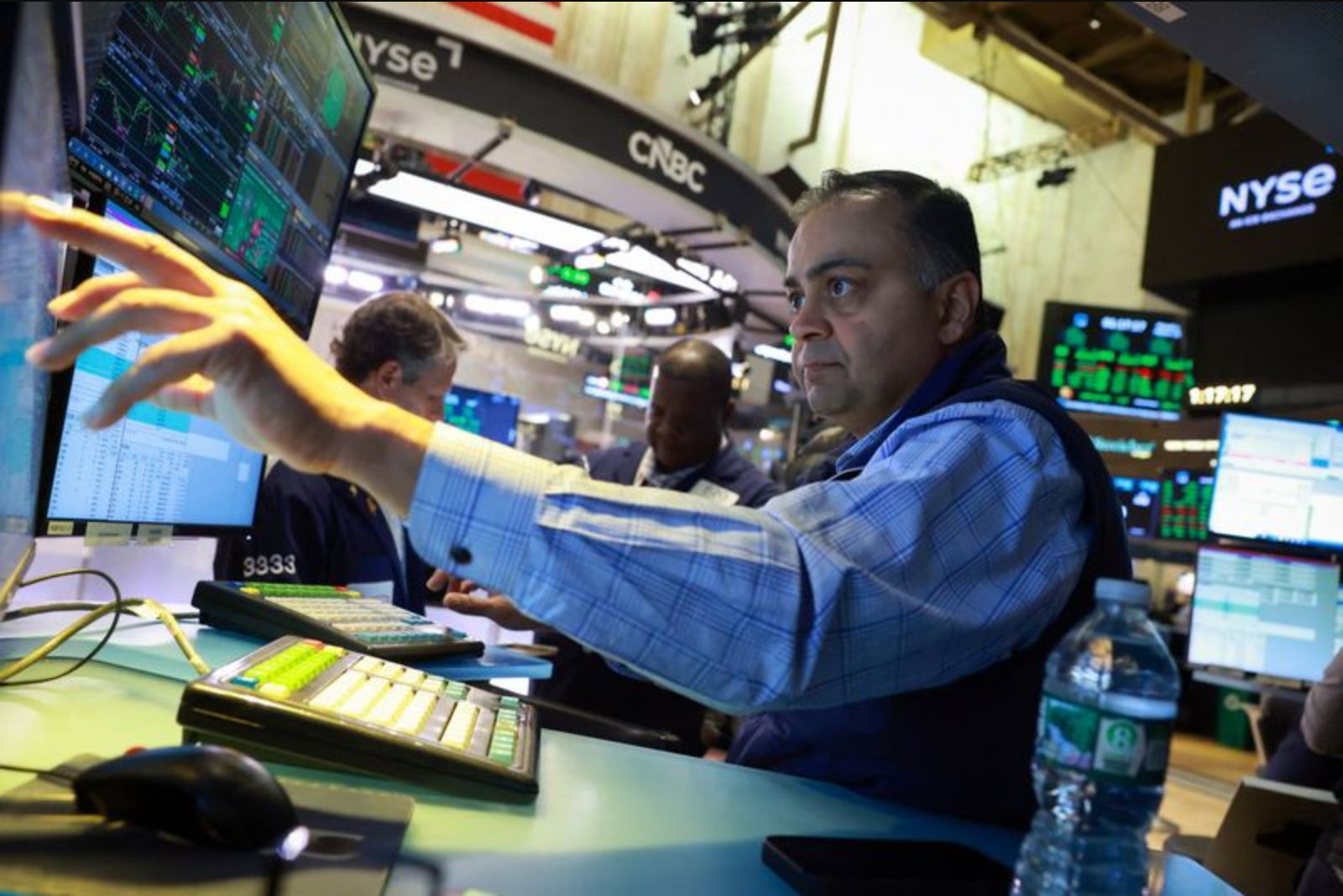
Global financial and energy markets opened under pressure as conflicting diplomatic signals over the Middle East failed to produce any immediate easing in hostilities or shipping disruptions. The United States said it is negotiating a 15-point ceasefire plan, while Iran said it was only reviewing a U.S. proposal and that no talks were planned. Fighting persisted and the Strait of Hormuz remained effectively shut, keeping upward pressure on oil.
After dipping roughly 2% on Wednesday, both Brent and West Texas Intermediate futures turned higher on Thursday as traders absorbed the mixed messages from Washington and Tehran. The two benchmarks were trading near $105 and $93 per barrel, respectively.
Risk appetite waned as hopes for a quick resolution diminished. Asian equities extended losses with Japan’s Nikkei down 0.7%, Hong Kong’s Hang Seng off 1.7% and South Korea’s KOSPI lower by 2.7%. European markets were also weaker on Thursday morning, with the STOXX 600 sliding, while U.S. stock futures were pointing down ahead of the opening bell. Gold likewise fell back, failing to find renewed safe-haven demand and giving up part of the recent gains it had recorded amid expectations of a resolution to the energy shock.
Treasury markets remained on edge after a fresh round of poor debt auctions and as investors grew more concerned about longer-term inflation prospects. Import price data released on Wednesday showed a much larger-than-expected rise in February, feeding those worries and contributing to the tension in fixed income markets.
Corporate and policy developments
In other headlines, President Trump re-scheduled his long-anticipated trip to China for mid-May. Legal developments in the U.S. technology sector saw Alphabet and Meta lose a court case concerning whether the design of their social media platforms harms children.
On the corporate technology front, Arm Holdings rallied more than 16% on Wednesday after forecasting that a new in-house data-center chip would produce roughly $15 billion in annual revenue within five years. The chip, designed to power so-called "agentic" AI workloads, represents a strategic shift for Arm from its traditional model of licensing chip designs to major players such as Nvidia.
Chart of the day - import price inflation
U.S. import price inflation showed a sharp acceleration in February, rising 1.3% month-on-month. That increase, which excludes tariff effects, was the largest monthly climb in four years. The bump was driven by food and energy prices but also reflected gains across consumer and capital goods. Prices for imported capital goods logged their biggest increase on record, attributed in part to the boom in AI infrastructure. The core annual rate of import price inflation climbed to 3.0%, a move analysts linked partly to dollar weakness over the past year.
Events to watch today
- U.S. weekly jobless claims - 8:30 AM EDT
- U.S. 7-year note auction - 1:00 PM EDT
- Speeches by Federal Reserve officials Stephen Miran, Lisa Cook, Michael Barr and Philip Jefferson
Investors will be monitoring these data points and remarks for further clues on the inflation outlook and how the Fed may respond.
Takeaway
Mixed diplomatic signals on a possible ceasefire, persistent fighting that has disrupted shipping through the Strait of Hormuz, and a surprising jump in import prices combined to leave markets searching for direction. Oil rebounded after a midweek pullback, equities and gold lost ground, and Treasury markets stayed fragile amid concerns over debt issuance and rising inflation pressures.