
Commodities April 2, 2026

Prompt crude trades at record premium as Trump pledges further strikes on Iran

May WTI climbs about $15.70 above June as backwardation deepens amid supply disruptions and Strait of Hormuz flow concerns

By Marcus Reed
Prompt crude trades at record premium as Trump pledges further strikes on Iran

Front-month U.S. crude futures surged to their largest-ever premium over the second-month contract on Thursday, with May WTI trading roughly $15.70 per barrel above June. The sharp backwardation followed U.S. President Donald Trump’s pledge to continue attacking Iran and comes as the U.S.-Israeli war on Iran, now nearing the end of its fifth week, has removed millions of barrels per day from global markets and contributed to fuel shortages in nations reliant on oil and gas transiting the Strait of Hormuz.

Key Points

  • Front-month WTI May traded about $15.70 per barrel above the June contract, the largest premium on record, indicating strong near-term demand for physical barrels.
  • The U.S.-Israeli war on Iran, nearing the end of its fifth week, has removed millions of barrels per day from the global market and pushed energy prices to multi-year highs.
  • Fuel shortages have appeared in countries dependent on oil and gas flows through the Strait of Hormuz, which handles around 20% of global oil shipments.

Oil markets moved into extreme short-term scarcity on Thursday as prompt U.S. crude futures jumped to their highest-ever premium over the next-month delivery. Traders rushed to secure barrels after U.S. President Donald Trump vowed to press further attacks on Iran.


West Texas Intermediate (WTI) futures for May delivery were trading about $15.70 per barrel higher than the June contract during the session. That gap - a pronounced example of backwardation, where near-term barrels command a premium over later deliveries - signals market expectations of tighter supplies in the immediate term.

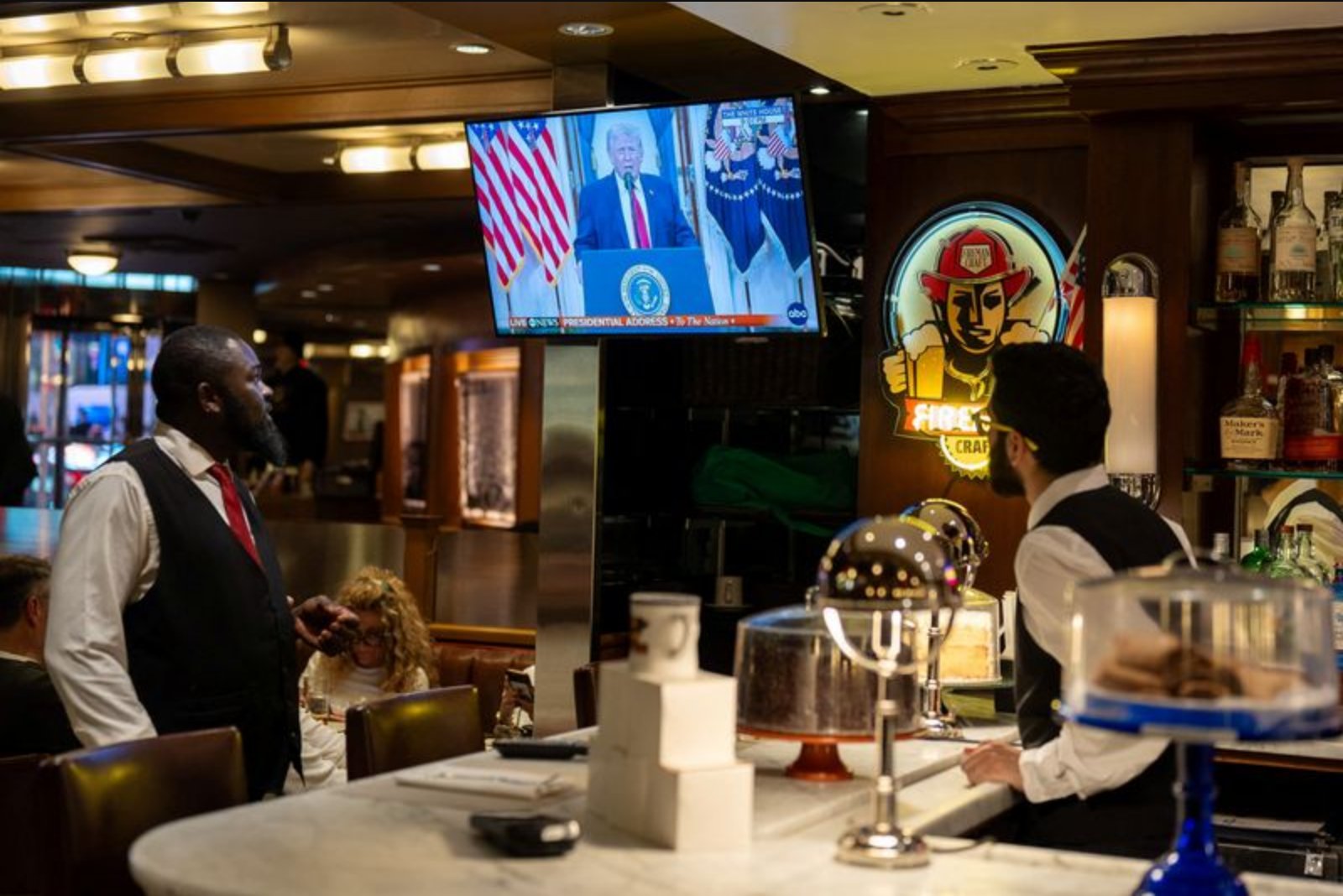
Market participants interpreted the move as a scramble for immediate physical barrels following Mr. Trump’s Wednesday evening remarks. In that speech the president pledged to hit Iran "extremely hard" in the next two to three weeks, but did not present a plan to re-open the Strait of Hormuz. He has recently suggested other nations should take the lead in clearing the shipping lane.


The broader geopolitical backdrop has reduced available crude volumes. The U.S.-Israeli war on Iran, now approaching the end of its fifth week, has taken millions of barrels per day out of global supply, according to market reports. That removal of supply has helped push energy prices to multi-year highs.

Observers also note practical consequences for fuel availability. Fuel shortages have emerged in countries that depend on oil and gas shipments passing through the Strait of Hormuz, the critical chokepoint through which around 20% of the world’s oil flows.


With the front-month premium reaching record levels and backwardation widening, traders and physical market actors are focused on near-term delivery logistics and the possibility of further disruptions tied to ongoing military actions and efforts to keep shipping routes open. The market response on Thursday reflected heightened concern about immediate supply rather than longer-dated contract positions.

Risks

  • Near-term supply shortages as implied by widening backwardation, impacting energy markets and downstream sectors such as refining and transportation.
  • Continued military action and geopolitical uncertainty around the Strait of Hormuz could further disrupt shipping and raise fuel availability risks for countries reliant on that chokepoint, affecting global shipping and logistics.
  • Uncertainty over who will secure the Strait of Hormuz and the absence of a U.S. plan to reopen it introduce operational risks for maritime carriers and energy supply chains.

More from Commodities

U.S. to Keep 50% Steel and Aluminum Tariffs but Cut Rates on Finished Goods, Sources Say Apr 2, 2026 Fuel Price Shock Exposes Strains on Milei’s Free‑Market Strategy as Region Feels Oil Pain Apr 2, 2026 Trump's Tough Talk on Iran Sends U.S. Fuel Prices Toward Record Territory Apr 2, 2026 Panama-Flagged Ship Detentions in China Prompt Diplomatic Alarm, Rubio Says Apr 2, 2026 Drone Strikes Severely Reduce Storage at Russia’s Primorsk Oil Terminal, Satellite Images Show Apr 2, 2026