
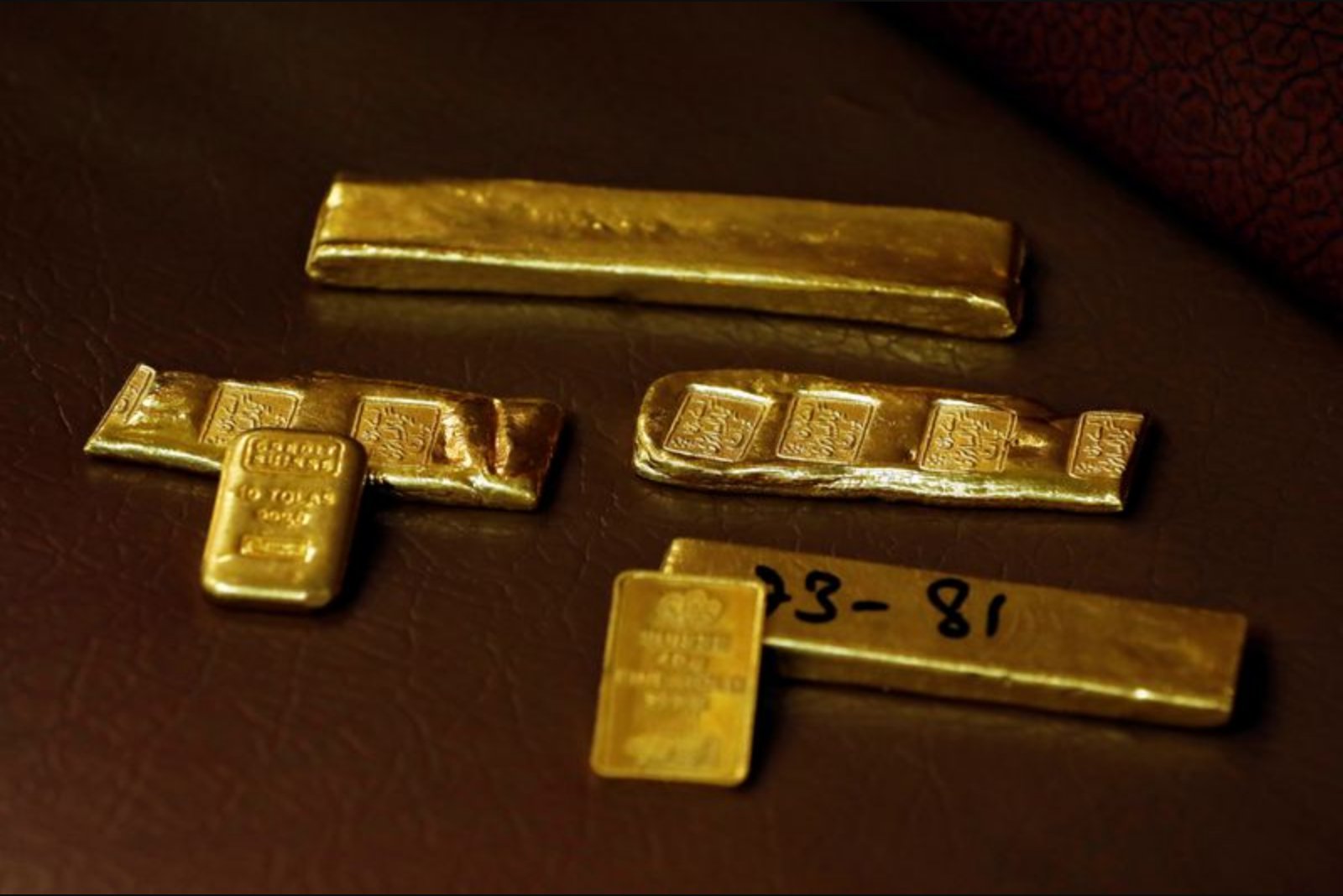
LONDON, Feb 2 - Precious metals markets are posting extreme weakness to start the month, with both gold and silver tumbling as investors unwind positions and react to shifting geopolitical and market dynamics.
Silver fell another 5.5% on the latest session, coming after a dramatic 30% slide on Friday that leaves the metal poised for its largest two-day percentage loss since at least the 1980s. Gold also extended losses, declining a further 3.4% following a 9% single-day plunge on Friday that marked its largest drop since 2013.
Market participants describe a combination of margin calls, momentum selling and a recent easing in U.S.-Iran tensions as the principal forces amplifying the moves in what many regard as a safe-haven segment of the market. Dealers pointed to stress in a number of Chinese silver futures funds late last week as a contributor to the selling pressure, while exchange-managed risk measures added to the rout when the CME raised margin calls on key gold and silver futures contracts.
The sell-off in metals has not occurred in isolation. Oil prices are down nearly 5% after comments over the weekend from the U.S. President that Iran was "seriously talking" with Washington. Market participants interpreted those remarks as a possible reduction in near-term risk of a U.S. military strike, at least over the coming days, and that dynamic is weighing on oil.
Equity markets have begun to feel the impact. Nasdaq futures traded nearly 1% lower and the so-called VIX "fear gauge" climbed toward the 20 level. The calendar amplifies investor focus: about one quarter of S&P 500 companies are scheduled to report earnings this week, and aggregate earnings-per-share growth had been running at about 11% year-on-year entering the week, versus a consensus expectation nearer 7%.
Tech names will face particularly close scrutiny. Market attention is concentrated on major technology firms including Alphabet, Amazon and AMD, with questions around cost structures and the timing and scale of AI-related benefits. That heightened scrutiny follows weaker-than-expected results from Microsoft last week.
In Europe, stocks are showing tentative signs of stabilization even as earnings flow continues - roughly 30% of STOXX 600 constituents are due to report this week. Asia's markets were more unsettled: South Korea's market dropped 5.5% as major chipmakers were hit amid lingering AI-related concerns, Hong Kong's Hang Seng lost over 2% after China's official purchasing managers' index slipped below the 50 threshold again, and Japan's Nikkei fell more than 1% despite a brief intraday move into positive territory after an opinion poll suggested Prime Minister Sanae Takaichi's Liberal Democratic Party could secure a landslide in next week's lower house election.
The coming week is heavy with economic datapoints and central bank decisions that could further influence market sentiment. Monday brings the January ISM manufacturing index in the United States, with the main macro spotlight reserved for Friday's non-farm payrolls report. In between, consumer sentiment surveys and details of the U.S. Treasury's quarterly refunding are scheduled to keep traders busy.
Major central banks are also on the agenda: policy meetings are due from the Reserve Bank of Australia, the European Central Bank and the Bank of England. The Australian meeting stands out in market pricing: implied odds suggest around a 75% probability that the RBA will raise rates by a quarter point to 3.85%, effectively reversing one of three cuts delivered over the prior year as policymakers attempt to rein in resurgent inflation.
It is important to note that, despite the sharp recent declines, both gold and silver remain comfortably above their starting points for the year. The metals had previously rallied strongly following a sequence of geopolitical developments earlier in the period, including the capture of Venezuelan President Nicolas Maduro by Washington and a high-profile row with Europe over the U.S. President's proposed grab for Greenland. That earlier surge has now given way to what traders characterize as a timely correction.
Analyst commentary cited in markets on Monday included a note from Deutsche Bank reiterating a long-term bullish scenario for gold, still seeing a possible target price as high as $6,000 an ounce given the uncertain global outlook. Defence-related equities in Europe also remain in demand amid that backdrop.
Currency movements have also factored into investor calculus. The U.S. dollar strengthened over the past couple of sessions following the nomination of Kevin Warsh to the Federal Reserve chair position, a development that appeared to ease some of the more extreme worries about the central bank's independence. Dollar strength, or the lack of it, is acknowledged as an important influence across commodity and financial markets.
Events to watch this week
- U.S. January ISM manufacturing index (10:00 AM EST)
- Canada January manufacturing PMI (9:30 AM EST)
- Speeches: Federal Reserve's Bostic, Bank of England's Breeden
- U.S. corporate earnings: Palantir, Walt Disney
Chart of the day
Despite the intensity of recent moves, the metals pullback should be seen in the context of earlier gains that left both gold and silver at elevated levels at the start of the year. The rapid ascent earlier in the period was linked in part to heightened geopolitical tensions, and while the rally has paused, some market participants view the correction as a potentially healthy recalibration rather than a reversal of the underlying story.
The coming days, with their mix of earnings, central bank decisions and key economic releases, are likely to provide fresh signals about whether current volatility continues to dominate or whether markets find firmer footing.