
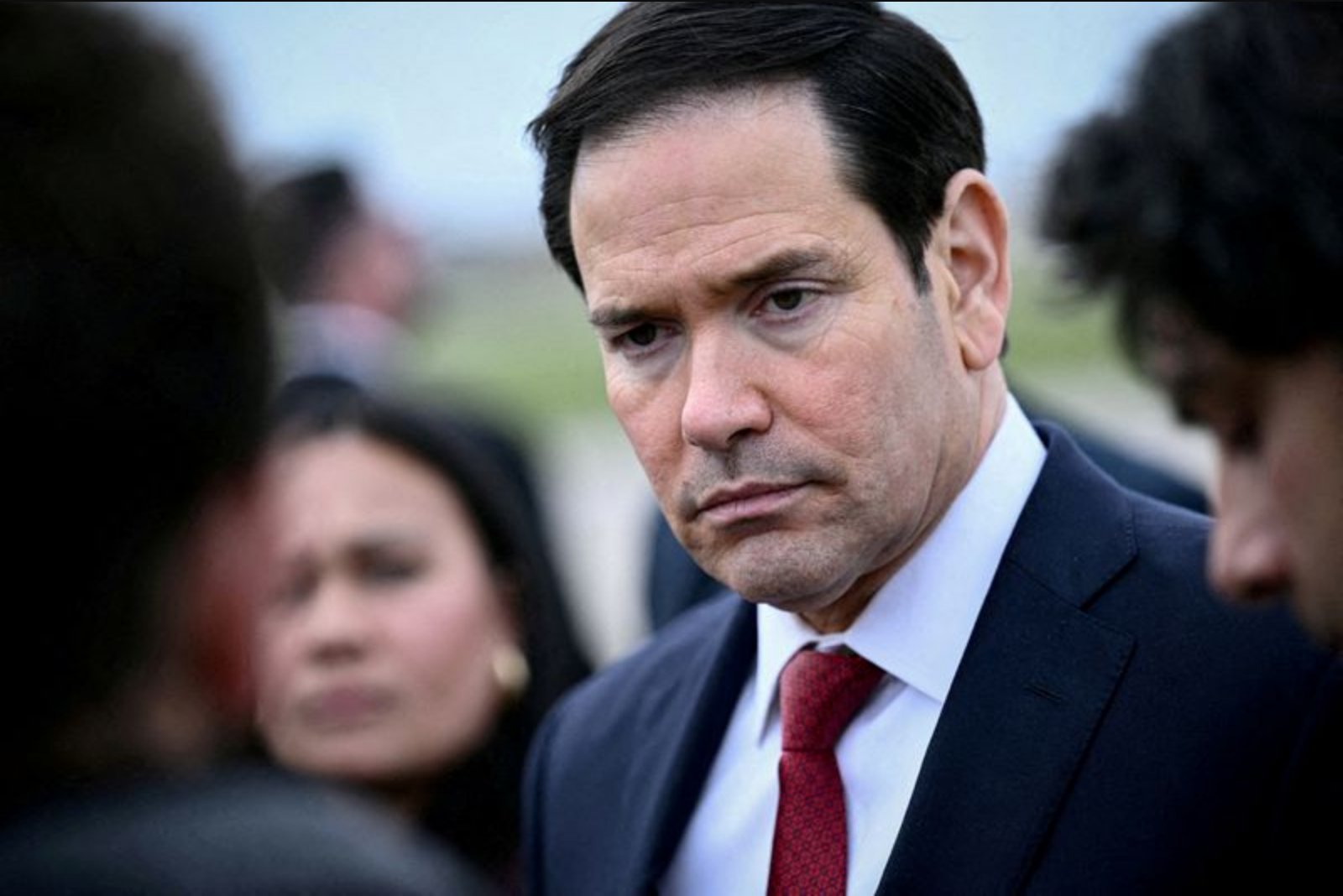
WASHINGTON, April 2 - U.S. Secretary of State Marco Rubio said on Thursday that recent detentions of Panama-flagged ships by Chinese authorities, occurring after a Panamanian court ruling, are cause for serious concern.
The U.S. Federal Maritime Commission (FMC) said last week it is closely tracking a rise in detentions of vessels registered under the Panamanian flag in China. The FMC indicated the increase in detentions appears linked to a decision by Panama’s judiciary concerning a Hong Kong-based operator.
Rubio issued a statement framing China’s actions as troubling, saying that they "raise serious concerns about the use of economic tools to undermine the rule of law in Panama, a sovereign nation and vital partner for global commerce."
late January, Panama’s Supreme Court invalidated the legal framework that underpinned the 1997 concession which granted CK Hutchison’s Panama Ports Company the rights to run the Balboa and Cristobal terminals on the Pacific and Atlantic entrances to the Panama Canal. That judicial cancellation followed mounting U.S. pressure aimed at curbing Chinese influence around the strategic waterway, which handles about 5% of global maritime trade.
In defense of its position, China has stated it firmly opposes the court ruling targeting Hutchison’s port concessions, characterizing the decision as an "act of bad faith."
In a further comment on the Panamanian court decision, Rubio said: "This sovereign ruling upheld transparency, the rule of law, and held private operators accountable to the public interest."
Authorities and observers are monitoring developments closely because the situation links port operations, judicial actions and international responses. The sequence of events in Panama and the subsequent detentions in China have prompted scrutiny from U.S. maritime regulators and concern from senior U.S. officials, reflecting the intersection of legal, commercial and geopolitical elements tied to a key global shipping corridor.
Contextual note - The article reports the statements and official actions as described by the parties involved and by U.S. regulators; it does not introduce additional events or claims beyond those presented by the officials and institutions cited.