
Overview
Pakistan has been developing diplomatic channels with both the United States and Iran that could enable it to host negotiations aimed at ending the Iran war. The country’s positioning reflects more than a year of deliberate outreach to U.S. leadership and sustained contacts with Tehran. If Islamabad succeeds in convening talks, it would mark a notable rise in Pakistan’s global profile, a level of influence not seen since its role in the diplomatic opening that led to a U.S. presidential visit to China in 1972.
Summary of Pakistan’s diplomatic posture
Officials and analysts point to Pakistan’s simultaneous ability to maintain workable relations with Washington and Tehran as the basis for its credibility as a mediator. Islamabad has continued to exchange messages with both sides since the war began, according to multiple Pakistani officials. Those exchanges have included shuttling at least half a dozen messages between the U.S. and Iran.
Pakistan’s government, including the prime minister and foreign minister, has increased the frequency of conversations with regional counterparts over recent weeks. Official releases show more than 30 conversations with Middle Eastern counterparts in the past month, including a series of discussions with Iranian officials. Two of those conversations took place on the same day U.S. officials said mediation efforts were underway.
Recent relationship-building with U.S. leaders
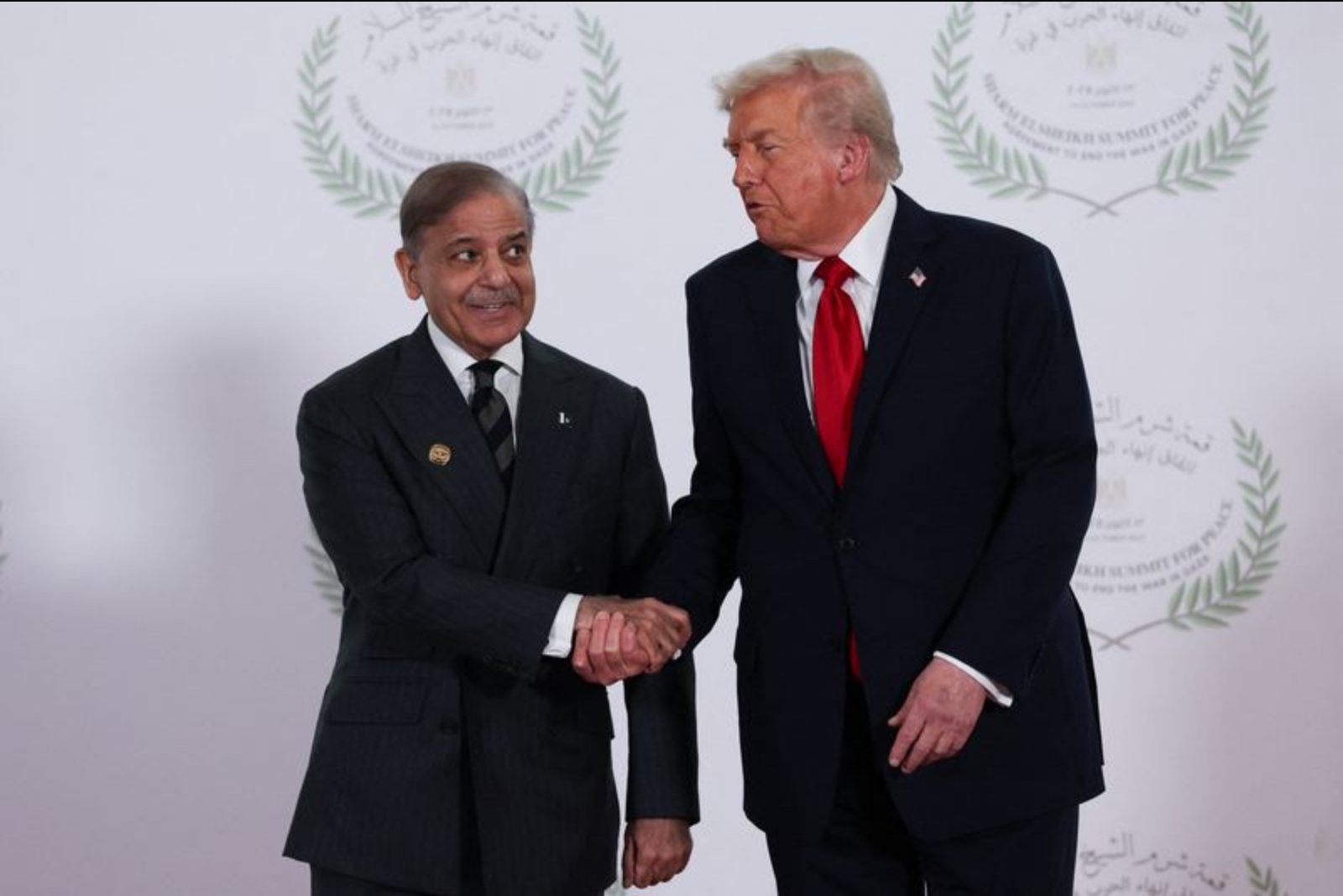
Islamabad’s outreach has also encompassed a visible push to repair relations with U.S. political figures. Pakistan’s army chief has developed a close rapport with former U.S. President Donald Trump, and Pakistan joined an entity described as Trump’s Board of Peace following a meeting in Davos. Additional ties include a deal with a crypto business linked to Trump’s family to adopt a USD1 stablecoin for cross-border payments, and a White House envoy’s role in brokering terms to redevelop the Roosevelt Hotel in New York, a property owned by Pakistan’s national airline.
Sources in Pakistan said that, before the prime minister publicly confirmed an offer to host talks, officials from both the United States and Iran could meet in Islamabad as soon as the end of the week. The Pakistani source indicated that U.S. Vice President JD Vance, an envoy named Steve Witkoff, and Jared Kushner were expected to take part in the discussions.
Why Pakistan may be seen as a credible go-between
Analysts noted several factors that bolster Pakistan’s case as a neutral venue. Observers argue Pakistan’s sustained contact with both Washington and Tehran, combined with a history of strained ties that keeps it at arm’s length from either capital, allows it to be perceived as an independent intermediary. Some analysts describe Pakistan as less adversarial toward Iran than other neighbours while simultaneously maintaining close ties with Saudi Arabia and being trusted by Washington.
Pakistan also retains roles that link it to Iran diplomatically. Since 1979 Iran’s de-facto diplomatic mission to the U.S. has been hosted at Pakistan’s embassy in Washington, a historical arrangement that contributes to Islamabad’s intermediary profile. Geographically, Pakistan shares a sensitive border with Iran across Balochistan province, an area that has hosted a long-running insurgency and where cross-border tensions have occurred; despite clashes along the border in January 2024, relations have been repaired, according to the available account.
Domestic stakes and potential benefits
Ending the war in Iran would carry direct benefits for Pakistan. The country has the world’s second-largest Shi’ite population after Iran and experienced nationwide protests the day after U.S. and Israeli strikes killed Ayatollah Ali Khamenei at the start of the conflict on February 28. Security officials and analysts describe the risk of a prolonged Iran war spilling into Pakistan as one of Islamabad’s primary concerns. Economically, Pakistan has already faced fuel supply disruptions linked to the conflict.
Those considerations add urgency to Pakistan’s diplomatic activity. Officials say Islamabad has been engaged in mediation efforts since the conflict began, using backchannel communications to try to limit escalation and to keep open lines that many other countries lack.
Constraints and strategic calculations
Pakistan’s recent mutual defence agreement with Saudi Arabia, signed in September, commits both countries to come to each other’s aid. That arrangement influences Islamabad’s calculus and has led Pakistani leaders to emphasize to Tehran that Pakistan remains mindful of the pact. Pakistani officials have stated that while the country is bound by the agreement, it is working to avoid being drawn into the conflict, using its backchannels to negotiate and reduce risks. Pakistani security sources said Islamabad is seeking to remain outside the fighting even as it reminds Iran of the pact.
Officials have also noted direct contact between Pakistan’s military leadership and U.S. political figures. A phone call between Pakistan’s army chief and Trump was confirmed by the White House on the same day mediation efforts were publicly acknowledged.
Analyst assessments
Commentators see Pakistan’s potential to host U.S.-Iran talks as a noteworthy elevation of its strategic role. One observer described hosting such talks as a major upgrade in Islamabad’s standing, portraying Pakistan as re-emerging as a significant American partner in West Asia after years of being seen as a troubled state. Other analysts framed Pakistan as Iran’s least adversarial neighbour while also being trusted by Washington and maintaining close ties with Saudi Arabia.
Summary
Pakistan’s combination of direct contacts with both Washington and Tehran, recent diplomatic outreach to U.S. figures, and regional ties position it as a potential venue for U.S.-Iran talks to end the war. Islamabad’s motivations include a desire to avert spillover of violence, restore disrupted fuel supplies, and stabilize domestic security in the face of sectarian protests. Yet its mutual defence obligations and regional dynamics shape the limits and risks of that diplomatic path.
Key points
- Pakistan has maintained direct communications with both the U.S. and Iran and has relayed multiple messages between them, underpinning its capacity to act as a mediator - sectors impacted: diplomacy, defence, energy.
- Recent relationship-building with influential U.S. figures, including participation in a Board of Peace and business links tied to a USD1 stablecoin for cross-border payments, reflects Islamabad’s multifaceted approach to strengthening ties with Washington - sectors impacted: finance/crypto, real estate.
- Ending the Iran war would deliver tangible benefits to Pakistan by reducing the risk of cross-border spillover and easing fuel disruptions that have affected the domestic economy - sectors impacted: energy, domestic security.
Risks and uncertainties
- Prolonged conflict in Iran could spill into Pakistan, heightening security threats across border regions and potentially disrupting energy supplies - sectors at risk: security, energy.
- Domestic unrest following high-profile strikes, including nationwide protests after the killing of Iran’s leader at the start of the conflict, raises the risk of internal instability - sectors at risk: public safety, commerce.
- Pakistan’s mutual defence commitment with Saudi Arabia constrains its strategic options and could complicate efforts to remain neutral if the regional situation intensifies - sectors at risk: defence, foreign policy.
Note: This article reflects reported statements, official releases, and sources indicating Pakistan’s diplomatic activity and the potential for hosting U.S.-Iran talks. Details about participants and timing were described by Pakistani sources and official communications as reported.