
March 25 - Oil futures staged a sharp retreat in Asian trading on Wednesday, driven by signs that tensions in the Middle East might ease and with that the perceived risk to global crude flows.
As of 21:18 ET (01:18 GMT), Brent oil futures expiring in May were down 6.3% at $97.90 per barrel. West Texas Intermediate (WTI) crude futures fell 5.2% to $87.52 per barrel.
The slide followed media reports that the United States had delivered a 15-point plan to Iran intended to bring an end to the conflict in the region. Market participants interpreted the report as raising the probability of a ceasefire and reducing the risk of disruptions to critical shipping lanes, notably the Strait of Hormuz.
U.S. President Donald Trump said Washington was "in negotiations right now" with Iran, and added that Tehran was "talking sense" and appeared eager to strike a peace deal. He had earlier described talks with Iran as "productive" on Monday. Those comments, however, were counterbalanced by denials from Iranian officials that any negotiations were taking place, leaving the situation uncertain.
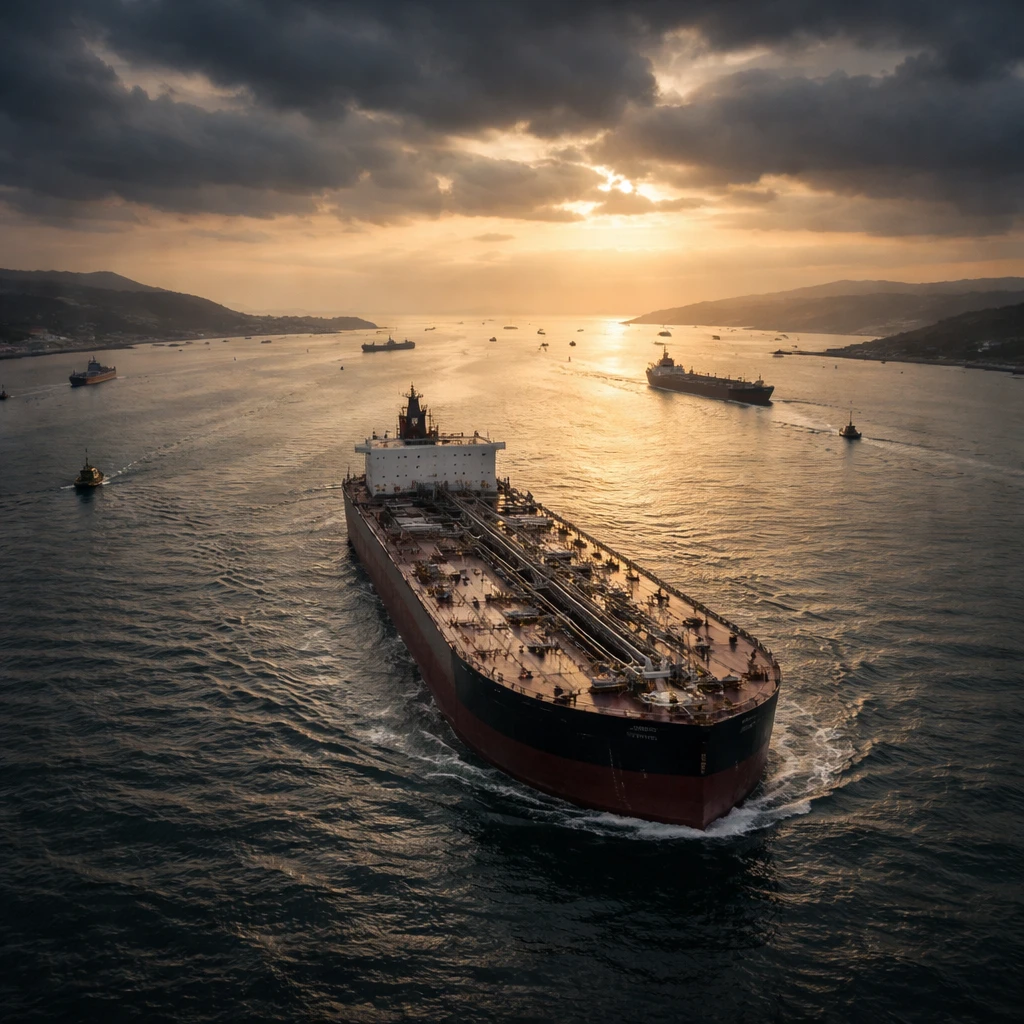
Oil markets had been bid higher in recent sessions on fears that escalating tensions could interrupt supplies from the Middle East, a major producing region. Much of the concern focused on the Strait of Hormuz, a critical chokepoint for global crude shipments.
Wednesday's rapid selloff represented a swift unwinding of the geopolitical risk premium that had built into oil prices. Traders and analysts noted that the prospect of de-escalation was pressuring prices lower, even as conflicting signals from Washington and Tehran were likely to sustain volatility.
The moves underscored how sensitive oil markets remain to developments around the Middle East and how quickly sentiment can shift when reports suggest a reduced likelihood of supply disruption. At the same time, the mixed messaging from the two capitals left scope for renewed price swings should the dialogue falter or be publicly contradicted.
Market implications
- Energy prices fell sharply as traders adjusted positions in response to potential de-escalation.
- Shipping routes and sectors tied to crude transport remained focal points for risk assessment given the role of the Strait of Hormuz.
- Volatility in oil and related markets is likely to persist while official positions from Washington and Tehran remain ambiguous.