
Oil markets fell sharply early on Thursday amid hopes that the United States might reduce its involvement in the war with Iran, a development traders expect could ease near-term geopolitical pressure on crude prices.
By 1204 GMT, Brent crude futures had declined $1.16, or 1.15%, to $100.00 per barrel. U.S. West Texas Intermediate (WTI) futures were down $1.41, or 1.41%, at $98.71 per barrel. Both contracts had already ended the previous trading session on a weaker note.
The move came as markets awaited a 9 p.m. EDT (0100 GMT on Thursday) national address by President Donald Trump. Hours before that planned speech, Trump told Reuters that the U.S. will end the war on Iran "fairly soon." That comment added to a broad expectation of a dovish tone from the forthcoming address.
"The overnight sell-off gathered pace on mounting hopes that the Iran conflict could finally be winding down," said Tony Sycamore, a market analyst at IG, in written comments. He noted that market participants widely anticipated a decidedly dovish message in the speech.
Analysts stressed that a U.S. withdrawal by itself would not automatically remove all supply and transportation risks for oil.
Sycamore warned that an exit without a formal ceasefire that secured free passage through key waterways could leave regional allies and energy infrastructure exposed to Iranian strikes, and that such exposure would keep a persistent risk premium in oil prices.
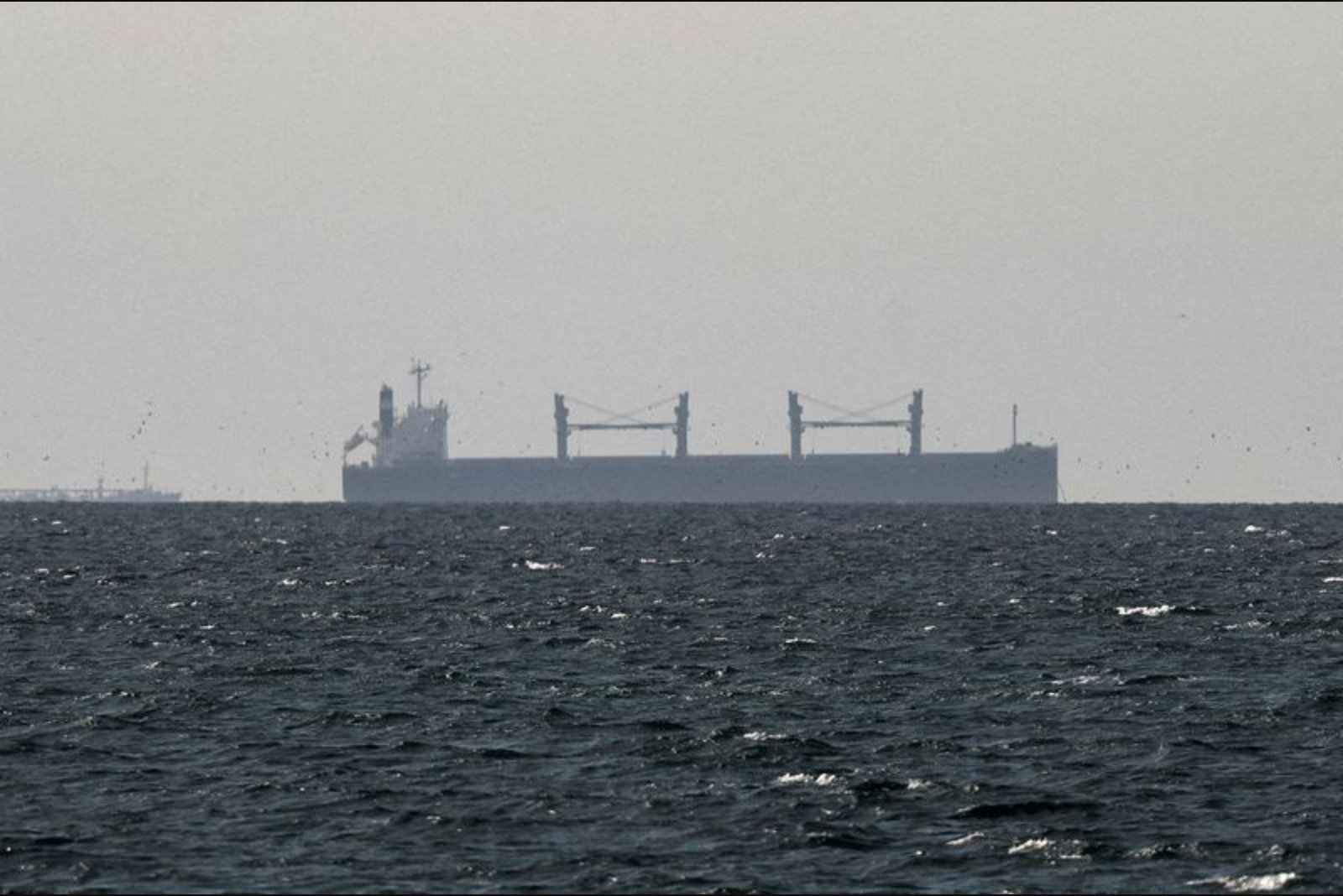
Those concerns are underscored by growing threats to maritime traffic as the conflict spreads across the region. On Wednesday, the defence ministry of Qatar said an oil tanker leased to QatarEnergy was struck by an Iranian cruise missile in Qatari waters.
Compounding the market’s sensitivity to potential supply disruption, the head of the International Energy Agency cautioned on Wednesday that disruptions to supply would begin to affect Europe’s economy in April. The IEA head said Europe had until now been protected in part by cargoes contracted before the war began.
Market participants are therefore weighing two competing dynamics: hopes that U.S. retrenchment could reduce tension and ease oil prices, versus the ongoing threat to shipping and energy assets that could sustain a premium on crude if maritime passage and regional security remain unresolved.