
Oil benchmarks showed mixed moves on Wednesday as the market digested supply strains triggered by recent weather and overseas outages. By 0122 GMT, Brent crude futures were at $67.51 a barrel, down 6 cents or 0.1%, while U.S. West Texas Intermediate (WTI) traded at $62.43 a barrel, up 4 cents or 0.1%. Both contracts had climbed roughly 3% on Tuesday.
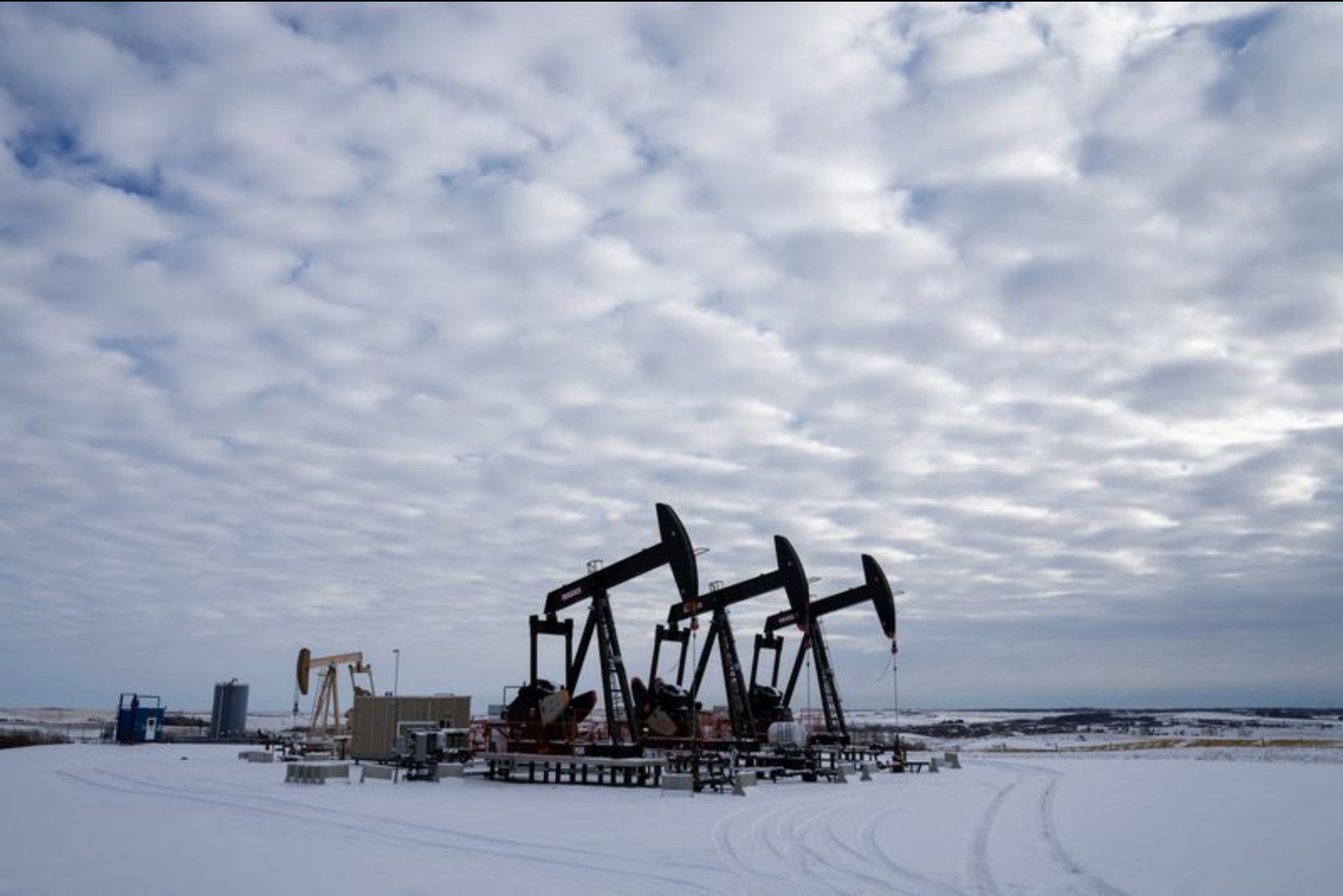
The market reaction follows an intense winter storm over the weekend that analysts and traders estimate led U.S. producers to lose as much as 2 million barrels per day - roughly 15% of national output - as energy infrastructure and power grids came under stress. Ship tracking service Vortexa reported that crude and liquefied natural gas exports from U.S. Gulf Coast ports fell to zero on Sunday.
Commenting on the market dynamics, Toshitaka Tazawa, an analyst at Fujitomi Securities, said: "The impact of the U.S. cold snap and concerns over supply disruptions in Kazakhstan are supporting prices, but once supply fears ease, selling pressure is likely to return." He added that the interplay between a projected supply surplus for the year and geopolitical tensions in the Middle East could leave WTI trading around $60 a barrel for the near term.
In Kazakhstan, Tengiz - the country's largest oilfield - is recovering from a fire and a power outage. Two sources familiar with the matter said Tengiz is likely to restore less than half of its normal production by February 7 as recovery proceeds slowly.
Meanwhile, the Caspian Pipeline Consortium (CPC) said it has resumed full loading capacity at its Black Sea terminal after finishing maintenance on one of its three mooring points, reducing one element of logistical constraint on exports from the region.
Heightened geopolitical attention also factored into market sentiment. A U.S. aircraft carrier and supporting warships have arrived in the Middle East, two U.S. officials said, an action described as expanding President Donald Trump’s ability to protect U.S. forces or potentially take military action against Iran.
On the policy front, OPEC+ - the group of OPEC members together with Russia and other allies - is set to keep a pause on increasing oil output for March, according to three delegates. That decision sustains a cautious approach to supply adjustments as the group meets on February 1.
Inventory data added further layers of uncertainty. An extended poll showed U.S. crude oil and gasoline stockpiles were expected to have risen in the week ended January 23, while distillate inventories were likely to have fallen. By contrast, market sources citing American Petroleum Institute figures said U.S. crude and gasoline stocks actually declined while distillate inventories increased last week.
With supply interruptions at home, production constraints abroad and mixed inventory signals, market participants are navigating competing forces that are keeping price direction uncertain in the short term.