
Oil markets moved higher on Wednesday following reports that negotiations scheduled between the United States and Iran might not proceed as planned, pushing U.S. crude and Brent prices up by roughly 3.5% and 3.4%, respectively.
By 1:35 p.m. ET, U.S. crude had climbed $2.12, or about 3.5%, trading above $65.30 a barrel. Global benchmark Brent increased $2.28, or 3.4%, to $69.60 a barrel.
The rise in prices followed an Axios report that said the two countries disagreed over where and how a meeting set for Friday would be conducted. Both sides initially agreed to an Istanbul meeting with other Middle East countries participating as observers, the report said. Tehran subsequently sought to change the arrangement to a bilateral meeting in Oman. U.S. officials reportedly considered that proposal but ultimately rejected it, and Iran was said to be unwilling to return to the original Istanbul format.
Axios added that talks could still occur this week or next if Iran consents to revert to the earlier plan for the meeting.
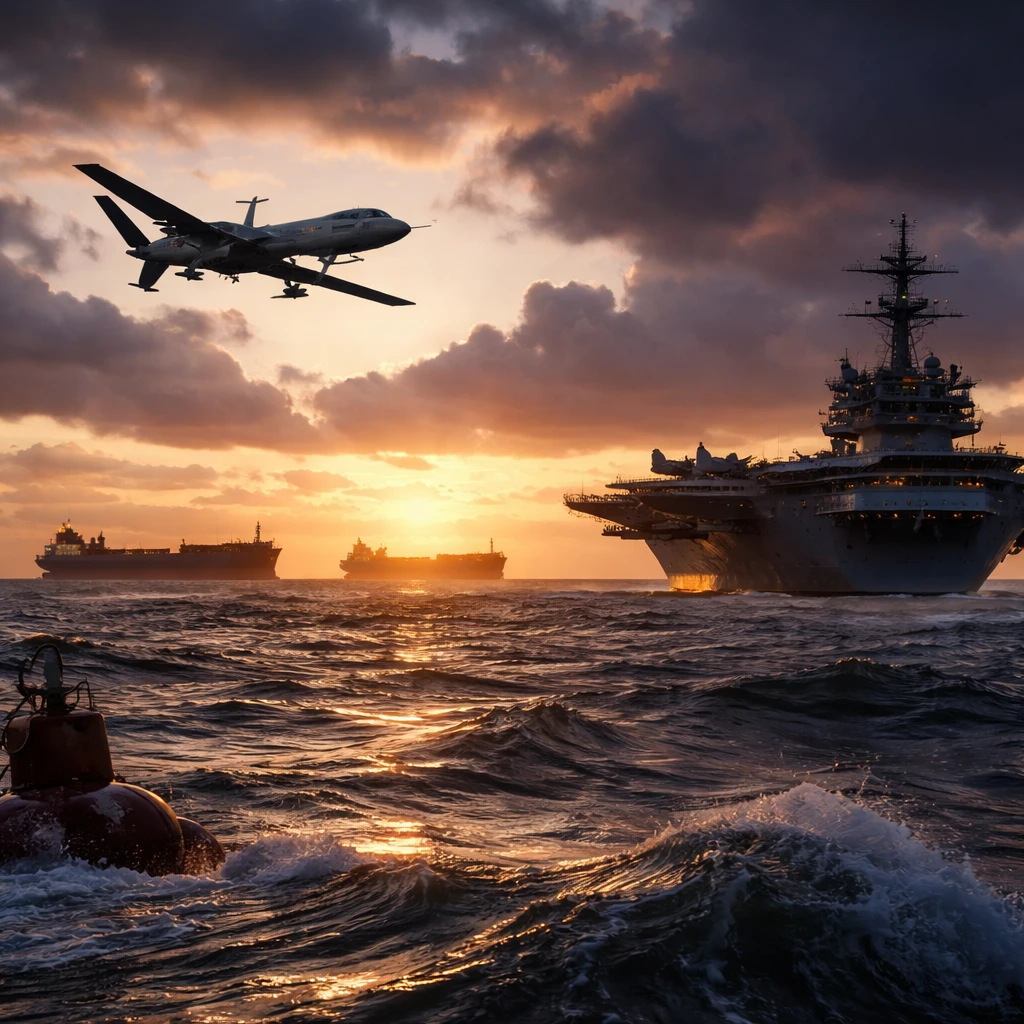
Market participants noted the diplomatic stand-off comes amid elevated regional tensions. U.S. military authorities reported on Tuesday that they had shot down an Iranian drone that approached the USS Abraham Lincoln aircraft carrier. Separately, the U.S. President has warned of possible military strikes against Iran should Tehran fail to accept terms governing its nuclear program.
The combination of a potential diplomatic collapse and recent military incidents appears to have lifted near-term risk premia on oil, contributing to the midafternoon gains in crude benchmarks.
Summary of events
- Reported disagreement over meeting location and format between the U.S. and Iran prompted a spike in oil prices.
- U.S. crude rose $2.12 to above $65.30 a barrel; Brent rose $2.28 to $69.60 a barrel as of 1:35 p.m. ET.
- Heightened tensions include a U.S. military downing of an Iranian drone and presidential warnings of military action if Iran does not agree to nuclear terms.
The situation remains fluid. According to the reporting, a rescheduled meeting could still take place if Tehran agrees to the original Istanbul format.