
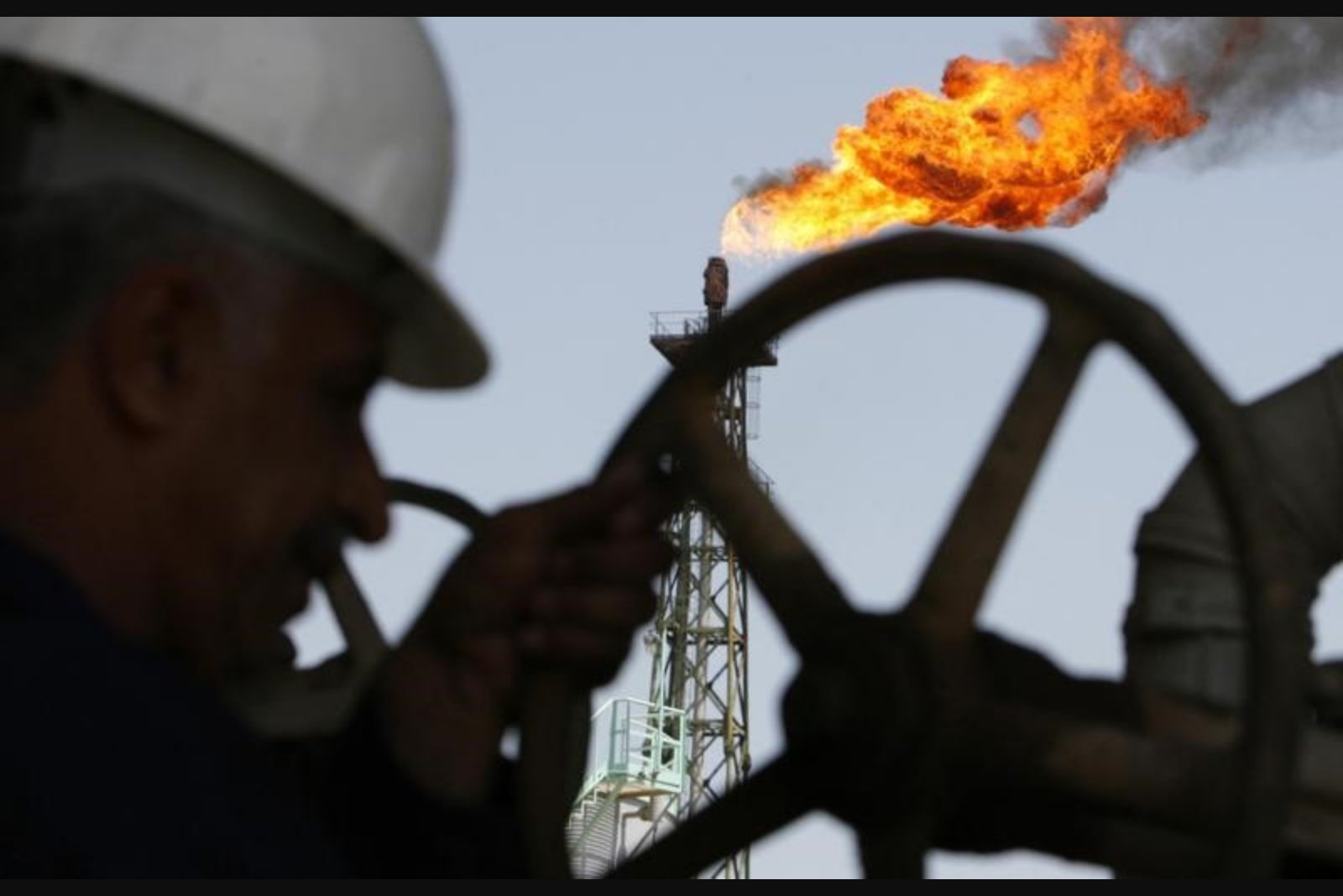
Oil traded near multi-year highs in Asian hours as traders parsed contradictory signals about the Iran conflict and its implications for global supply.
As of 20:18 ET (00:18 GMT), Brent futures for June delivery were up 0.5% at $104.47 per barrel, while West Texas Intermediate crude for May delivery gained 0.8% to $102.21 per barrel.
In the prior session, the May Brent contract had settled roughly 5% higher at $118.31 a barrel, while the May WTI contract closed lower at $101.62. Market participants noted that Brent posted a record monthly increase of more than 63% in March, a performance driven by concerns around prolonged supply interruptions.
Political signals were mixed. The U.S. president said on Tuesday that Washington could withdraw from the conflict within "two to three weeks," and added that "Iran doesn't have to make a deal to end the conflict." A separate report indicated the president told aides he was prepared to conclude the U.S. military campaign against Iran even if the Strait of Hormuz remains largely closed.
On Tehran's side, state media quoted President Masoud Pezeshkian as saying Iran was prepared to end the war, while he reiterated several key demands. Those remarks suggested that negotiations could take place but would be subject to conditions.
Despite the diplomatic chatter, price movements were muted as traders balanced the potential for a ceasefire against ongoing disruptions to supply. The Strait of Hormuz - a vital conduit responsible for roughly a fifth of global oil flows - has experienced a dramatic collapse in tanker traffic amid the conflict, sharply curtailing exports and maintaining upward pressure on prices.
Adding to concerns about structural supply risk, Mike Sommers, chief executive officer of the American Petroleum Institute, highlighted the central importance of reopening the strait. Sommers called reopening the strait "the critical piece" to stabilise global markets, warning that without restored flows oil prices would continue to rise across major consuming regions.
The combination of sustained reductions in physical flows through the Strait of Hormuz and the possibility of a phased U.S. military withdrawal has left oil markets navigating a complex mix of optimism and caution. Traders are therefore weighing near-term diplomatic developments against the immediate impact of constrained exports.
With prices elevated, market-watchers are monitoring both the pace of any diplomatic progress and indicators of actual restoration of tanker movements through the strait. Until flows visibly recover, the structural supply risk flagged by industry leadership is likely to remain a key driver of market direction.
Note: This report reflects market prices and quotes cited above and statements attributed to public figures and industry officials in the context provided.