
Commodities January 20, 2026

Natural Gas Prices Spike 25% Amid Forecasted Winter Storm and Heating Demand

Anticipated severe cold weather prompts sharp increase in natural gas futures as market braces for heightened consumption

By Marcus Reed
Natural Gas Prices Spike 25% Amid Forecasted Winter Storm and Heating Demand

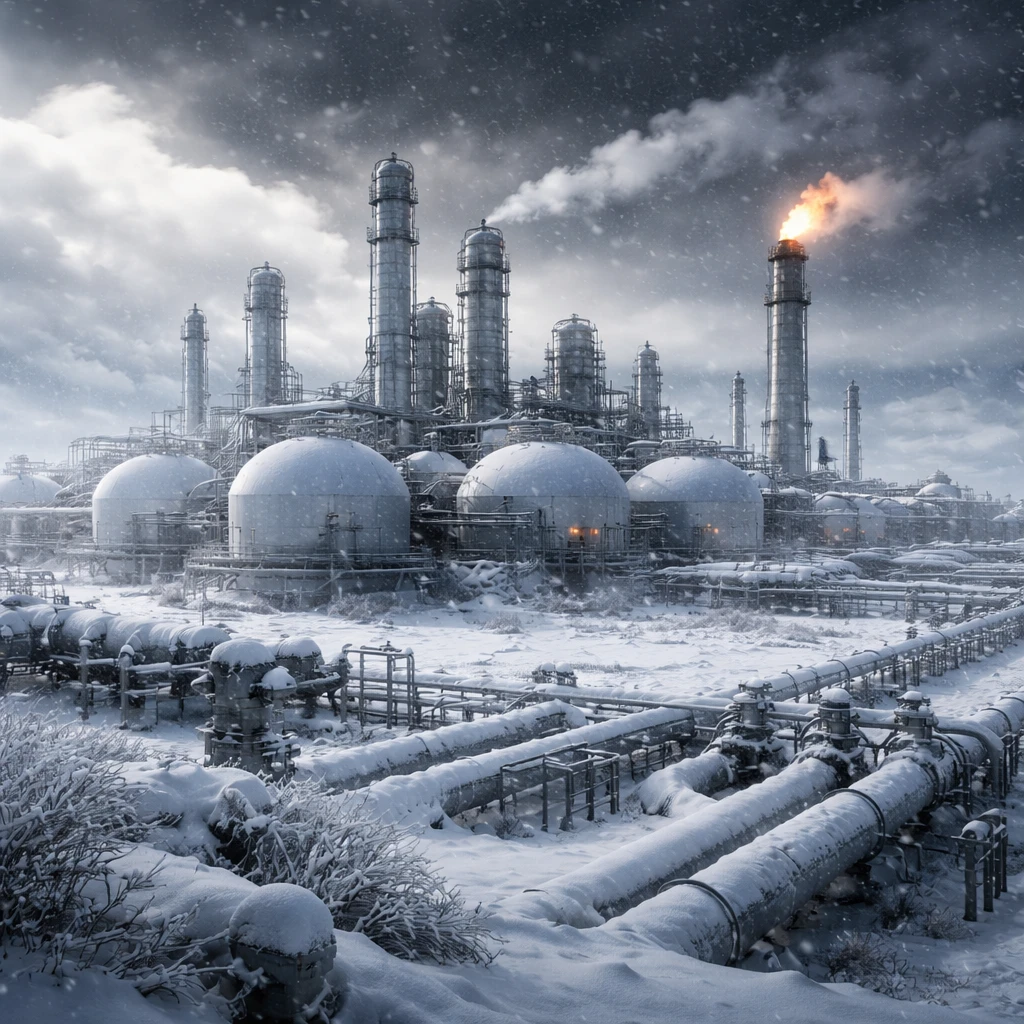
Natural gas futures experienced a significant increase of 25%, reaching $3.88 per MMBtu early Monday, driven by forecasts of an intense winter storm expected to elevate heating requirements across much of the United States. The sudden surge highlights the commodity's responsiveness to weather forecasts, with traders rapidly adjusting positions amid concerns about supply and demand dynamics.

Key Points

  • Natural gas futures surged 25% to $3.88 per MMBtu on Monday morning due to forecasts of severe winter weather increasing heating demand across the U.S.
  • The price spike is driven by the approach of a Bomb Cyclone, a storm system causing sudden temperature drops and heavy snow, prompting utilities and consumers to secure gas supplies swiftly.
  • Market volatility in natural gas prices remains highly influenced by changing weather forecasts, particularly in the winter heating season, causing sharp fluctuations based on demand expectations.

Natural gas futures rose sharply by 25%, reaching a settlement price of $3.88 per million British thermal units (MMBtu) by 8:19 a.m. Eastern Time on Monday. This upswing occurred as an impending winter weather system raised concerns about increased heating demand across broad regions of the United States.

Energy traders noted that forecasts predict an unusually cold spell, likely to drive greater consumption from both residential and commercial sectors during a period when the market was already poised for volatility. Pete Gallagher, an energy trader at Mizuho, described the price movement as "parabolic," observing that the acceleration reflected a rush among investors to recalibrate their market positions.

The primary catalyst for this sharp increase is attributed to a Bomb Cyclone advancing across the country. This powerful meteorological event is characterized by rapid temperature declines, accompanied by heavy snowfall and strong winds. Historical patterns suggest such systems can cause abrupt fluctuations in energy markets, as utilities and end users accelerate efforts to secure necessary natural gas supplies.

This recent rally in natural gas costs underscores the commodity’s pronounced sensitivity to weather fluctuations, particularly during winter when heating demand dominates consumption cycles. Even slight revisions in weather projections can trigger significant price volatility. Moreover, the current surge reflects ongoing market reassessments that cold conditions may persist longer than earlier anticipated, potentially tightening supply and maintaining elevated volatility levels.

The magnitude of Monday’s price jump contrasts sharply with recent downward trends in the market. Natural gas prices had declined considerably since early December, when values peaked above $5.20 per MMBtu, fueled by a cold polar vortex and robust export demand. At that time, prices had not surpassed the $5 per MMBtu threshold since 2022.

Risks

  • Continued cold weather conditions may sustain heightened natural gas demand, potentially leading to supply constraints and further price volatility affecting utilities and end consumers.
  • Abrupt weather-driven market swings present risks for energy traders and logistics operators reliant on stable natural gas supply and cost projections.
  • The unpredictability of storm durations and intensities creates uncertainty in natural gas market pricing, which could impact sectors dependent on energy cost stability such as manufacturing and transportation.

More from Commodities

Precious Metals Plunge Sends Ripples Through Global Markets Feb 2, 2026 Gold Plunge Intensifies After CME Margin Hikes and Warsh Nomination Spurs Market Reassessment Feb 2, 2026 European Gas Prices Plunge as Forecasts Turn Milder Feb 2, 2026 BCA's MacroQuant Sees Dollar Weakness; Boosts Oil, Copper and Gold Calls Feb 2, 2026 Russian Oil Transit Through Ukraine Falls to Decade Low Amid Pipeline Strikes Feb 2, 2026