
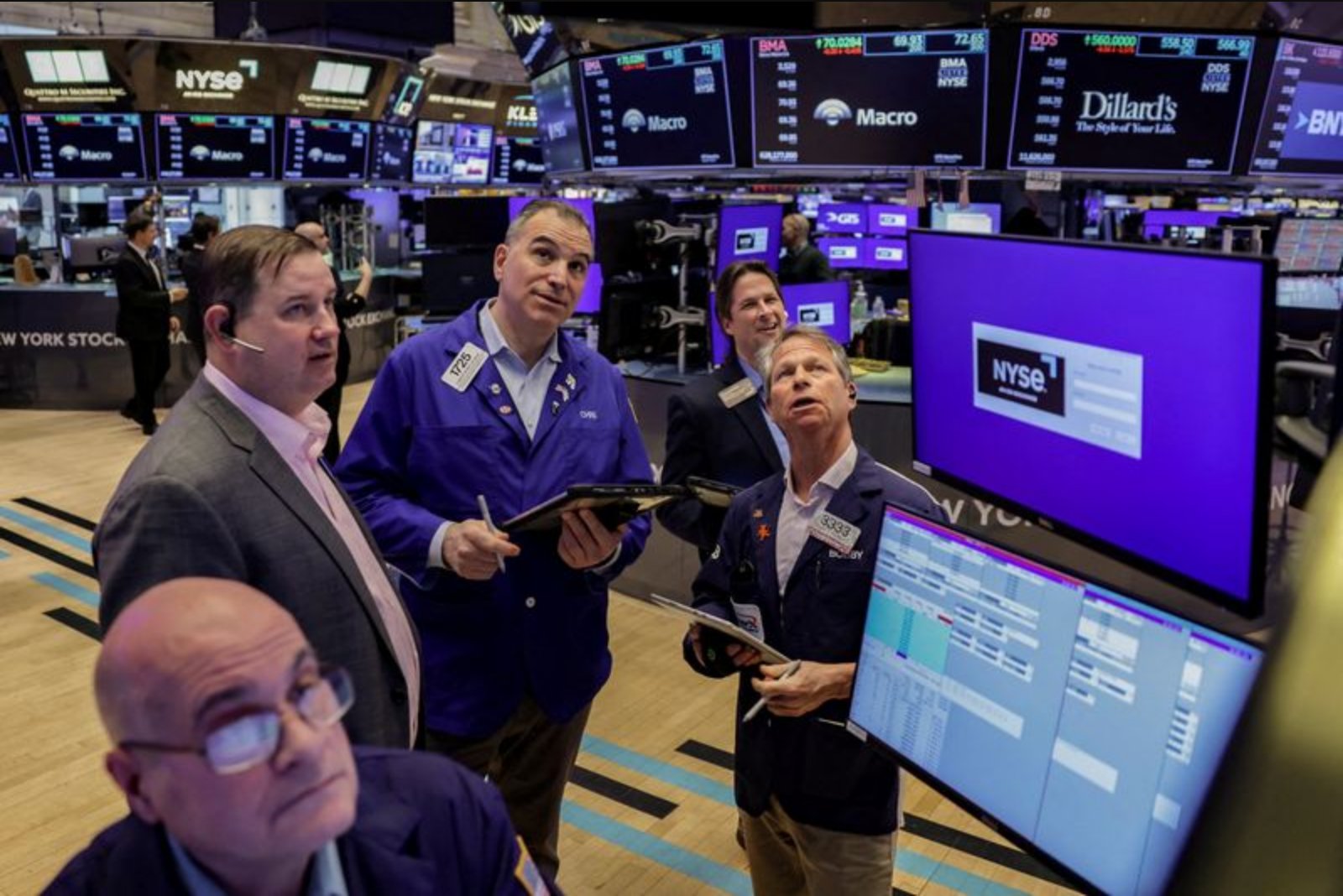
Market snapshot
Financial markets shifted back toward risk aversion overnight after a prime-time presidential address that set expectations for another two to three weeks of military action in Iran. Energy markets led the reaction, with Brent crude rising to near $109 per barrel and U.S. West Texas Intermediate (WTI) moving to just above $107 per barrel. The remarks, which included the lines that the U.S. military had almost achieved its goals in Iran but would "hit them" over the coming weeks and "bring them back to the Stone Ages", provided little new clarity on access to the strategically critical Strait of Hormuz.
Equities and safe havens
The higher oil price accompanied a broad retreat in share prices. Asian markets closed lower, with Japan's Nikkei off about 2.4% and South Korea's Kospi down roughly 4.7%. European bourses opened around 1% weaker, and U.S. futures were trading in negative territory ahead of the session. The dollar index reversed two days of losses and reclaimed the 100 level as investors sought safe-haven assets, while gold eased off the two-week highs it had reached amid earlier hopes of de-escalation. U.S. Treasury prices also moved lower.
Macroeconomic backdrop
Investors are entering a long Easter weekend with elevated uncertainty about how events will evolve. Adding a near-term data focal point is the release of the U.S. employment report on Good Friday, which should provide another read on whether the conflict is feeding through to the real economy. Presently, several early March economic indicators point toward resilience rather than a sharp slowdown: the ISM manufacturing survey edged up, U.S. consumer confidence rose unexpectedly, private sector payrolls exceeded forecasts, and full-year corporate earnings growth estimates have actually risen.
That combination - sharply higher input costs alongside persistent activity - is a scenario that may keep central banks vigilant. Whether the real-economy effects of the latest shock materialize immediately or with a lag remains unclear, but the initial data do not yet show the deep hit some had feared.
Sectoral and energy implications
From an energy and utilities perspective, the rebound in crude prices signals higher near-term input costs for fuel-dependent sectors and potential upside pressure on refining and transportation costs. The strength in oil also tends to lift inflationary pressures, which could influence monetary policy stances if sustained. Flight recovery patterns are being affected regionally - for example, air travel in and out of the United Arab Emirates is only slowly recovering from the initial shock of the Iran conflict.
Other market-moving developments
Outside geopolitics and macro data, several sizable corporate and technology stories are on investors' radars. As NASA plans return trajectories near the moon for the first time in roughly half a century, SpaceX has filed for an initial public offering - a move that could produce one of the largest debuts ever and that will test investor appetites for large, risk-on offerings in an unsettled market environment. Separately, Amazon is reported to be in discussions to acquire satellite telecom operator Globalstar as it seeks to build a low-earth-orbit satellite capability to rival Starlink.
Chart of the day
Air travel in and out of the United Arab Emirates continues to show only gradual recovery following the initial shock from the Iran conflict, amid the prospect of additional weeks of military action signaled by the presidential address.
Events to watch - U.S. timing
- U.S. weekly jobless claims (8:30 a.m. EDT)
- U.S. February trade balance (8:30 a.m. EDT)
- Speech by Dallas Fed president Lorie Logan (10:15 a.m. EDT)
Note: Market participants will be digesting the employment report on Good Friday for further signs of the real economy's response to higher energy prices and the geopolitical shock.