
Overview
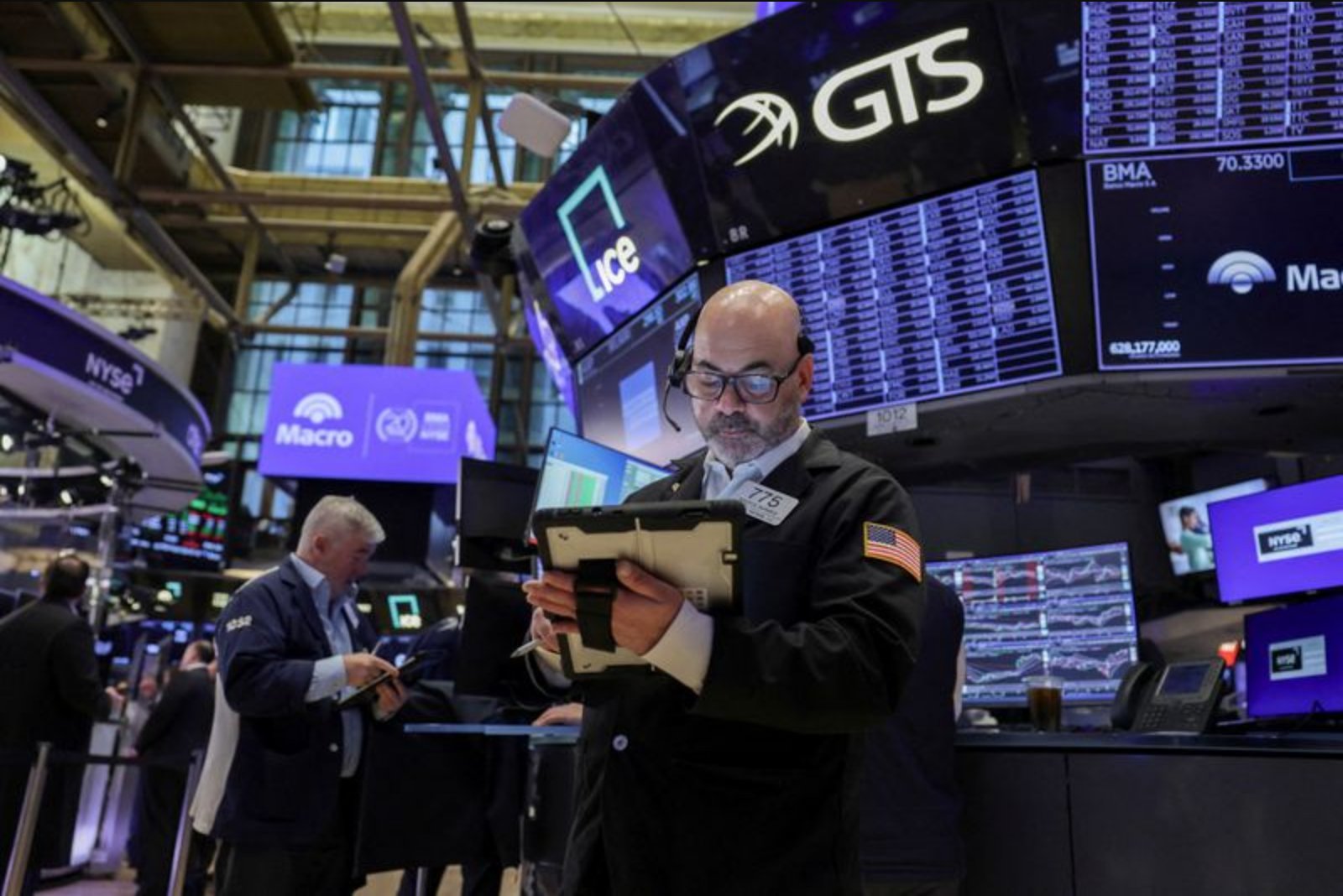
Markets opened the new quarter with a pronounced relief rally after commentators and market participants seized on the phrase "off ramp" to describe possible moves toward winding down the Iran conflict. The S&P 500 jumped almost 3% on Tuesday - its biggest single-session advance since last May - and the rally extended across assets that had been pressured by the conflict, including sovereign bonds, corporate credit markets and gold.
The immediate catalysts cited by traders included statements from President Trump and Secretary of State Marco Rubio indicating the United States could be poised to wind down military engagement. Those statements followed reports that Iranian President Masoud Pezeshkian was prepared to discuss a ceasefire if provided guarantees that further attacks would not be repeated.
Energy and safe havens
Oil prices moderated from recent elevated levels amid the improvement in risk sentiment. Brent crude traded around $103 per barrel on Wednesday morning, while West Texas Intermediate was near $100 after earlier dipping below that mark. Despite the apparent easing, exchanges of missiles and drones in the Gulf region continued, leaving physical risk in place.
Gold climbed to a near two-week high before trimming some gains as broader risk appetite improved. The dollar eased slightly versus a basket of major currencies, and the yen remained under pressure but held below the 160-per-dollar threshold.
Regional market moves and macro signals
Month-end and quarter-end flows, along with a holiday-shortened trading week, likely amplified the scale of Tuesday's moves. Still, the rebound was not confined to U.S. exchanges: Asian markets followed with sharp gains in Japan and South Korea, while European bourses also advanced and U.S. futures showed the prior session's gains largely intact ahead of the Wednesday open.
Investors were also parsing mixed U.S. economic data. Consumer confidence for March surprised on the upside, prompting questions about household sentiment amid recent volatility. That improvement contrasted with weaker readings in the February job openings report, which suggested some softening in labor demand.
Asia: factories and semiconductors
In Asia, headline factory activity slowed in March amid higher fuel costs, but South Korea bucked the regional trend. Korean manufacturing activity expanded at the strongest pace in more than four years, driven by semiconductor demand. The same demand for chips - notably from AI-related applications - helped push South Korean export growth to a four-decade high.
Corporate signals and upcoming data
Corporate developments added to the market narrative. Nike warned of an unexpected drop in fourth-quarter sales, sending its shares down more than 9% in extended trading. The company said persistent weaknesses in China and slow progress in clearing older inventory were hampering its turnaround. Nike said it is reducing selling in China while it works through excess stock, and it expects China sales to fall by about 20% next quarter.
Attention in the United States shifts to additional economic releases later in the day - the March private sector payroll update from ADP and February retail sales - and to March manufacturing PMIs. Market participants are also gearing up for the Q1 corporate earnings season, noting that full-year earnings growth estimates have, so far, not been materially altered by the recent energy price shock.
Events to watch
- U.S. March ADP private payrolls (8:15 a.m. EDT)
- U.S. February retail sales (8:30 a.m. EDT)
- March manufacturing PMIs (10 a.m. EDT)
- President Trump delivers an update on Iran (9 p.m. EDT)
- Speeches by Fed officials Michael Barr and St. Louis Fed's Alberto Musalem
The combination of geopolitical developments, macroeconomic releases and corporate updates is likely to determine whether the early-April rally consolidates or gives back ground in the sessions ahead.