
President Trump issued a 48-hour deadline for Iran to fully reopen the Strait of Hormuz, a demand that expired on Monday and helped push global markets into a broad selloff as the Middle East conflict widened. Threats from both sides - including the president's warning to "obliterate" Iran's major power plants and Tehran's vow to strike energy and water infrastructure across the Gulf in retaliation - have left markets braced for further disruption rather than any signs of de-escalation. We are now in the fourth week of the war.
Markets reacted swiftly and severely. The global Brent benchmark for crude climbed above $113 per barrel on Monday morning, while West Texas Intermediate reached $100 before easing. Those moves have already started to show up in consumer prices at the pump, with average U.S. retail gasoline prices now pressing toward $4 per gallon.
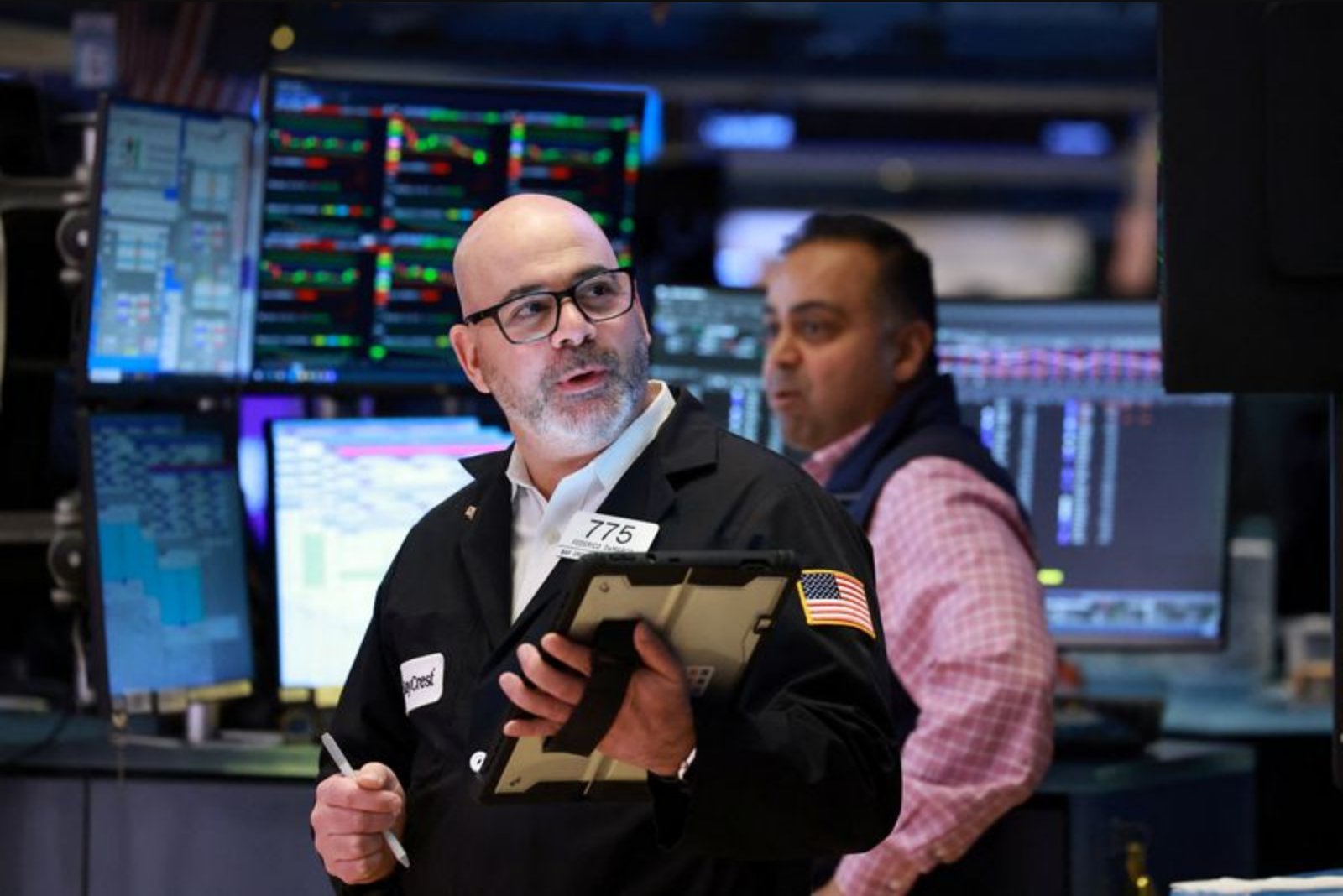
Equities were broadly weaker. In Asia, major indexes retreated on Monday - Japan's Nikkei fell 3.5% to leave its losses for March exceeding 12% so far, and South Korea's KOSPI dropped nearly 6%, triggering a trading curb for the fourth time this month. MSCI's global equity gauge slid to its lowest level since November 2025. European markets also opened in the red, with the STOXX 600 down more than 2% and touching a four-month low as Wall Street futures traded lower ahead of the open.
At the same time, fixed income markets offered no sanctuary. Government bonds were sold across regions, extending last week's retreat. The yield on the 10-year U.S. Treasury rose to its highest level in nine months, and futures pricing now reflects no additional Federal Reserve easing this year. Indeed, fed funds futures assign roughly a 75% probability of at least one rate increase by year end. Concerned about the inflationary implications of a spike in energy costs, money markets also now expect three rate hikes from each of the European Central Bank and the Bank of England over the remainder of the year.
Investors who would typically rotate into safe assets found limited options. Gold, traditionally viewed as a hedge against geopolitical risk and inflation, plunged more than 8% on Monday to its lowest point of the year, following its largest weekly percentage loss in about 43 years last week. That decline has been framed as a reversal of last year's speculative surge, with some investors liquidating top-performing positions to raise cash. With government bonds under pressure as well, cash has emerged as the preferred refuge for many market participants. The dollar edged higher against a basket of major currencies.
Currency volatility has drawn policy attention. The Japanese government indicated it stands ready to act to address foreign exchange swings after the yen moved nearer to the 160 per dollar mark. The currency has remained weak despite recent hawkish rhetoric from Bank of Japan Governor Kazuo Ueda.
Energy markets look set for further upward pressure as threats and attacks in the Gulf continue. The International Energy Agency is considering the release of oil from strategic stockpiles, and IEA chief Fatih Birol said such releases would occur "if necessary," adding that reopening the Strait of Hormuz remained "the only real solution." Even with potential coordinated releases being discussed, the conflict's direct impact on supply and on market psychology appears to favor higher prices.
Chart of the day
Gold's sharp drop - more than 8% on the day and a record weekly slide in decades - stands out as a notable market dynamic. Rather than acting as a consistent hedge amid the geopolitical shock, the metal has seen a reversal of the speculative buying that powered its strong performance last year. That shift has amplified the impression that investors are moving into cash and away from previously high-flying assets as rates expectations adjust higher.
Near-term calendar
- EU March flash consumer confidence (11:00 AM EDT)
- European Commission President Ursula von der Leyen begins a three-day visit to Australia
For listeners, the latest episode of the Morning Bid podcast reviews today's global market rout and examines the apparent drying up of investors' usual safe-haven options. The program aims to unpack how the current shock is reverberating through asset prices, and why cash has regained appeal.
As the situation in the Gulf continues to unfold, markets are reacting not just to the immediate hits to supply and risk sentiment but also to the prospect that central banks will have to respond to an energy-induced inflation shock with tighter policy. That combination - rising energy prices, rising bond yields, and falling risk assets - is testing portfolio assumptions and elevating volatility across commodities, fixed income, currencies, and equities.