
Overview
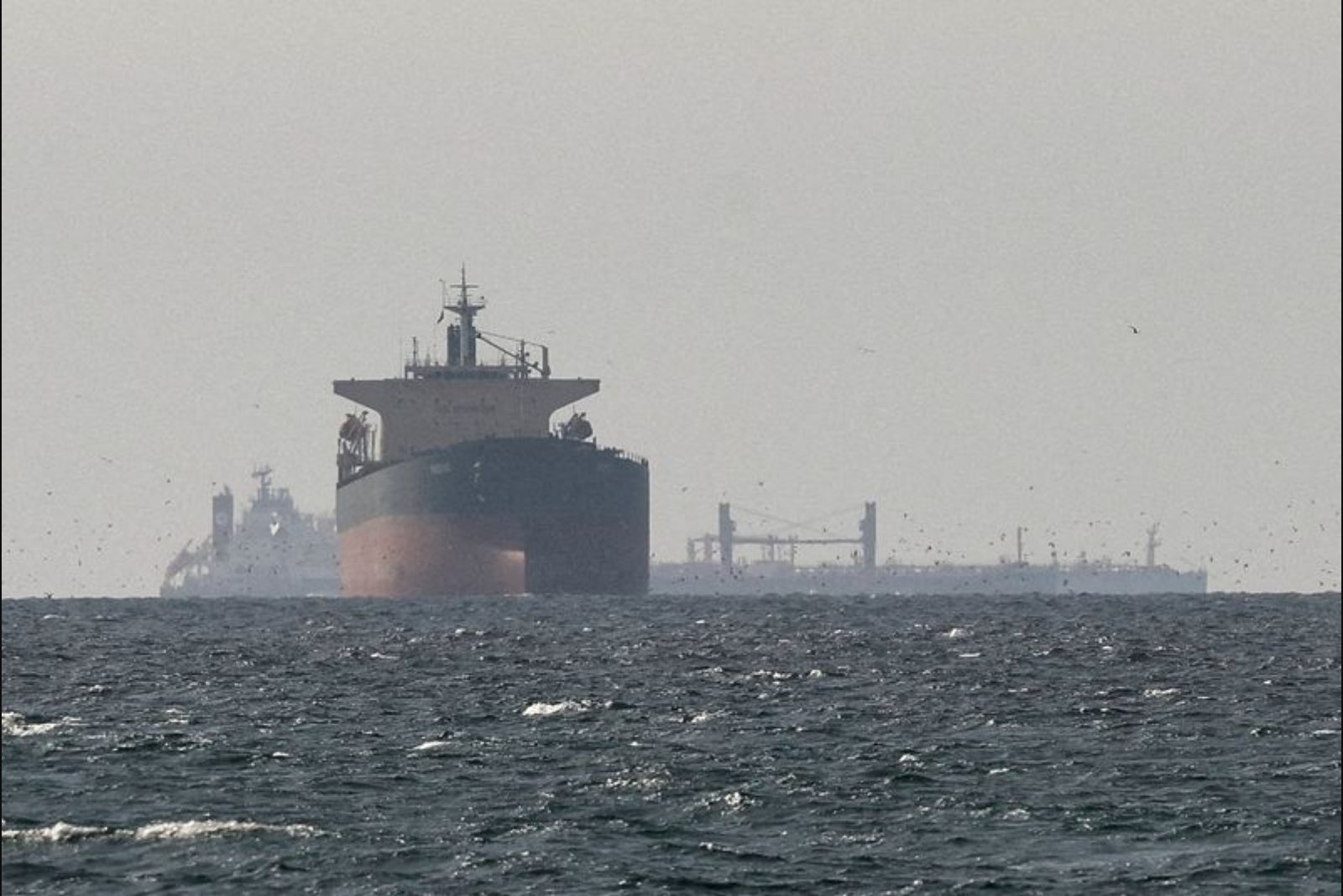
Markets registered modest relief on Wednesday as energy prices eased and major equity indices climbed after Iran informed the United Nations it would allow certain ships from non-combatant nations to pass through the Strait of Hormuz. The development coincided with reports circulating in Washington of a 15-point plan that could include a month-long ceasefire, though Iran has denied that negotiations are taking place and regional missile activity continues.
Market moves and sentiment
Brent crude fell to around $98 per barrel on Wednesday, while U.S. crude traded near $88 per barrel as traders appeared to favour the more optimistic interpretation of the latest developments. Asian markets closed higher, led by South Korea's KOSPI, which gained about 1.5%, and Japan's Nikkei, which rose nearly 3% on the session. European shares were up by more than 1% after the open, and U.S. futures moved higher ahead of the cash market open.
Gold also rallied, advancing nearly 2% on Wednesday morning, which coincided with a softer dollar and receding near-term concerns about higher interest rates. The metal's recent behaviour has suggested it is responding in part like a risk asset as market participants reprice interest-rate and growth expectations.
Economic confidence and business surveys
Despite the relief in commodity and equity markets, the underlying impact of the conflict on economic confidence remains evident. Early March business surveys showed a stalling of private sector growth in the eurozone and heightened U.S. inflation fears among respondents, pointing to an economy absorbing the energy shock with caution. Overall uncertainty persists about who the United States might be negotiating with and whether any rapid reduction in energy disruption can be secured.
Political signals and regional tensions
Washington continued to publicly highlight the possibility of negotiation, with media reports describing a 15-point package that may include a month-long ceasefire. Iranian officials, however, have denied that talks are underway. A spokesperson for the Iranian Armed Forces characterised the U.S. actions as negotiating with itself. On the ground, missile activity in the region has not stopped, underscoring the tenuous nature of any de-escalation.
Other market headlines
Private credit markets showed fresh signs of strain when Ares moved to suspend redemptions in particular funds, joining Apollo and other asset managers that recently took similar steps after investor exits. In technology and corporate news, reports indicate South Korean memory chipmaker SK Hynix is planning a U.S. listing in the second half of 2026. Separately, reporting suggests Elon Musk's SpaceX could file for an initial public offering as soon as this week or next.
Chart of the day
According to a Reuters/Ipsos poll, just 29% of the country approves of President Trump's handling of the economy, marking the lowest economic approval rating in either of his terms and lower than any equivalent economic approval figure recorded for his predecessor, Joe Biden.
Events to watch
- U.S. February import prices (4:30 PM EDT)
- U.S. Q4 current account (4:30 PM EDT)
- U.S. 5-year and 7-year note auctions
- Remarks by Fed official Stephen Miran
- Comments from ECB President Christine Lagarde
Subscribe and additional coverage
For readers who follow markets daily, a morning briefing is available by subscription. The briefing covers energy market movements, business survey readouts and other developments that shape investor expectations.
Opinions noted in this piece reflect the author's observations and analysis. They do not purport to represent the views of any news organisation or third party.