
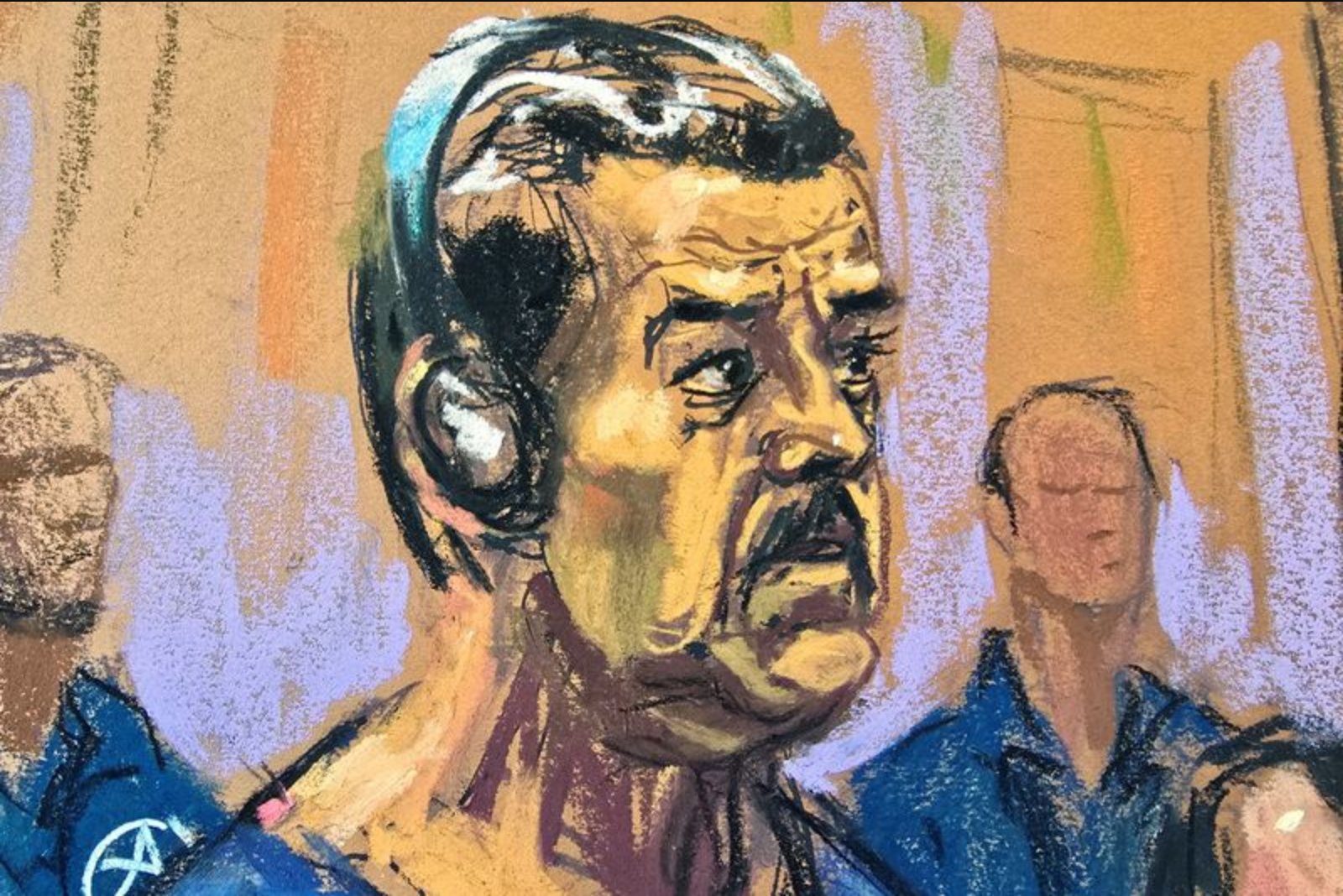
Nicolás Maduro and his wife, Cilia Flores, will be back before a federal judge in Manhattan on Thursday to argue for dismissal of the criminal charges they face after being taken into U.S. custody in early January. The couple, who were seized in a surprise U.S. special forces raid on January 3 at their residence in Caracas and brought to New York, are challenging narcotics-related charges and a related legal constraint tied to U.S. sanctions.
Maduro, 63, and Flores, 69, have pleaded not guilty to a series of accusations including narcoterrorism conspiracy. They remain detained in Brooklyn while their case moves through the federal court system. At the center of Thursday's hearing is a motion asking U.S. District Judge Alvin Hellerstein to dismiss the indictment on the grounds that the defendants' inability to have their legal fees paid by the Venezuelan government - because of U.S. sanctions - violates their Sixth Amendment right to retain counsel of their choosing.
The couple's legal team contends that Venezuelan practice and law make the state responsible for covering expenses for the president and first lady, and that denial of such support impairs their clients' constitutional rights. Their counsel has maintained that Maduro and Flores cannot afford to pay private defense fees themselves.
One of the lawyers representing Maduro, Barry Pollack - who has previously represented high-profile clients - has indicated he may seek to withdraw from the case if the judge does not dismiss the charges and the Venezuelan government remains barred from paying his legal fees. It is not publicly known how much Pollack is charging for his representation. Pollack did not respond to a request for comment about his stance or fee arrangements.
Prosecutors counter that Washington has not recognized Maduro as the legitimate president of Venezuela since 2019, and that this lack of recognition means he should not be entitled to expect the U.S. government to permit Venezuelan public funds to be used to pay for his defense while he faces criminal charges in the United States. Federal prosecutors note that if Maduro and Flores cannot afford private attorneys, they may be assigned public defenders to ensure their legal representation.
The indictment against Maduro includes four felony counts, among them narcoterrorism conspiracy - a charge that applies when drug trafficking is alleged to have been conducted to help finance activities the United States deems terrorism. The statute behind that charge has seen limited use at trial; according to court records, two of three trial convictions under that provision have been overturned on the basis of issues related to witness credibility.
The January capture and transfer of Maduro and Flores to the United States followed a covert operation by U.S. forces that brought them to New York to face the charges. Their earlier court appearance in January featured a swift transfer from the jail into Manhattan by helicopter.
Political context remains a disputed element of the case. During his first term in the White House, former President Donald Trump increased sanctions against Venezuela, citing corruption and erosion of democratic institutions in Caracas, and Washington deemed Maduro's 2018 reelection fraudulent. Maduro has rejected accusations of corruption and participation in drug trafficking, characterizing the U.S. allegations as pretexts for a desire to control Venezuela's extensive oil reserves.
Meanwhile, the diplomatic landscape has shifted in some respects. Relations between Caracas and Washington - which had been tense for years - have reportedly shown signs of improvement since Delcy Rodriguez, previously Maduro's vice president, became interim president after his capture.
The hearing is scheduled to begin at 11:00 a.m. EDT (1500 GMT), when Judge Hellerstein will hear arguments on the dismissal motion and related matters. Both Maduro and Flores are expected to be present in court.
Key procedural facts:
- Maduro and Flores were taken into U.S. custody on January 3 and flown to New York.
- They are jailed in Brooklyn and have pleaded not guilty to charges including narcoterrorism conspiracy.
- Their lawyers argue U.S. sanctions preventing Venezuelan payment of defense fees interfere with their right to counsel; prosecutors say public defenders can be provided and point to U.S. non-recognition of Maduro's presidency since 2019.