
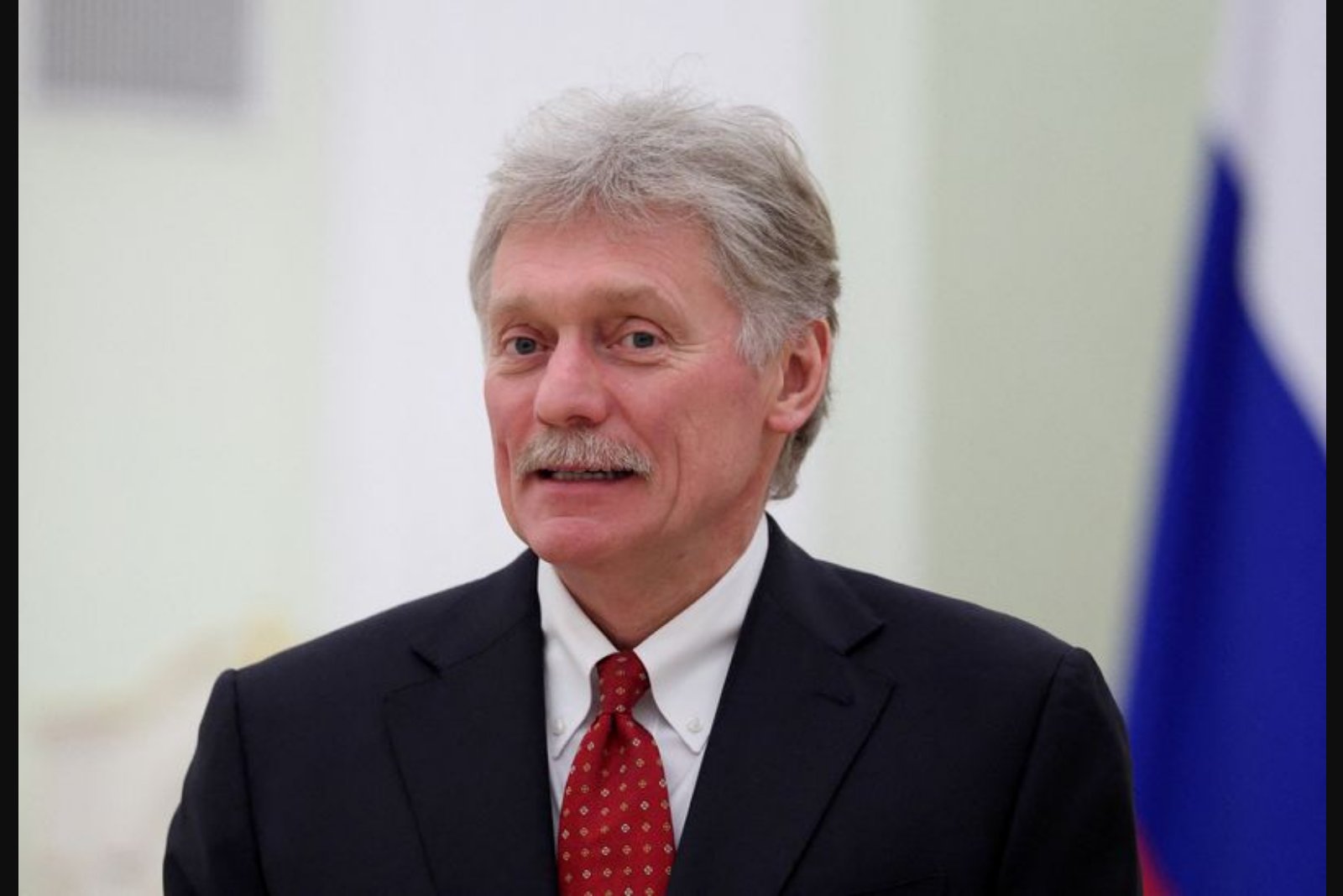
In remarks to reporters, Kremlin spokesman Dmitry Peskov sought to dismiss suggestions that Russia would take steps to damage U.S. commercial interests linked to the Caspian Pipeline Consortium (CPC), an export conduit that counts major U.S. oil companies among its shareholders.
Several commentators in Russia - including voices on state television - have urged that oil shipments via the CPC from Kazakhstan be suspended as a response to sanctions imposed by Washington on Russia. Peskov, addressing those proposals at a regular conference call with the press, said such measures were not the Kremlin's intention.
"In addition to American partners, there are also our Kazakh partners involved, and Russia remains a reliable guarantor of global energy security, despite everything," Peskov said.
The CPC is jointly owned by multiple stakeholders, with U.S. oil majors Chevron and ExxonMobil described in public reporting as large shareholders. The consortium moves Kazakh crude to export via a terminal on Russia's Black Sea coast, located near the port of Novorossiysk.
Operations at the CPC terminal have been affected by security incidents. The site was targeted by Ukrainian drone strikes, and the consortium has had to scale back throughput as a result. Peskov accused Ukraine of engaging in what he called "energy blackmail" over the attacks, saying the strikes are inflicting harm on companies from Russia, the United States and Kazakhstan.
Context and immediate implications
- Peskov's comments directly address proposals circulating among Russian experts and broadcasters calling for a halt to Kazakh oil flows through the CPC as a countermove to U.S. sanctions.
- The CPC terminal near Novorossiysk - the export point for the consortium's oil - has reduced operations after coming under drone attack, a development the Kremlin attributes to Ukraine.
- Peskov emphasized the presence of both American and Kazakh partners in the CPC and framed Russia as committed to maintaining energy security.
Who is affected
The developments and statements touch on multiple commercial and national interests involved in midstream oil exports: international oil companies with equity in the CPC, Kazakh oil producers who use the export route, and broader Black Sea export logistics tied to the Novorossiysk terminal.
At this time, public comments describe damage to operations and political exchanges, but do not lay out any new formal steps by Russian authorities to alter CPC ownership or stop supplies.