
Commodities April 2, 2026

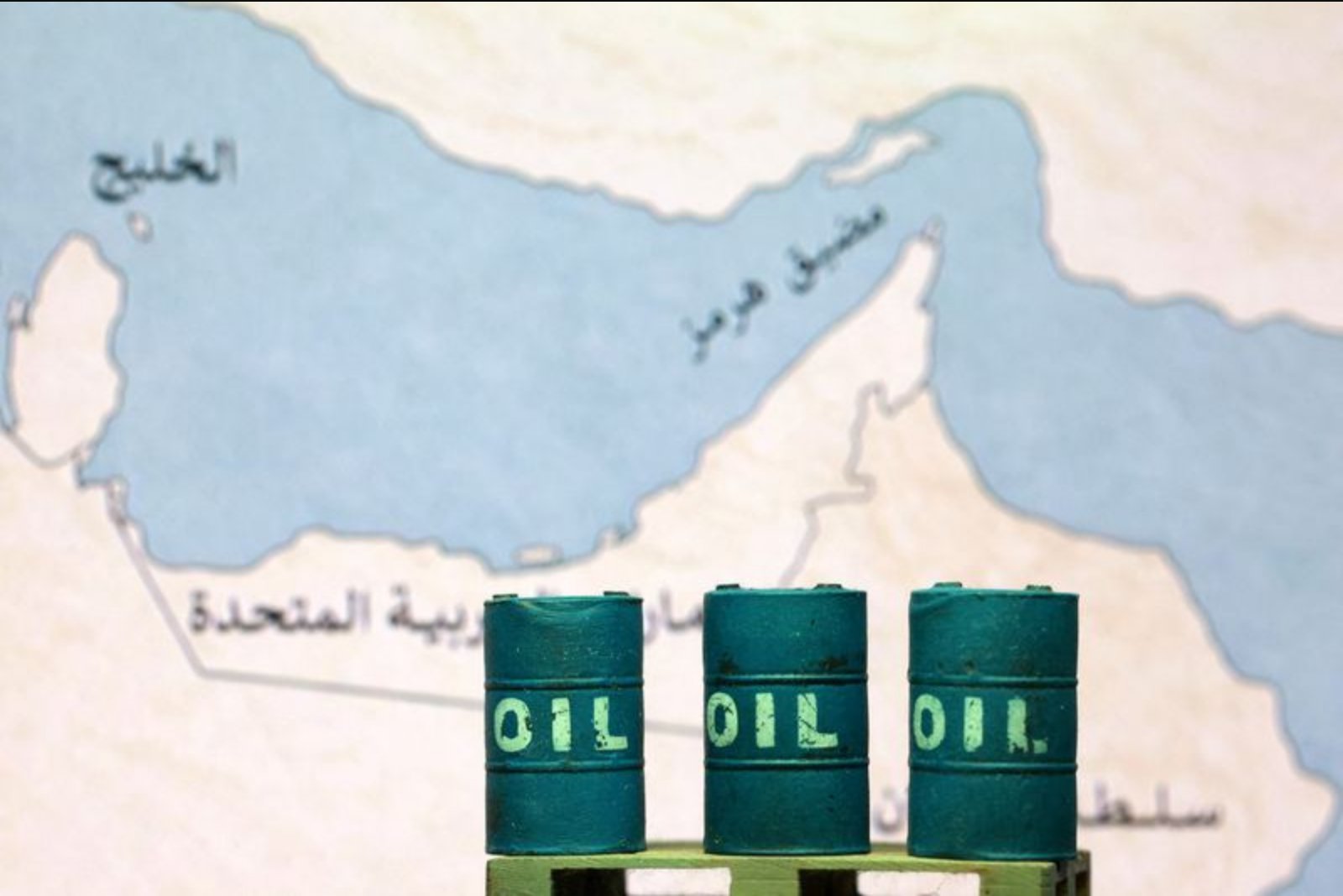
J.P. Morgan Says Prolonged Strait of Hormuz Disruption Could Push Oil Past $150

Bank outlines base case of negotiated reopening but warns of severe macro risks if supply strains extend into mid-May

By Caleb Monroe
J.P. Morgan Says Prolonged Strait of Hormuz Disruption Could Push Oil Past $150

J.P. Morgan projects near-term oil could trade between $120 and $130 per barrel, with the prospect of topping $150 if disruptions to flows through the Strait of Hormuz continue into mid-May. The bank's central scenario assumes negotiations will eventually ease the disruption, keeping prices above $100 through the second quarter before a retracement in the second half of 2026 as the strait partially reopens and inventories normalize.

Key Points

  • J.P. Morgan forecasts a near-term oil range of $120-$130 per barrel, with a risk of prices exceeding $150 if disruptions persist through mid-May.
  • The bank's central scenario expects oil to remain above $100 per barrel through the second quarter before retracing in the second half of 2026 as the Strait of Hormuz partially reopens and inventories normalize.
  • A sustained and large price spike could trigger broader macroeconomic stress, raising the risk of weaker demand and a potential recession.

April 2 - J.P. Morgan warned that oil prices face a material upside if supply through the Strait of Hormuz remains constrained into mid-May, estimating a near-term trading range of $120-$130 per barrel and a tail risk of prices climbing above $150 per barrel should the disruption persist.

In a note circulated on Thursday, the bank set out a base-case outlook in which the current interruption to shipments is resolved through negotiations after a period of supply stress and inventory drawdowns. Under that scenario, J.P. Morgan expects oil to stay elevated - above $100 a barrel - through the second quarter.

The note projects that prices would then pull back in the second half of 2026. That retracement is attributed to a partial reopening of the Strait of Hormuz combined with some replenishment or normalization of oil inventories.

J.P. Morgan highlighted that the magnitude and persistence of any price spike would be a central determinant of the wider economic fallout. The bank warned that a large and sustained jump in oil costs raises the risk of depressed demand and a possible recession if high prices remain in place for an extended period.

Markets reacted with heightened volatility on Thursday, with oil futures jumping after U.S. President Donald Trump said the U.S. would continue attacks on Iran.


Context and implications

The bank's outlook presents two distinct outcomes: a negotiated resolution that gradually eases market tightness, and a more severe scenario in which continued disruption maintains acute supply pressure and pushes prices substantially higher. The note links the timing of any reopening and the pace of inventory normalization directly to whether elevated prices persist into later parts of the year.

While the base case assumes a period of strain before normalization, the firm explicitly cautioned that the size and duration of price moves will shape broader macroeconomic effects, underscoring the connection between energy market dynamics and overall economic demand.


Note: The analysis above summarizes the key points and projections provided in the bank's note and the market reaction referenced in reporting on Thursday.

Risks

  • Prolonged disruption of flows through the Strait of Hormuz, which would maintain supply strain and push oil prices higher - impacting energy markets and overall economic activity.
  • The magnitude and duration of any price spike, which will determine the severity of macroeconomic consequences including depressed demand and recession risk.
  • Geopolitical developments and related market volatility, such as comments or actions that can trigger sharp moves in oil prices.

More from Commodities

Trump Revises Section 232 Tariffs, Lowers Duties on Many Metal Derivatives Apr 2, 2026 U.S. Agencies to Track Microplastics and Pharmaceuticals in Drinking Water Apr 2, 2026 U.S. to Keep 50% Steel and Aluminum Tariffs but Cut Rates on Finished Goods, Sources Say Apr 2, 2026 Fuel Price Shock Exposes Strains on Milei’s Free‑Market Strategy as Region Feels Oil Pain Apr 2, 2026 Prompt crude trades at record premium as Trump pledges further strikes on Iran Apr 2, 2026