
Commodities February 3, 2026

Iranian Gunboats Approach U.S.-Flagged Tanker in Strait of Hormuz, Sources Say

Stena Imperative ordered to halt and prepare for boarding before resuming voyage; U.S. warship escorted the vessel, agencies report

By Hana Yamamoto
Iranian Gunboats Approach U.S.-Flagged Tanker in Strait of Hormuz, Sources Say

Maritime sources and a security consultancy reported that Iranian gunboats approached the U.S.-flagged tanker Stena Imperative in the Strait of Hormuz, ordered it to stop its engine and prepare to be boarded, and then the tanker accelerated and continued under escort by a U.S. warship. The incident occurred north of Oman inside the inbound Traffic Separation Scheme; Iranian and U.K. maritime agencies provided differing accounts of territorial waters and warnings.

Key Points

  • Iranian gunboats approached the U.S.-flagged tanker Stena Imperative in the Strait of Hormuz and ordered it to stop its engine and prepare to be boarded before the vessel sped up and continued - impacts maritime security and shipping operations.
  • The tanker did not enter Iranian internal territorial waters and was escorted by a U.S. warship, while UKMTO reported an attempted interception 16 nautical miles (30 km) north of Oman in the inbound Traffic Separation Scheme - relevant to naval and maritime security sectors.
  • The Strait of Hormuz is a critical export route for OPEC members Saudi Arabia, Iran, the United Arab Emirates, Kuwait and Iraq, with most crude destined mainly for Asia - relevant to energy markets and oil shipping logistics.

DUBAI, Feb 3 - Maritime risk management sources and a security consultancy said on Tuesday that a group of Iranian gunboats approached a U.S.-flagged tanker in the Strait of Hormuz, north of Oman. The vessel named Stena Imperative was reportedly ordered to stop its engine and make ready to be boarded before it was able to speed up and continue on its passage, Vanguard, a maritime risk management group, said.

According to the same maritime risk group, the tanker did not enter Iranian internal territorial waters during the encounter and was accompanied by a U.S. warship as it continued its voyage. An American official confirmed the vessel was U.S.-flagged.

The United Kingdom Maritime Trade Operations (UKMTO) earlier issued a notice saying that a group of armed boats had attempted to intercept a vessel 16 nautical miles (30 km) north of Oman. UKMTO did not identify the vessel or the identity of the boats involved and said it was investigating the incident, which occurred in the inbound Traffic Separation Scheme of the Strait of Hormuz.

Later on Tuesday, Iran’s semi-official Fars news agency cited unnamed Iranian officials who said a vessel had entered Iranian territorial waters without required legal permits, was warned, and subsequently left the area "without any special security event taking place." The report did not provide additional operational details beyond that account.

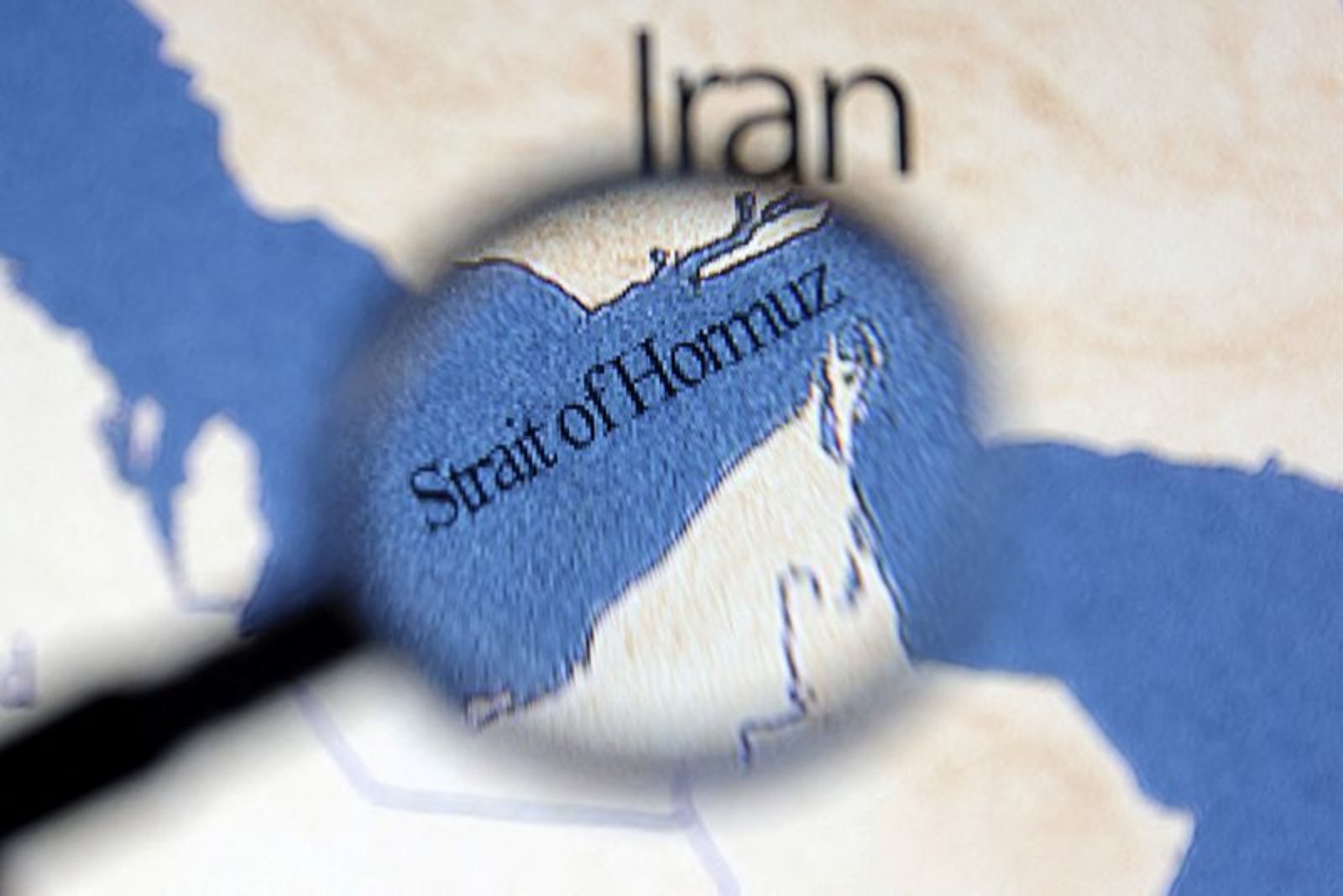
The Strait of Hormuz links the Persian Gulf to the Gulf of Oman and the Arabian Sea beyond. OPEC members Saudi Arabia, Iran, the United Arab Emirates, Kuwait and Iraq transport the bulk of their crude oil exports through the strait, primarily to Asian destinations, a detail that underscores the waterway’s commercial importance.

The incident follows a recent pattern of maritime confrontations in and near the strait. The account notes that three vessels - two seized in 2023 and one in 2024 - were taken by Iran near or in the strait. The reporting also states that some of those seizures took place after U.S. seizures of tankers tied to Iran.

This episode, as reported by maritime security sources and regional agencies, includes contrasting official statements on whether territorial waters were entered and whether any formal security incident occurred. Investigations by maritime authorities cited in the original reports are ongoing to clarify the circumstances and sequence of events.


Contextual note: The information above is drawn from maritime sources, a security consultancy, a U.S. official confirmation of the vessel’s flag, a U.K. maritime operations notice, and statements attributed to unnamed Iranian officials via a semi-official news agency.

Risks

  • Discrepancies in official accounts about territorial waters and whether a formal security incident occurred create uncertainty for maritime operators and insurers - impacts shipping and insurance sectors.
  • Prior seizures of vessels in 2023 and 2024 near or in the strait, including incidents linked temporally to U.S. seizures of tankers related to Iran, indicate ongoing operational risk to tankers transiting the waterway - impacts energy transportation and global crude flows.
  • An ongoing investigation by maritime authorities into the attempted interception introduces near-term uncertainty for vessel routing and security measures in the inbound Traffic Separation Scheme - impacts shipping logistics and naval escort planning.

More from Commodities

U.S. Gulf Coast Refiners Strain to Take In Sudden Wave of Venezuelan Crude Feb 3, 2026 U.S.-India Trade Understanding Lowers Industrial Tariffs, Preserves Some Agricultural Protections Feb 3, 2026 India Commits to Large-Scale Purchases of U.S. Goods Across Energy, Defence and Tech Sectors Feb 3, 2026 EU Adjustment to 2035 CO2 Rule Could Still Leave Significant Place for Non-EV Cars, Campaign Group Says Feb 2, 2026 Commodities Slide as Fed Appointment and Easing Iran Tensions Roil Markets Feb 2, 2026