
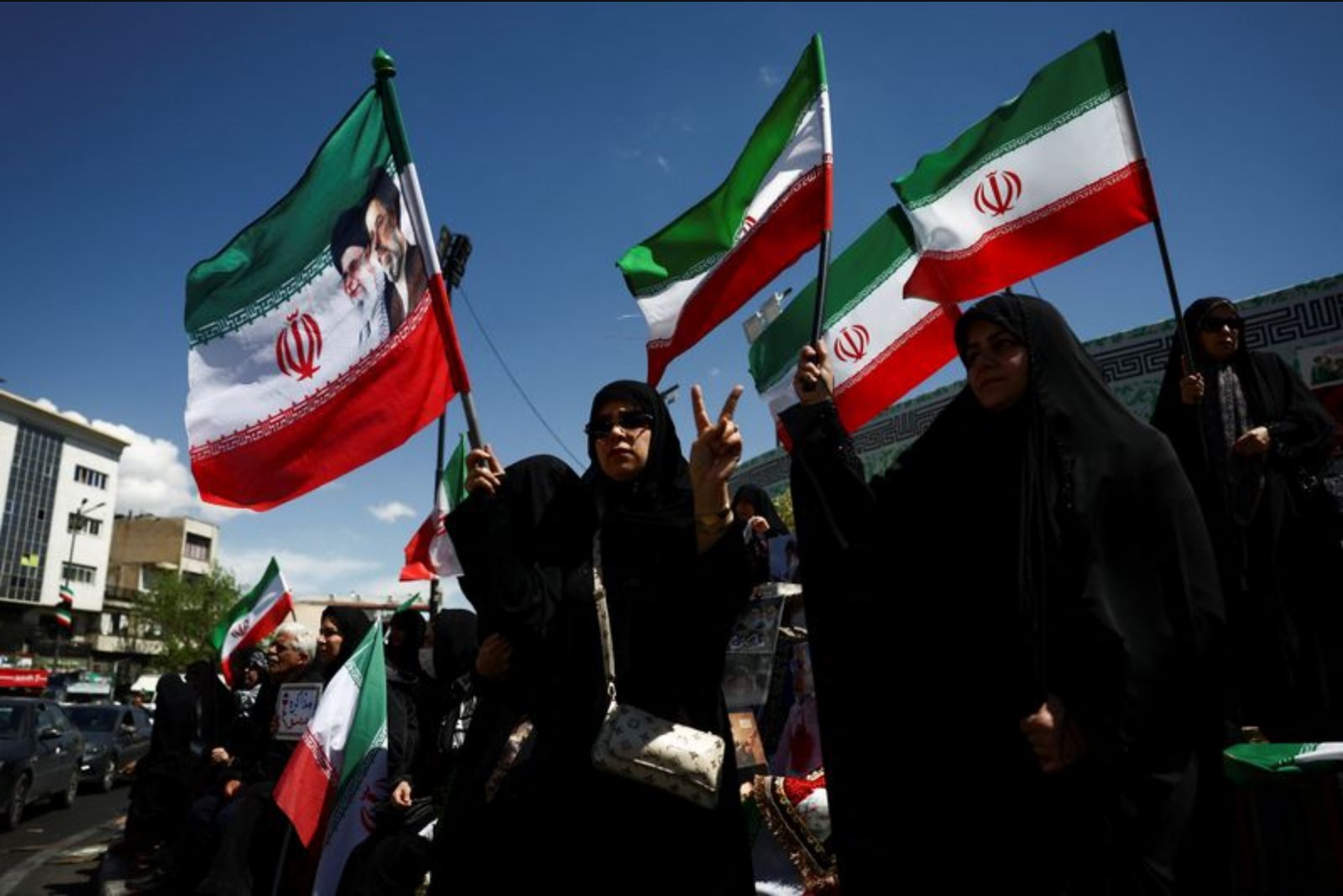
Iran will enter peace negotiations with the United States with a guarded posture after what it describes as a deep lack of trust between the parties, Iran's ambassador to the United Nations in Geneva said on Wednesday. The envoy also warned that the conflict has already affected - and will continue to affect - the legal regime governing transit through the Strait of Hormuz.
The pause in hostilities, brokered by Pakistan, establishes a two-week ceasefire that suspends fighting in a war that has lasted six weeks, killed thousands, spread across the Middle East and created unprecedented disruption to the world’s energy supplies. The United States and Iran agreed to the temporary halt to fighting, which U.S. President Donald Trump announced late on Tuesday. His announcement came two hours before a deadline he had set for Iran to open the blockaded Strait of Hormuz or face the destruction of its "whole civilisation".
Speaking to Reuters in Geneva, Iran's U.N. ambassador Ali Bahreini said Tehran will not enter the negotiations from a position of trust. "We are not putting any trust in the other side. Our military forces are keeping their preparedness...but meanwhile, we will go for negotiations to see how serious the other side is," he said.
Pakistani Prime Minister Shehbaz Sharif said he had invited delegations from Iran and the United States to meet in Islamabad on Friday, which would mark the first formal peace talks since the conflict began. According to Sharif, Iran’s president had confirmed attendance for those talks.
Bahreini reiterated that arrangements agreed to as part of the ceasefire are, for now, temporary. He referred specifically to the Strait of Hormuz and how the agreement will not immediately restore previous norms of transit. "Because of that reason, everything is now temporary. Even the arrangements for the Strait of Hormuz is temporary," he said.
On the subject of maritime movement, Bahreini said the conditions for ships' passage after the ceasefire will depend on both the outcome of negotiations with the United States and separate talks between Iran and Oman. He warned that "During these two weeks, the issues will not be normal as it has been before the war," and indicated new procedural checks: vessels will be expected to provide the name and owner of the ship and cargo details.
A senior Iranian official involved in the talks told Reuters earlier on Wednesday that the strait could reopen in a limited way on Thursday or Friday, arranged with coordination with the Iranian military and in advance of the Islamabad meetings.
On the legal status of the strait, Bahreini was explicit about broader ramifications. "This war has affected everything. And one of the things that this war will affect will be the legal regime of the Strait of Hormuz, but the details would be discussed and will be decided in the future," he said, signaling that any enduring rules for passage will be subject to negotiation.
Tehran is also seeking guarantees that the strait would not be used by its adversaries as a staging ground for attacks on Tehran, Bahreini added.
Beyond the immediate U.S.-Iran dynamic, the ambassador urged Israel to uphold the ceasefire in Lebanon, warning that further Israeli strikes there would complicate the situation and could have "some consequences." He described the ceasefire as a victory for Iran and said Tehran believes the United States and Israel miscalculated the strength of Iran’s response.
Earlier diplomatic efforts were referenced by Bahreini as context for current mistrust. Nuclear talks held in Geneva in late February had registered some progress but no decisive breakthrough; those discussions had been scheduled to resume in Vienna the following week before U.S. and Israeli joint strikes on Iran two days later interrupted the diplomatic process.
The coming days will test whether the temporary pause in fighting leads to a substantive and durable diplomatic track or whether the two-week window merely provides short-lived relief while core disagreements remain unresolved.