
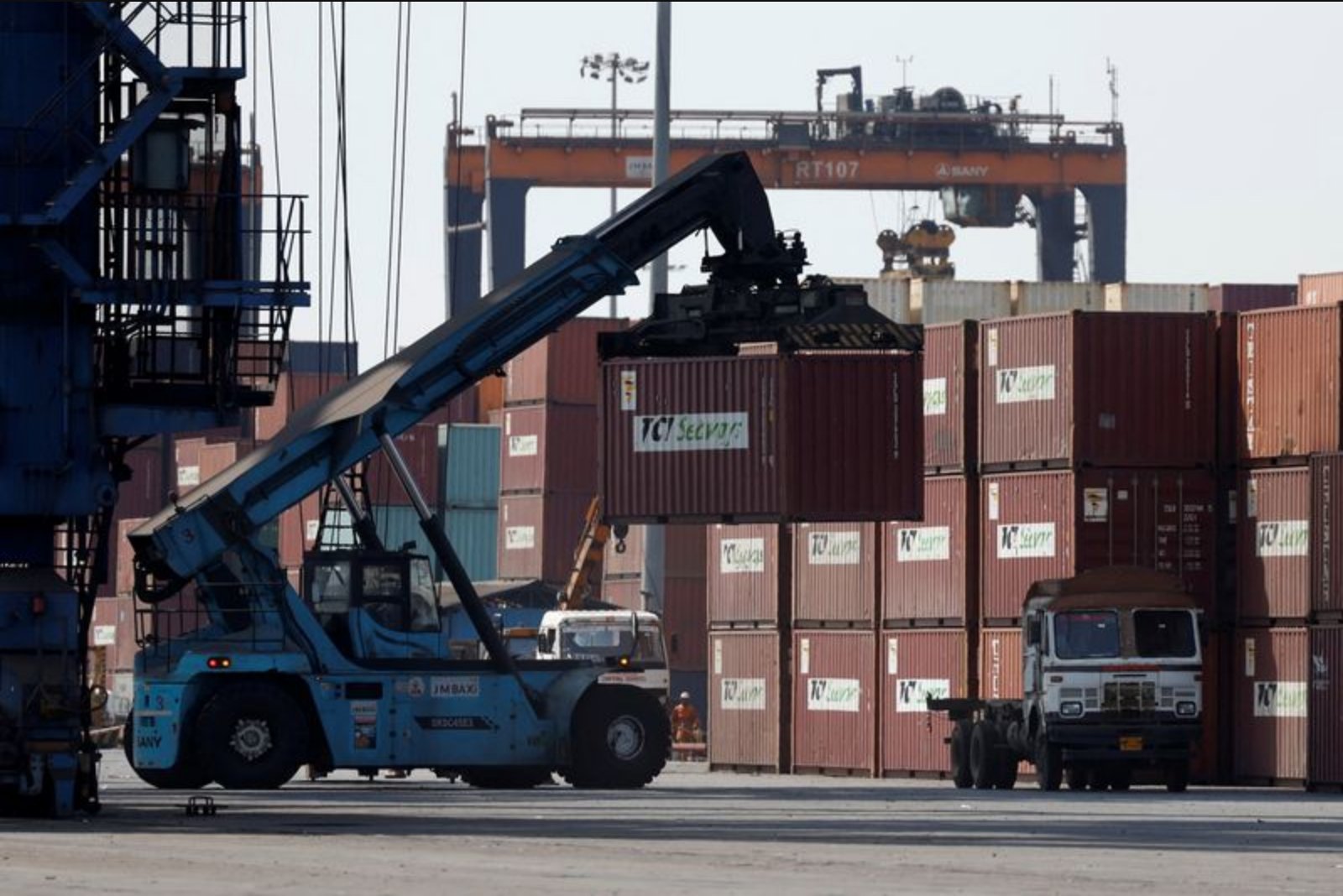
A government official confirmed that India has agreed to buy a broad set of U.S. goods - spanning petroleum, defence equipment, electronics, pharmaceuticals, telecom products and aircraft - under a recently announced trade arrangement. The official, who requested anonymity, said the commitments aim in part to reduce the U.S. trade deficit with India.
U.S. officials announced the agreement, which includes a cut in U.S. tariffs on Indian goods to 18% from 50%, together with an understanding that India would halt purchases of Russian oil and reduce certain trade barriers. U.S. leadership also highlighted a push for increased U.S. exports, with public statements noting that India agreed to "BUY AMERICAN at a much higher level." Those statements included an estimate that India could buy up to $500 billion of U.S. energy, coal, technology, agricultural and other products.
The unnamed Indian official outlined the sectoral commitments, saying: "The commitment to buy U.S. products covers sectors like pharmaceuticals, telecom, defence, petroleum and aircraft. It will be done over the years." The official also said, "We have offered market access in some agricultural products too," while declining to provide further details.
The official described the arrangement as an initial tranche, adding that "the deal is the first tranche and a more comprehensive deal will be negotiated over coming months." The same official said India has agreed to purchase U.S. goods to help narrow the U.S.-India trade imbalance. India’s commerce ministry did not immediately respond to an e-mail seeking comment.
Trade data referenced by Indian authorities show exports to the United States rose 15.88% year-on-year to $85.5 billion in January-November, while imports from the United States during the same period stood at $46.08 billion, according to commerce ministry figures cited by the official.
As part of the pact, India also cut tariffs on automobiles, an element reported as a response to an immediate U.S. demand to address the bilateral trade imbalance. Market reaction in India was swift: the benchmark Nifty 50 index rose nearly 3% and the rupee strengthened by over 1% to 90.40 per dollar in early trading following the announcement.
Context and next steps
Officials described the pact as an opening phase. They indicated further talks will expand and formalize details across sectors and timelines. The official account stressed that implementation of the purchase commitments will occur over a period of years and that further negotiation is expected to produce a more comprehensive agreement.