
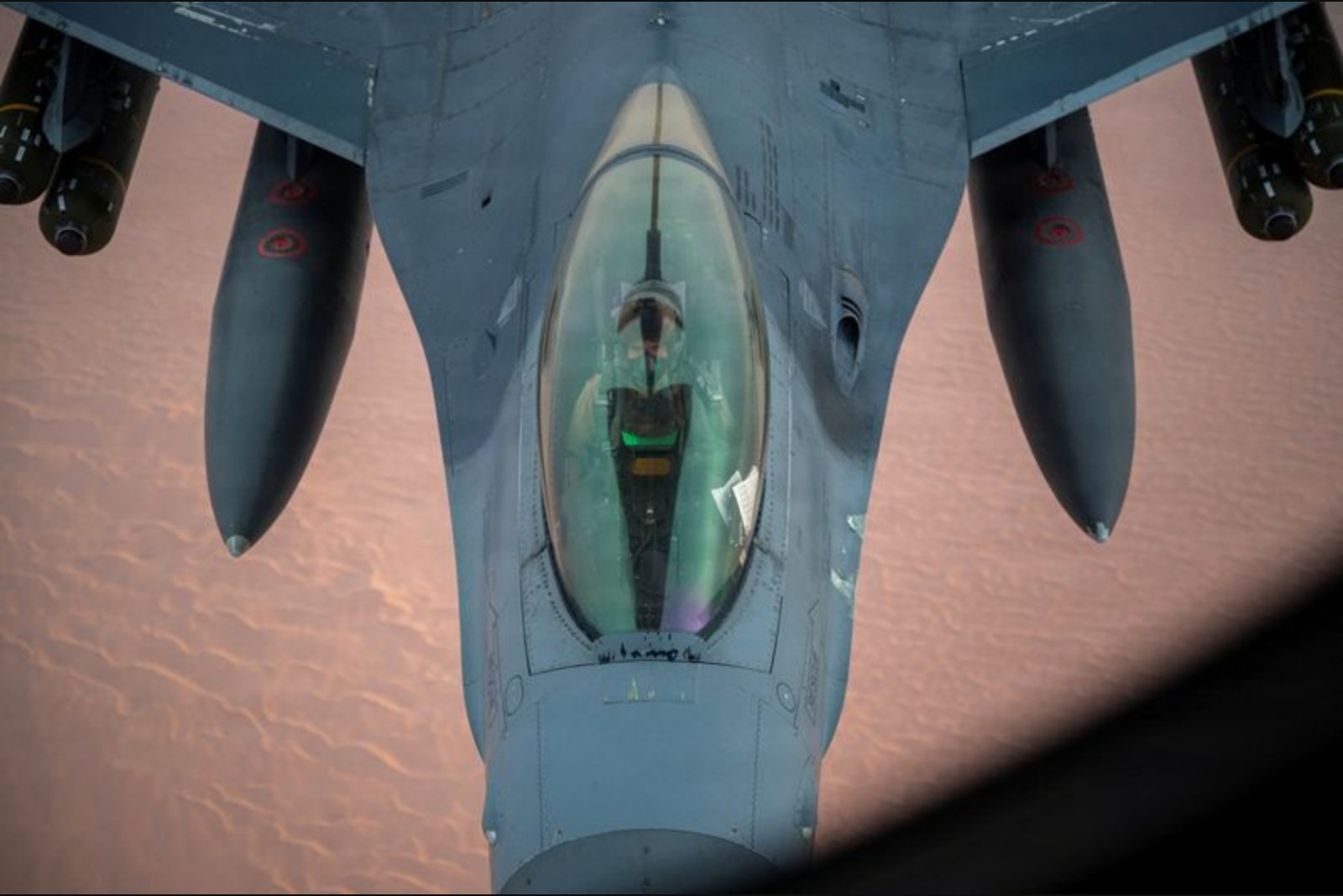
WASHINGTON and CAIRO, April 4 - Iranian forces were conducting searches on Saturday for a missing U.S. pilot after two American warplanes were brought down over Iran and the Gulf, officials from both sides reported. Two other airmen were rescued, but one service member remains unaccounted for, raising the stakes for Washington amid a conflict that has persisted into its sixth week.
According to statements from officials, Iranian fire struck a two-seat U.S. F-15E jet, and U.S. sources said the pilot of an A-10 Warthog ejected after the aircraft was hit and later crashed in Kuwait. Two Black Hawk helicopters that were participating in the search for the missing pilot sustained hits from Iranian fire but managed to exit Iranian airspace, U.S. officials told Reuters. The extent of injuries among the crews has not been made clear.
Iran’s Islamic Revolutionary Guard Corps said it was combing a southwestern area close to where the pilot’s aircraft came down. A regional governor additionally vowed a reward for anyone who captured or killed what he described as "forces of the hostile enemy." The downing of the jets was greeted with celebration by Iranians who have been subjected to American air strikes since February 28, officials said.
Parliament Speaker Mohammad Baqer Qalibaf posted on the social platform X that the nature of the conflict had shifted "from regime change" to a hunt for pilots. Meanwhile, President Donald Trump was reported to have been in the White House receiving briefings on the rescue effort, according to a senior administration official. The Pentagon and U.S. Central Command did not immediately reply to requests for comment.
Diplomatic efforts to halt the fighting have encountered obstacles. Iran informed mediators that it was not prepared to meet with U.S. officials in Islamabad in the coming days, and Pakistan-led attempts to secure a ceasefire had stalled, according to reporting cited by the Wall Street Journal. The war has already exacted a heavy human toll and broader consequences: officials say it has killed thousands since the initial strikes that they say killed Iran’s Supreme Leader Ayatollah Ali Khamenei, prompted an energy crisis, and posed risks to the global economy.
The U.S. Central Command reports that 13 U.S. military service members have been killed and more than 300 wounded in the conflict so far. Iranian forces have launched waves of drones and missiles at Israel and targeted Gulf states aligned with the United States, though those countries have so far refrained from direct military engagement to avoid further escalation.
On Saturday, authorities in Dubai reported no injuries after debris from aerial interceptions struck the facades of two buildings in the emirate. The U.S. embassy in Beirut issued a security advisory on Friday warning that Iran and groups allied with it might target universities in Lebanon and recommended U.S. citizens depart while commercial flights remained available.
Israel is conducting operations against Hezbollah in Lebanon after attacks by the militant group in support of Iran. Israeli forces said early on Saturday that they were striking Hezbollah infrastructure sites in Beirut.
The conflict has also involved strikes on regional infrastructure. Iran struck a power and water plant in Kuwait on Friday, days after President Trump threatened to target Iranian bridges and power plants, underscoring the vulnerability of Gulf states that depend heavily on desalination for potable water. On Thursday, the president posted images showing dust and smoke from U.S. strikes on the B1 bridge near Tehran that is scheduled to open this year, and reiterated threats of further attacks on bridges and electric power plants.
Additional incidents included a drone strike on a Red Crescent relief warehouse in Choghadak in Iran’s southern Bushehr province. Kuwait Petroleum Corp reported that drones hit its Mina al-Ahmadi refinery. Other aerial attacks were reported as intercepted in Saudi Arabia and Abu Dhabi, and missile debris fell near the Israeli port of Haifa, which hosts a major oil refinery.
Markets reacted to the widening conflict. Benchmark U.S. crude prices surged 11% on Thursday after President Trump delivered a speech that offered no clear indication of an imminent end to the war, and some oil markets were closed. The combination of direct attacks on energy infrastructure, risks to shipping and refining nodes, and the prospect of sustained military activity has amplified volatility in energy markets.
Summary
Iranian forces are searching for a missing U.S. pilot after two American warplanes were downed amid ongoing hostilities. Two airmen were rescued; the scale of crew injuries is uncertain. The conflict has expanded to include strikes on regional infrastructure and has driven significant movements in oil markets.
Key points
- Two U.S. warplanes were downed - an F-15E reportedly hit over Iran and an A-10 that crashed in Kuwait after being struck; two airmen rescued and one pilot missing.
- Iranian forces are conducting ground searches near the reported crash site; local authorities have incentivized captures of enemy forces.
- Regional infrastructure and energy facilities have been targeted, contributing to an energy crisis and sharp jumps in oil prices.
What sectors are impacted
- Energy - attacks on refineries, power and water plants have direct implications for oil supply and desalination-dependent utilities.
- Defense and aviation - active combat operations have produced aircraft losses and risks to search-and-rescue missions.
- Transport and logistics - strikes and interceptions near ports and airspace have the potential to disrupt commercial operations.