
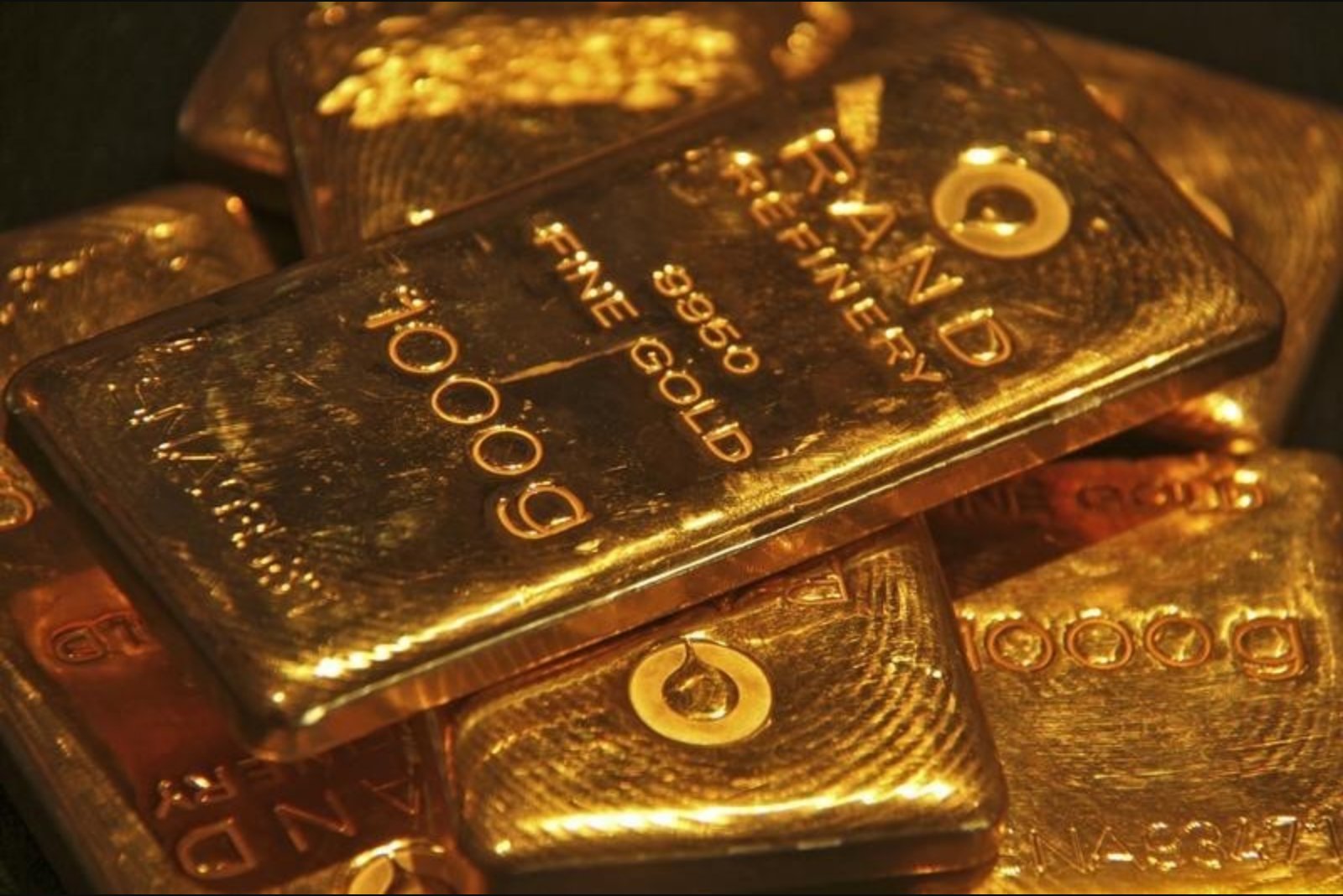
Gold prices jumped sharply in Asian trading as investors sought safe-haven assets following a major escalation in the Middle East. The United States and Israel launched strikes on Iran that killed the country’s Supreme Leader Ayatollah Ali Khamenei, triggering a swift market reaction.
By 18:56 ET (23:56 GMT), spot gold had risen 2.1% to $5,387.55 an ounce, reaching its highest level since late January. U.S. gold futures climbed 2.8% to $5,394.91 as bullion attracted inflows amid heightened geopolitical uncertainty.
Markets responded to the unprecedented escalation in the region, with traders citing fears that the removal of Iran’s most powerful figure could broaden the conflict and threaten shipments through the Strait of Hormuz, a key conduit for global oil flows. The immediate effect was a pronounced risk-off move: equities slipped while crude oil prices surged, reinforcing bullion s appeal as a store of value.
The military actions over the weekend were intense. Israeli forces launched a fresh wave of strikes on Tehran on Sunday, employing missiles and aircraft against command infrastructure and air defences. Tehran replied with additional missile barrages directed at Israeli territory and at U.S. bases in the Gulf, further heightening tensions.
Market participants cited the geopolitical shock as the driver behind the sudden inflows into precious metals. "Trying to gauge the extent of that move is obviously pretty difficult, though I flag $5,400/oz followed by the late-Jan record high at $5,595/oz as the key levels to watch to the upside," said Michael Brown, Senior Research Strategist at Pepperstone.
Brown added that the recent events bolster what he described as a strong fundamental bull case for gold, noting that the metal remains the beneficiary of haven inflows in an increasingly uncertain world and that both robust retail and reserve demand are providing tailwinds. He also flagged the possibility of a move toward the $6,000/oz mark by the end of the year.
Gold has already posted substantial gains this year, rising nearly 25% amid a combination of heightened geopolitical risks, central bank buying and market expectations of Federal Reserve easing. That backdrop has supported demand for bullion as investors weigh safe-haven alternatives.
Other precious metals also advanced on the risk-off flow. Silver increased 1.3% to $95.15 per ounce, while platinum rose 0.3% to $2,396.11 an ounce.
Summary
- Gold rallied more than 2% in Asian trade after U.S. and Israeli strikes on Iran killed Supreme Leader Ayatollah Ali Khamenei.
- Spot gold reached $5,387.55/oz and U.S. futures climbed to $5,394.91, levels not seen since late January.
- The escalation raised concerns about a wider regional conflict and potential disruption to oil shipments through the Strait of Hormuz, prompting a risk-off move across markets.
Market context
Investors shifted toward bullion as equities fell and crude oil surged on the prospect of supply disruption and heightened geopolitical risk. Statements from market strategists highlighted specific resistance levels and longer-term targets for gold based on the current risk environment and demand dynamics.