
Commodities March 23, 2026

Gold Slides for Tenth Session as Iran Denies U.S. Talks, Markets Reassess Risk

Spot and futures prices retreat amid conflicting reports on Iran-U.S. communications and persistent rate-related headwinds

By Maya Rios
Gold Slides for Tenth Session as Iran Denies U.S. Talks, Markets Reassess Risk

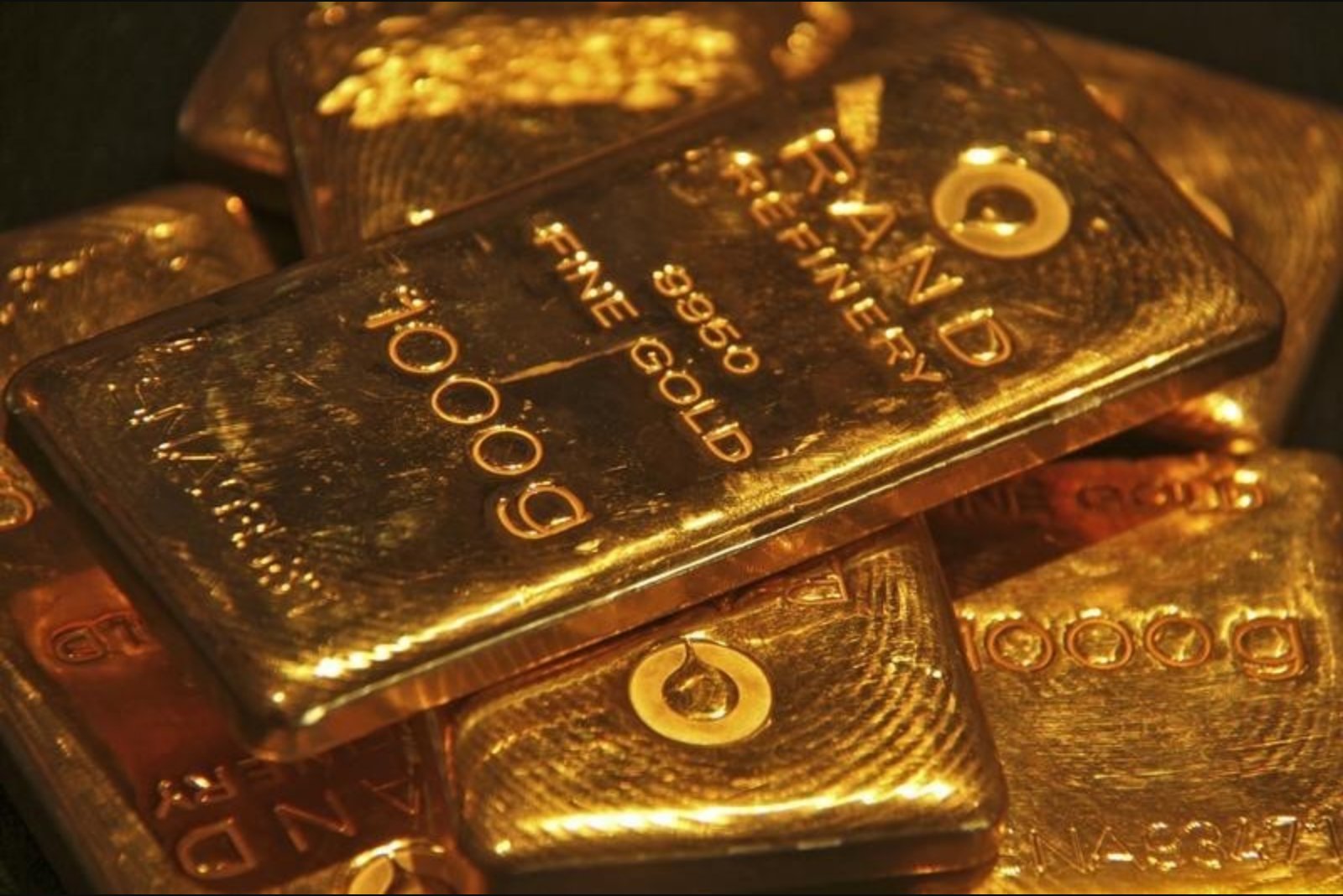
Gold extended a 10-session losing streak in Asian trade after Iranian officials denied holding talks with U.S. representatives, following U.S. President Donald Trump’s decision to delay strikes on Iran’s energy infrastructure. Market calm from postponed strikes and a pullback in oil helped pare recent losses, but gold remains under pressure as investors weigh higher-for-longer interest rate expectations driven by inflation concerns tied to elevated energy prices.

Key Points

  • Gold fell for a tenth consecutive session as Spot Gold traded down 1.3% at $4,351.28/oz and U.S. Gold Futures slipped 0.3% to $4,399.59.
  • President Donald Trump delayed strikes on Iran’s energy infrastructure and described talks with unnamed Iranian officials as "very good and productive," but Iran’s parliamentary speaker Mohammad Baqer Qalibaf said no talks occurred, creating market uncertainty - sectors affected include commodities and energy markets.
  • Macroeconomic concerns - notably the prospect of higher-for-longer interest rates amid elevated energy-driven inflation expectations - weighed on bullion and influenced investor demand for interest-bearing assets over non-yielding gold.

Gold prices continued to decline for a tenth consecutive session in Asian trading on Tuesday, with markets digesting conflicting signals about communications between U.S. and Iranian officials and maintaining a focus on the macroeconomic outlook.

Spot Gold was last reported down 1.3% at $4,351.28 an ounce by 20:38 ET (00:38 GMT). U.S. Gold Futures eased 0.3% to $4,399.59.


Geopolitical developments and market reaction

President Donald Trump postponed planned strikes on Iran’s energy infrastructure, a move that helped calm risk sentiment and triggered a notable retreat in oil prices, which in turn allowed gold to trim some of its earlier losses in the prior session.

Mr. Trump said he delayed the threat to bomb Iran’s electricity grid and described talks with unnamed Iranian officials as "very good and productive." That account was contradicted by Iran’s Speaker of the Parliament, Mohammad Baqer Qalibaf, who posted on social media that no such discussions had taken place, injecting uncertainty into the market narrative.


Macroeconomic forces keeping bullion under pressure

Despite gold’s conventional role as a safe-haven asset during geopolitical tension, the metal has continued to face downward pressure as investors concentrate on interest rate expectations. A recent surge in energy prices has raised the prospect that inflation could remain elevated, prompting markets to reduce the likelihood of forthcoming monetary easing.

Market participants are increasingly pricing in the prospect that central banks, including the Federal Reserve, will keep policy rates higher for longer. Higher interest rates typically weigh on gold because the non-yielding asset becomes less attractive relative to interest-bearing instruments such as government bonds.


Other precious metals

Among peers, silver fell 1.5% to $68.08 per ounce, while platinum dipped 0.3% to $1,879.4 per ounce.


Outlook

Gold’s decline reflects a combination of easing immediate geopolitical risk after strike plans were postponed and persistent macroeconomic concerns that favor higher interest rates. The denial from Iran’s parliamentary speaker over the existence of talks adds an additional layer of uncertainty to the near-term market backdrop.

Risks

  • Conflicting statements about communications between U.S. and Iranian officials increase geopolitical uncertainty, which can affect oil and broader commodity markets.
  • A sustained rise in energy prices could keep inflation elevated, complicating expectations for monetary easing and impacting bond and currency markets as well as precious metals demand.
  • If central banks maintain higher interest rates for longer, gold may remain under pressure as investors prefer interest-bearing instruments such as government bonds.

More from Commodities

Oil Edges Higher as Tehran Denies U.S. Contact, Keeping Supply Risks Front and Center Mar 23, 2026 EU and Australia Finalize Long-Running Trade Agreement as Global Tensions Rise Mar 23, 2026 Roughly 300 Activists Rally Outside Houston Energy Summit, Calling for Cleaner Air Mar 23, 2026 Oil Climbs After Iran Denies Direct Talks With U.S., Markets Left in Limbo Mar 23, 2026 Chevron CEO Says Futures Fail to Capture Full Impact of Strait of Hormuz Closure Mar 23, 2026