
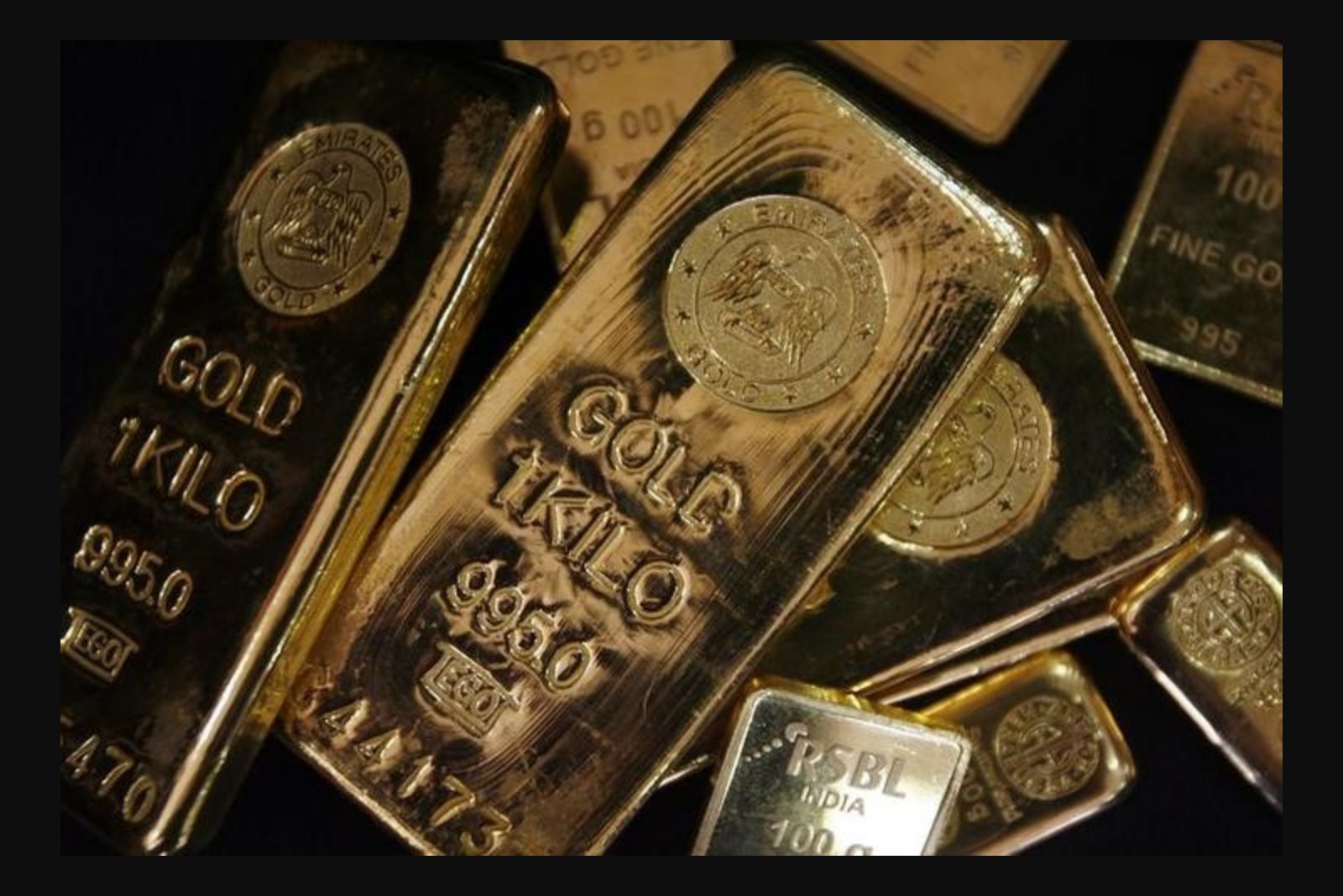
Gold prices climbed in early Asian trading on Wednesday as fresh signs of U.S.-Iran friction increased demand for safe-haven assets.
Spot gold rose 0.9% to $4,995.60 an ounce by 19:18 ET (00:18 GMT), while April gold futures gained 1.7% to $5,017.19/oz. The uptick followed a sharp rebound on Tuesday and ongoing dip-buying after last week saw prices fall by more than $1,000.
Other precious metals extended their recovery on Wednesday. Spot silver increased 0.5% to $85.5245/oz and spot platinum climbed 1.7% to $2,256.04/oz.
Geopolitical developments were central to the move higher. Overnight reports indicated that the U.S. shot down an Iranian drone in the Arabian Sea. Separately, Iranian gunboats were reported to have approached a U.S.-linked tanker in the Strait of Hormuz. Those incidents weighed on investor confidence and pushed traders toward hedges such as gold.
The two security events also complicated market reaction to announcements that Tehran and Washington plan to hold talks on Friday. Earlier news of the planned talks had eased some risk concerns and reduced demand for havens, but the recent incidents partially undercut that relief.
Beyond geopolitics, recent gold weakness had been driven primarily by shifts in monetary policy expectations. Markets had reacted to bets that U.S. President Donald Trump’s nomination for head of the Federal Reserve, Kevin Warsh, would be less dovish than hoped. That outlook helped push the dollar higher and applied pressure on precious metal prices. Gold was also exposed to profit-taking pressure after it surged to a near-record level of almost $5,600/oz last week.
Despite the pullback, gold remains substantially higher this year, trading up nearly 15% so far in 2026.
Analysts at ANZ noted in a recent briefing that the core drivers supporting gold prices remain intact - namely haven demand, physical buying, and central bank purchases.
The near-term outlook appears to hinge on developments in the Gulf and whether scheduled talks between Tehran and Washington proceed as planned. For now, a combination of geopolitical headlines and evolving expectations about U.S. monetary policy continues to push flows back into precious metals.