
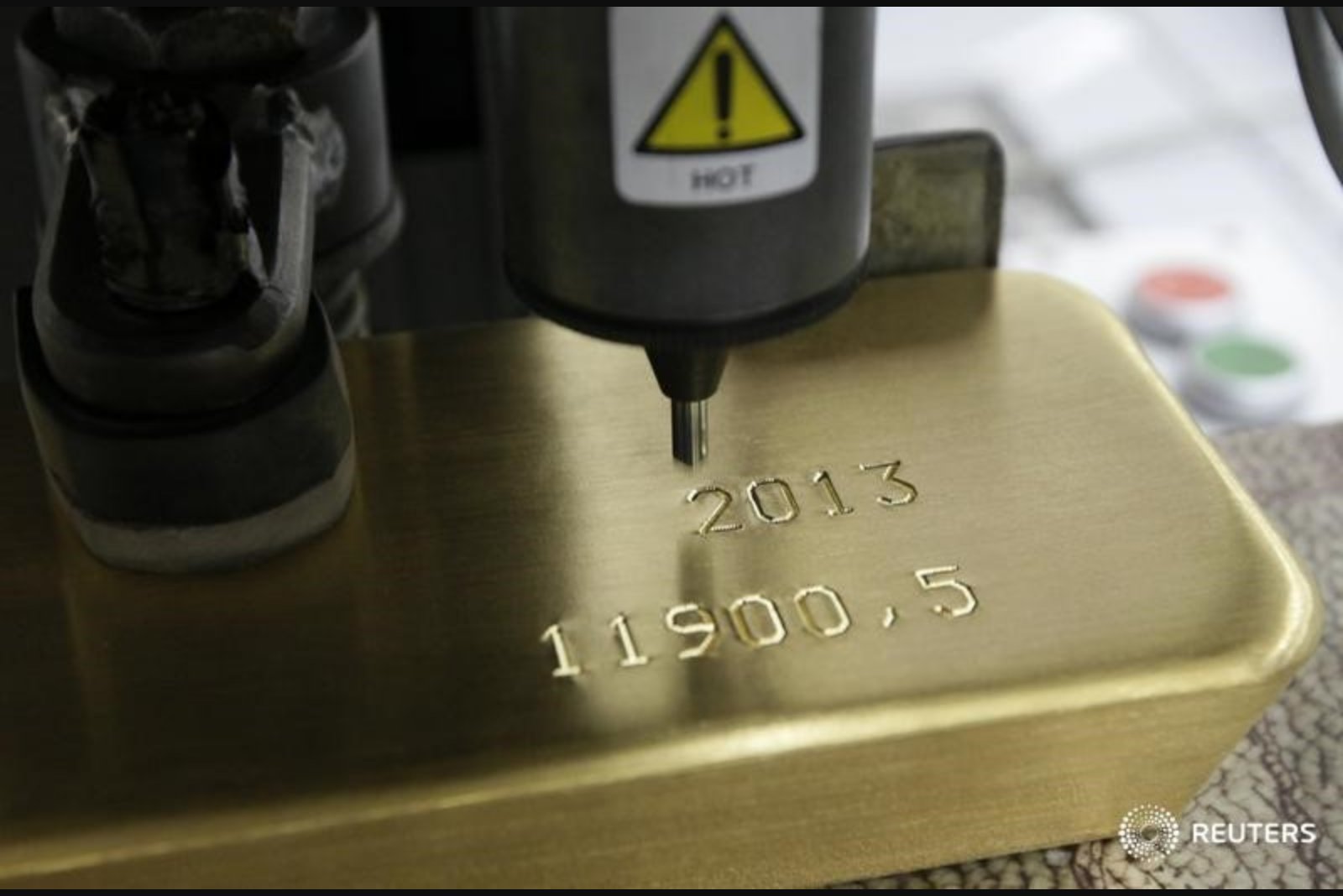
Gold moved slightly higher in Asian trading on Monday, following a turbulent week that saw the metal swing sharply as markets concentrated on the risk of a broader confrontation involving Iran. By 23:36 ET (03:36 GMT), spot gold had risen 0.4% to $4,509.51 an ounce, while gold futures also climbed 0.4% to $4,537.40 per ounce.
The market's rebound marks a recovery from last week's lows, when spot gold dropped to around $4,000 an ounce before bouncing close to $4,500 an ounce by Friday.
Other precious metals showed mixed moves: spot silver declined 0.9% to $69.0915 per ounce, while spot platinum rose 1.8% to $1,898.73 per ounce.
Technical bounce, but macro risks remain
Analysts at OCBC described the rebound as appearing largely technical. They pointed out that prices had fallen by as much as 20% from the levels observed when the Iran conflict began, and that the momentum indicators such as the relative strength index had recovered from oversold territory.
OCBC highlighted several resistance levels that market participants are watching for spot gold: $4,624 per ounce, $4,670 per ounce, and $4,850 per ounce. The analysts said that a "more durable recovery" would likely require prices to reclaim and hold above those thresholds; absent that, gold could remain on a softer footing.
OCBC also warned that elevated energy prices pose a risk to the outlook for gold. Higher energy costs could sustain inflationary pressures, which in turn may lift Treasury yields and create a more challenging interim environment for gold.
Geopolitical backdrop keeps markets on edge
Concerns about a potential escalation of the Iran war persisted after the Yemen-based, Iran-backed Houthi group launched strikes against Israel over the weekend. The Houthis have the capacity to strike in the Red Sea, which market participants see as the potential opening of a new front in the conflict.
Iran stated it was prepared for a ground invasion by the U.S., comments that followed reports late last week of Washington mobilizing thousands of troops to the Middle East. Meanwhile, President Donald Trump told reporters that negotiations with Iran were progressing and that a deal might be close, although he gave no explicit timeline and also warned of potential additional attacks against Tehran.
Last week, President Trump extended a deadline for attacks on Iran's energy infrastructure to early-April. Iranian officials have largely rejected the idea of direct talks with the U.S. since the war began in late-February.
Market implications
The combination of technical price action and macroeconomic headwinds leaves gold's near-term trajectory uncertain. The metal's modest gains on Monday reflect both a technical rebound after a sharp decline and persistent geopolitical risk that could yet push investors back toward safe-haven assets if escalation intensifies. At the same time, policymakers and traders will be watching energy prices and Treasury yields for signals about broader inflation and interest-rate pressures, both of which can influence bullion demand.
Until gold can reclaim and sustain levels above the resistance points identified by OCBC, the path to a sustained recovery remains unclear.