
Summary
Spot gold and other precious metals rose sharply in Asian trading after President Donald Trump said he would suspend military action against Iran for a two-week period. The move, announced on social media, came shortly before a widely watched 8:00 p.m. ET deadline and followed last-minute diplomacy that produced a conditional ceasefire tied to the reopening of the Strait, a key conduit for global crude flows.
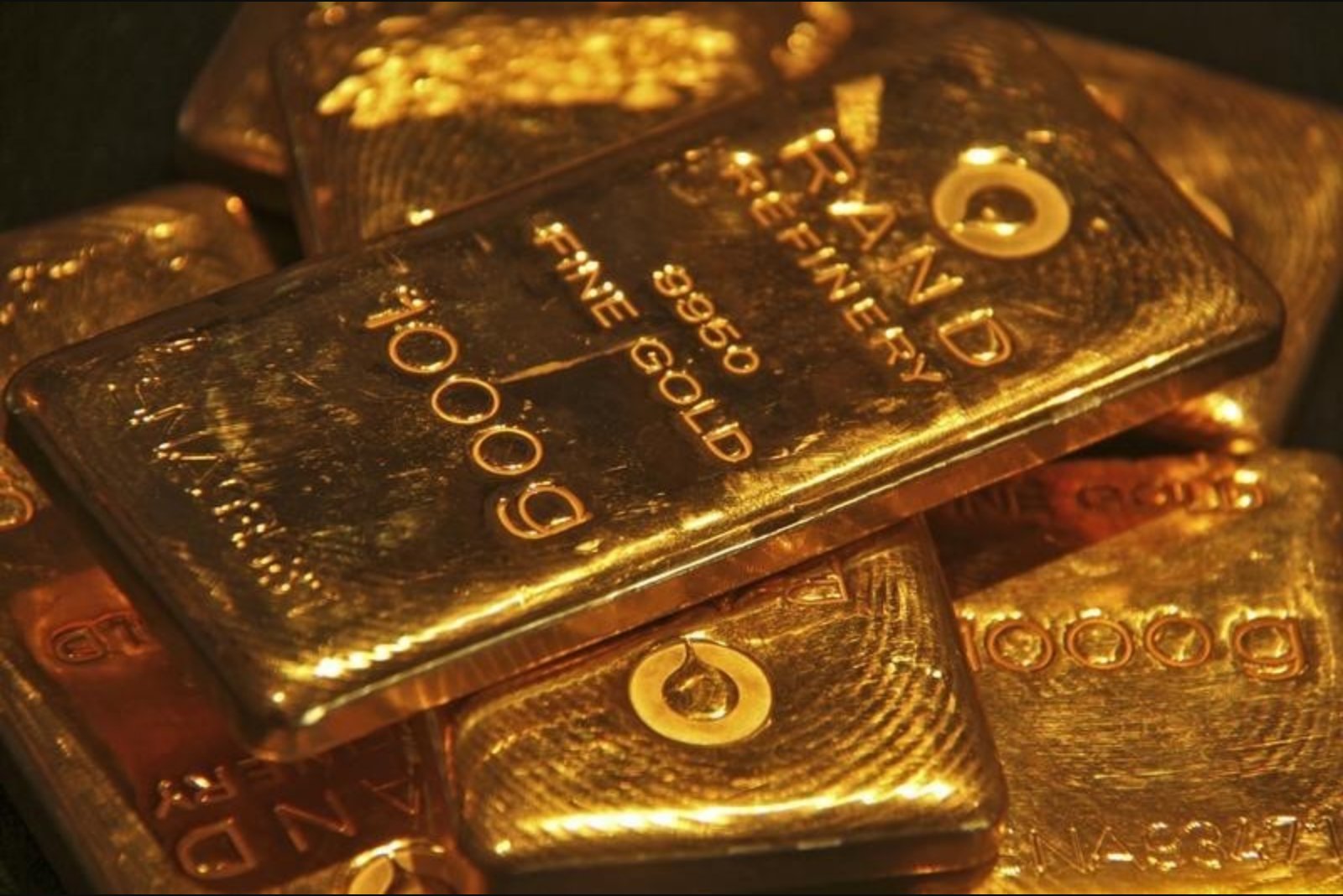
Spot gold increased 2.5% to $4,821.48 per ounce by 20:38 ET (00:38 GMT), marking its strongest price since March 19. U.S. Gold Futures also advanced 2.5% to $4,849.25 per ounce. Other precious metals registered notable gains: silver rose 4.7% to $76.44 per ounce, while platinum climbed 2.5% to $2,030.60 per ounce.
The rise in bullion prices came as the dollar weakened following the announcement of the temporary halt to planned U.S. strikes. Trump said in a social media post that he would suspend military action against Iran for two weeks, adding that the U.S. had already achieved its core military objectives. The statement arrived less than two hours before the 8:00 p.m. ET deadline that market participants had been watching for a potential major escalation.
Earlier in the day the president had warned that “a whole civilization will die tonight” if Iran failed to comply, language that highlighted the risks investors were pricing into markets ahead of the deadline.
The ceasefire was brokered by Pakistan after last-minute diplomatic efforts. It is conditional on Iran ensuring the safe reopening of the Strait, which the article notes is a key artery for roughly 20% of global oil flows. Iran also indicated a conditional willingness to de-escalate, saying safe passage through the Strait would be possible during the ceasefire period provided hostilities were halted and vessels coordinated with Iranian authorities.
Markets responded quickly: oil prices plunged by more than 15%, risk assets rallied, and the dollar came under pressure. The US Dollar Index fell nearly 1% in Asian trade on Wednesday, a move that typically makes bullion less expensive for investors holding other currencies and supported the metal's price advance.
Despite gold's traditional role as a safe-haven asset, the metal had faced pressure in the prior month as oil prices surged sharply, stoking concerns about inflation and increasing the prospect that the U.S. Federal Reserve could maintain higher interest rates for longer. Market participants were also awaiting the U.S. March consumer price index report due on Friday, which is expected to provide the first clear indication of how the recent energy-price spike is feeding into broader inflation measures.
Economists expect headline inflation to have accelerated on a monthly basis, driven largely by higher fuel costs, a development that market commentators say could complicate the outlook for Federal Reserve policy.
Key points
- Precious metals rallied: spot gold rose 2.5% to $4,821.48/oz, U.S. Gold Futures to $4,849.25/oz; silver and platinum also posted gains.
- Diplomatic breakthrough: President Trump announced a two-week suspension of military action, with the ceasefire conditioned on reopening the Strait and brokered by Pakistan.
- Market moves: oil plunged over 15% and the US Dollar Index fell nearly 1% in Asian trade, affecting commodity and currency markets.
Risks and uncertainties
- Ceasefire conditions - The halt to hostilities is conditional on Iran ensuring the Strait's safe reopening, leaving scope for renewed disruption if conditions are not met; this affects oil markets and energy-sensitive sectors.
- Inflation readings - The pending U.S. March CPI report is expected to reflect higher fuel costs, which could influence Federal Reserve policy and in turn bullion and fixed-income markets.
- Market sensitivity - Rapid moves in oil and the dollar highlight volatility in commodity and currency markets, creating uncertainty for risk assets and investors seeking safe havens.