
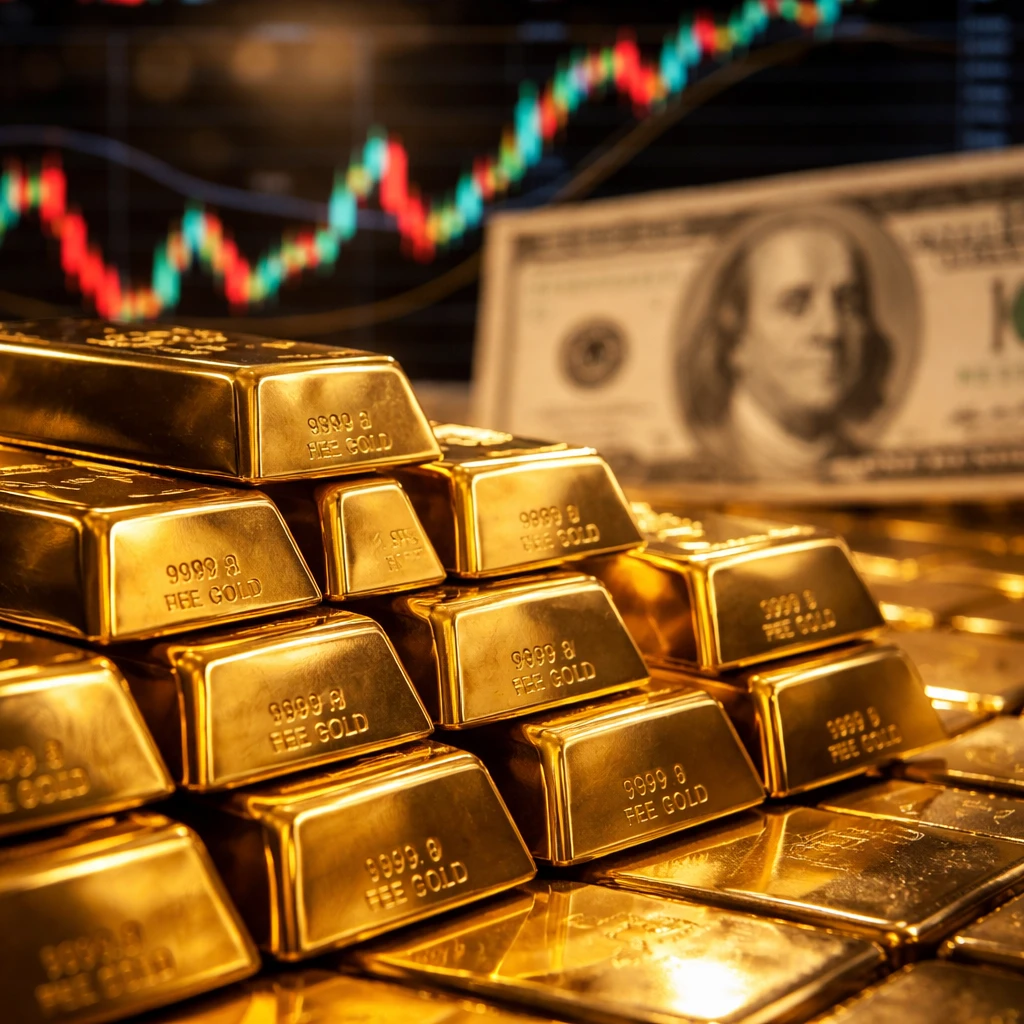
Gold prices surged to a new record in Asian trading on Friday, closing in on the psychological $5,000 per ounce threshold. This advance was largely propelled by heightened geopolitical unrest worldwide and a softened US dollar, both of which buoyed the appeal of precious metals as secure investments.
Alongside gold's gains, silver and platinum prices also reached historical highs during the session. However, following the announcement of a trade arrangement between the United States and Greenland, the markets retrenched somewhat. The specifics of the deal remain vague, particularly concerning the future sovereignty of the Danish territory, leaving market participants cautious.
Spot gold climbed as much as 0.7% to hit an all-time peak of $4,967.48 per ounce. Meanwhile, February gold futures jumped more than 1% to $4,969.69 per ounce. Silver's spot price catapulted nearly 3% to a record $99.0275 per ounce, and platinum prices surged close to 1%, reaching $2,692.31 per ounce.
The year 2026 has seen exceptional performance from metal markets. Persistent geopolitical tensions have fueled a strong shift into tangible, low-risk assets. An early-year US intervention in Venezuela, coupled with President Donald Trump's assertive comments regarding Greenland, have intensified demand for precious metals as a safety net.
Year-to-date, spot gold has appreciated approximately 15%, while silver gained nearly 39%, and platinum increased by about 21%. These gains underline the metals' role as hedges amid current uncertainties.
A softer US dollar has also supported metal prices. Ambiguities over the US economic outlook have sparked speculation that the Federal Reserve may reduce interest rates later this year. The central bank's meeting scheduled for next week is expected to leave rates unchanged, however.
President Trump's critiques of the Federal Reserve have further stimulated demand for safe havens. Concurrently, concerns about fiscal deterioration in developed economies, notably Japan, have weighed on government bonds of both Japan and the US, prompting investors to reallocate funds into gold.