
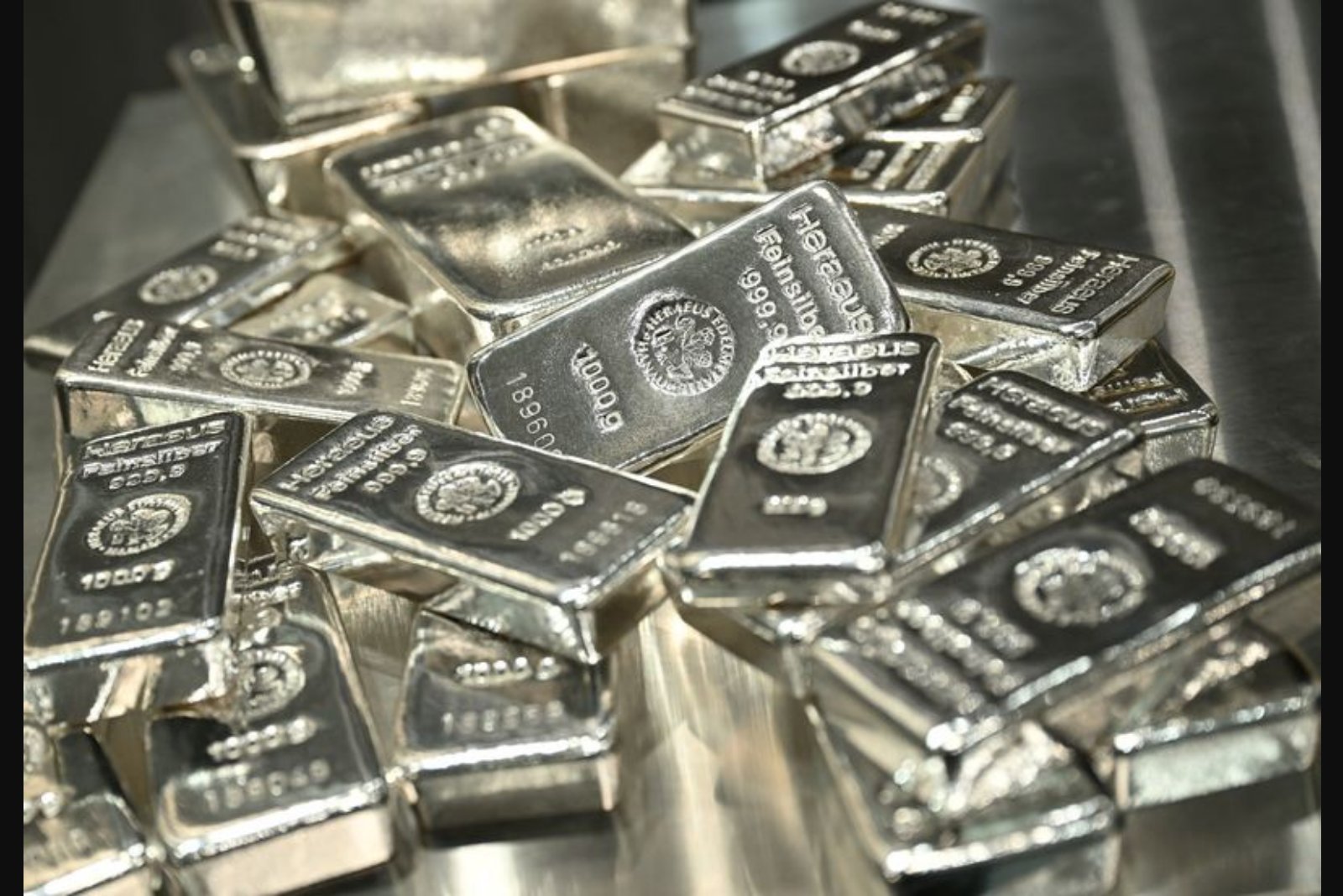
The German finance ministry said on Monday it is reducing the silver content in two of the country's limited-edition euro collector coins in response to sharp fluctuations in the precious metal's price and a desire to curb speculative activity.
According to the ministry's statement posted to social media, the adjustments affect the 35-euro and 50-euro commemorative coins. Each will contain less silver and a greater proportion of copper, and both will weigh slightly less after the change.
The ministry described the move as intended to "prevent the coins from becoming the subject of speculation regarding precious metal price trends or from their issuance becoming impermissible for budgetary reasons." The government emphasized that these collector coins mark special occasions and are not intended for everyday transactions.
One concrete example cited by the ministry is the 35-euro coin planned for next year, which will honour the 150th birthday of German author Hermann Hesse. That coin will now contain 46% less silver than previously planned, and its overall weight will drop to 17 grams from 18 grams.
The decision comes against a backdrop of pronounced volatility in silver markets. Retail investor activity and momentum-driven buying, coupled with tightness in the physical market, helped push silver's price up by 147% in 2025. The metal reached an all-time high of $121.6 per troy ounce on January 29 before a subsequent slump triggered by technical selling and stop-loss orders. On Monday, silver was last quoted at $71 per troy ounce.
The ministry's announcement links the composition change directly to those price swings rather than to changes in commemorative design or purpose. By altering metal content, officials aim to reduce the coins' attractiveness as a vehicle for trading on precious metal price trends, and to avoid situations where issuing the coins could conflict with budgetary rules.
Silver is used across several end markets, including jewellery, electronics and solar panels, in addition to investment demand. The article reporting the ministry's decision also noted that recent geopolitical developments - specifically the Iran war over the past month - have exerted downward pressure on the prices of silver, gold and other precious metals. Investors have reacted by scaling back bets on interest rate cuts and reassessing the outlook for global growth, contributing to shifts in precious metal valuations.
The changes to the 35- and 50-euro collector coins illustrate an intersection of commodity price dynamics, retail investor behaviour and public-sector issuance decisions. The ministry framed the move as preventative, focused on keeping commemorative coins distinct from instruments of investment speculation and ensuring their issuance remains compatible with budgetary constraints.
Key details:
- Two German commemorative coins - the 35-euro and 50-euro pieces - will have reduced silver content and increased copper content.
- The 35-euro coin scheduled for next year will contain 46% less silver and will weigh 17 grams instead of 18 grams.
- The ministry's stated aim is to limit speculation tied to precious metal price movements and to avoid budgetary issues arising from issuance.