
Energy markets spiked after Iran closed the Strait of Hormuz in reaction to U.S.-Israeli attacks, prompting a string of policy responses from Group of Seven and European Union officials seeking to limit economic fallout. Finance and energy ministers from the G7 - the United States, Canada, Japan, Britain, France, Germany and Italy - scheduled a teleconference to align their actions, while EU energy ministers planned a separate discussion the following day.
Officials face a stark policy dilemma. Elevated energy costs feed inflation and weigh on growth, yet plugging price gaps through public spending strains budgets and can mute market price signals that ordinarily incentivize lower demand. Governments are therefore pursuing a variety of measures that aim to balance short-term relief with fiscal prudence.
Coordinated strategic reserves release
At the global level, the International Energy Agency agreed to an unprecedented release of 400 million barrels from strategic stockpiles. All 32 IEA member countries backed the move, which is the sixth coordinated release since the agency was established in the 1970s. The United States will contribute the largest share, providing 172 million barrels, while Canada will release 23.6 million barrels.
Country-level measures
- Germany - Berlin opted not to introduce price subsidies. Instead it moved to limit intra-day price swings by permitting petrol stations to raise pump prices only once per day at midday (1100 GMT). Stations retain the freedom to reduce prices at any time. Violations of the rule may carry fines of up to 100,000 euros.
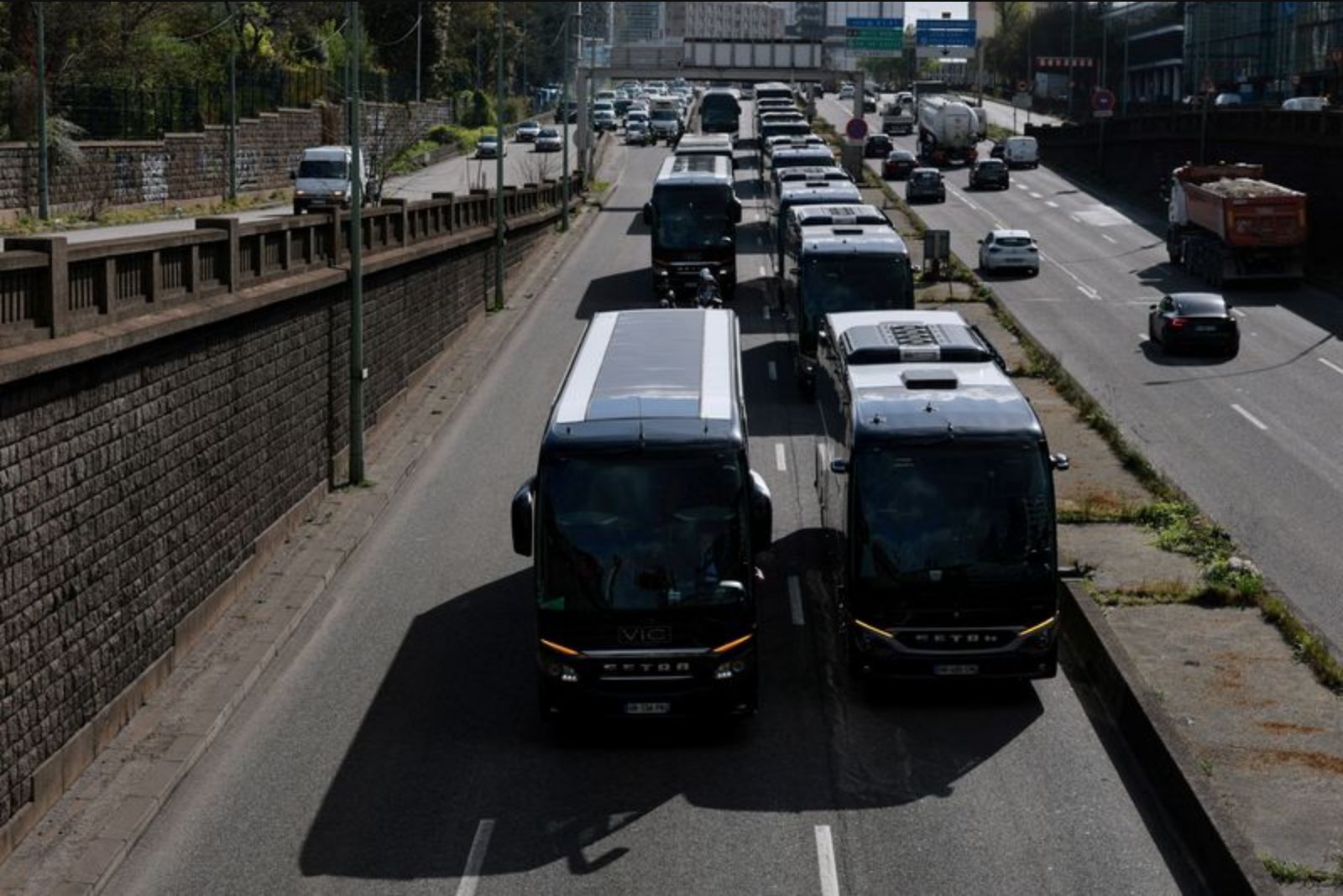
- France - The French government is targeting support to sectors judged most in need, avoiding broad energy price caps that previously strained public finances. For April it announced in excess of 70 million euros in fuel subsidies for the transport, farming and fishing industries, and a one-off 150 euro payment to 3.8 million low-income households to help cover energy bills.
- United Kingdom - Most British households remain insulated from immediate increases in heating and electricity costs until July because of regulated tariffs, though the government has launched a 53-million-pound package to assist households that use heating oil. Finance minister Rachel Reeves has suggested that targeted assistance is under consideration rather than sweeping cost-of-living measures. Prime Minister Keir Starmer said the government is looking at expanding the competition regulator's powers to address price gouging and profiteering following the jump in oil and fuel prices.
- Italy - The government allocated approximately 417.4 million euros to reduce excise duties on petrol and diesel until April 7. Industry groups have said prices have shown little movement so far and are pressing for more effective measures.
- Japan - Tokyo is deploying 800 billion yen of reserve funds to subsidize gasoline, with the aim of keeping average retail prices near 170 yen per litre. Authorities estimate the measure could cost up to 300 billion yen per month. Japanese Finance Minister Satsuki Katayama stated the government is prepared to act "on all fronts," but she did not address whether Japan might intervene directly in the crude oil futures market.
Exchange reference: ($1 = 0.7559 pounds)
The measures outlined by G7 countries range from strategic supply interventions to sector-specific subsidies and short-term tax relief. Policymakers will need to weigh how long to maintain these steps and how to limit fiscal exposure while still cushioning households, critical industries and freight-dependent activities from sharply higher energy costs.
As ministers coordinate their response, the underlying tension remains: targeted relief can help vulnerable sectors such as transport, farming, fishing and households that use heating oil, but broad caps or prolonged subsidies can impair market signals that normally encourage demand reduction and efficient allocation of fuel resources.