
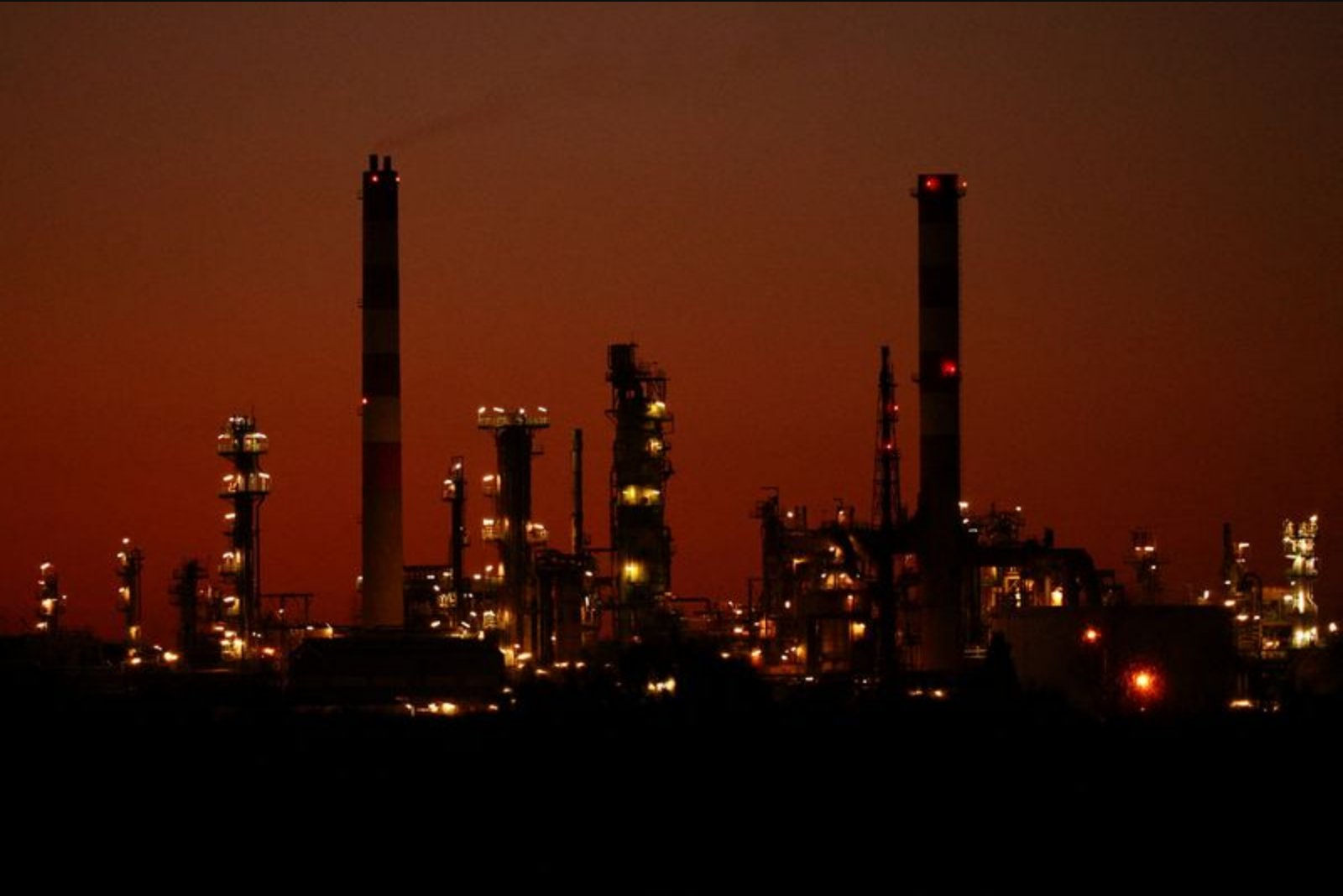
PARIS, March 23 - The French Energy Ministry has opened a review into whether the country's five oil refineries can increase production capacity to help blunt the impact of recent disruptions tied to the conflict in Iran on domestic energy prices.
Sources at the ministry said officials are focusing specifically on fuel and diesel output as part of the assessment. The inquiry is intended to identify whether any near-term changes in refinery operations could ease the current upward pressure on prices.
"There is no risk of supply disruption. However, there is market tension, particularly evident in the sharper rise in diesel prices compared to gasoline prices," the ministry told reporters.
The ministry noted that, prior to the onset of the war, France imported around 50% of the diesel it consumed. That reliance on imports is a key factor in the ministry's interest in domestic refinery capacity amid the present market stress.
Price and supply conditions for crude oil and refined products have become highly volatile since Iran effectively closed the strategic Strait of Hormuz. The ministry's statement links this development to a response by Iran to strikes by the U.S. and Israel. The Strait of Hormuz is a major transit route, through which roughly one-fifth of global oil and liquefied natural gas flows, and disruptions there have tightened markets.
Officials framed the current action as an evaluation rather than a commitment to immediate production changes, emphasizing that at this stage the priority is to determine whether existing refinery infrastructure can be adjusted to respond to market tension while maintaining supply security.
The review is being conducted against a backdrop of already volatile international crude and product markets, with diesel prices outpacing gasoline. The ministry's public messaging has sought to reassure consumers and market participants that, despite price moves, there is no indication of supply interruption from French refineries at present.
How the review will evolve - including its timeline and any operational steps that might follow - was not specified in the ministry's statement. The ministry limited its comments to the scope of the assessment and to the observation that diesel market tension is currently more pronounced than that for gasoline.